Garden Restoration
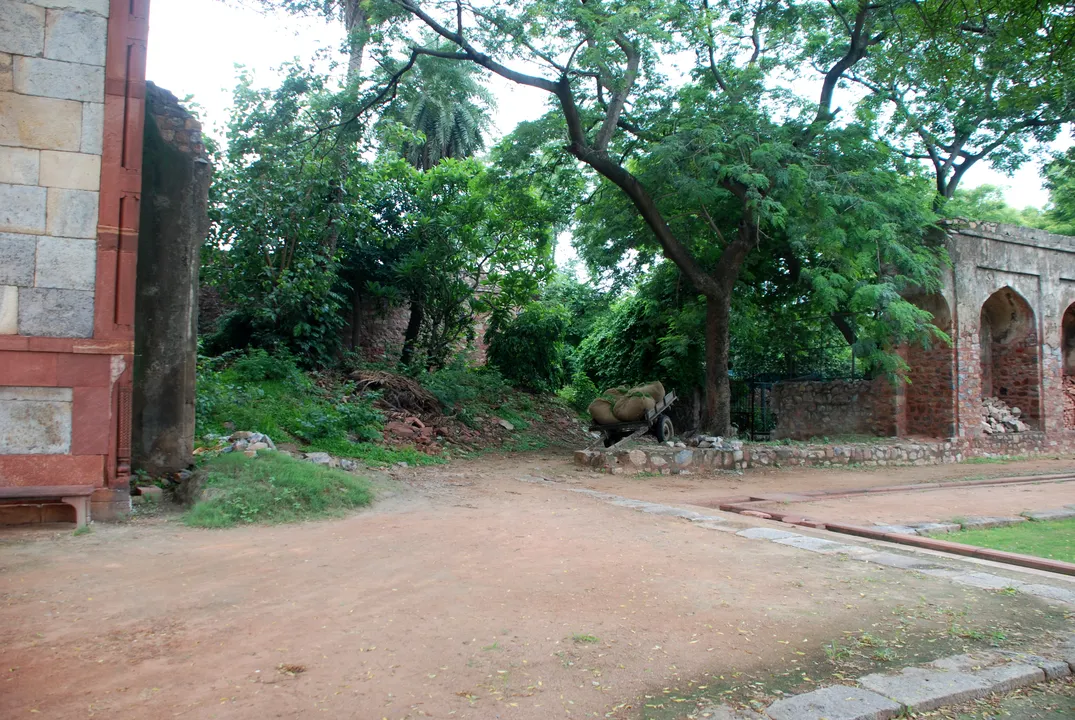
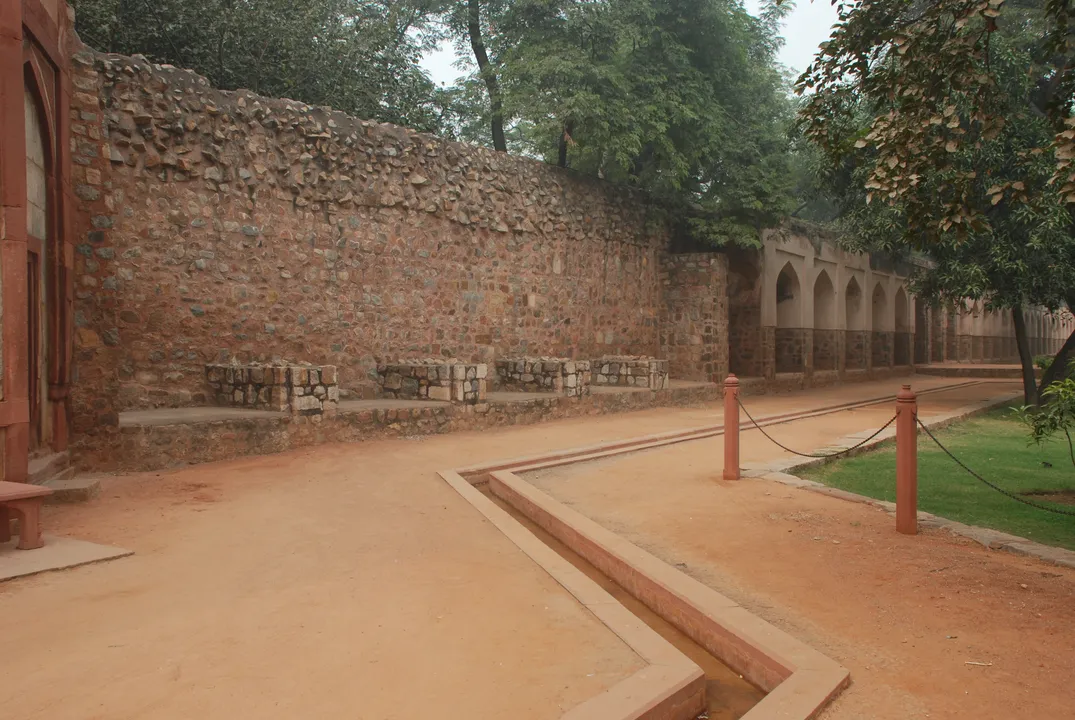
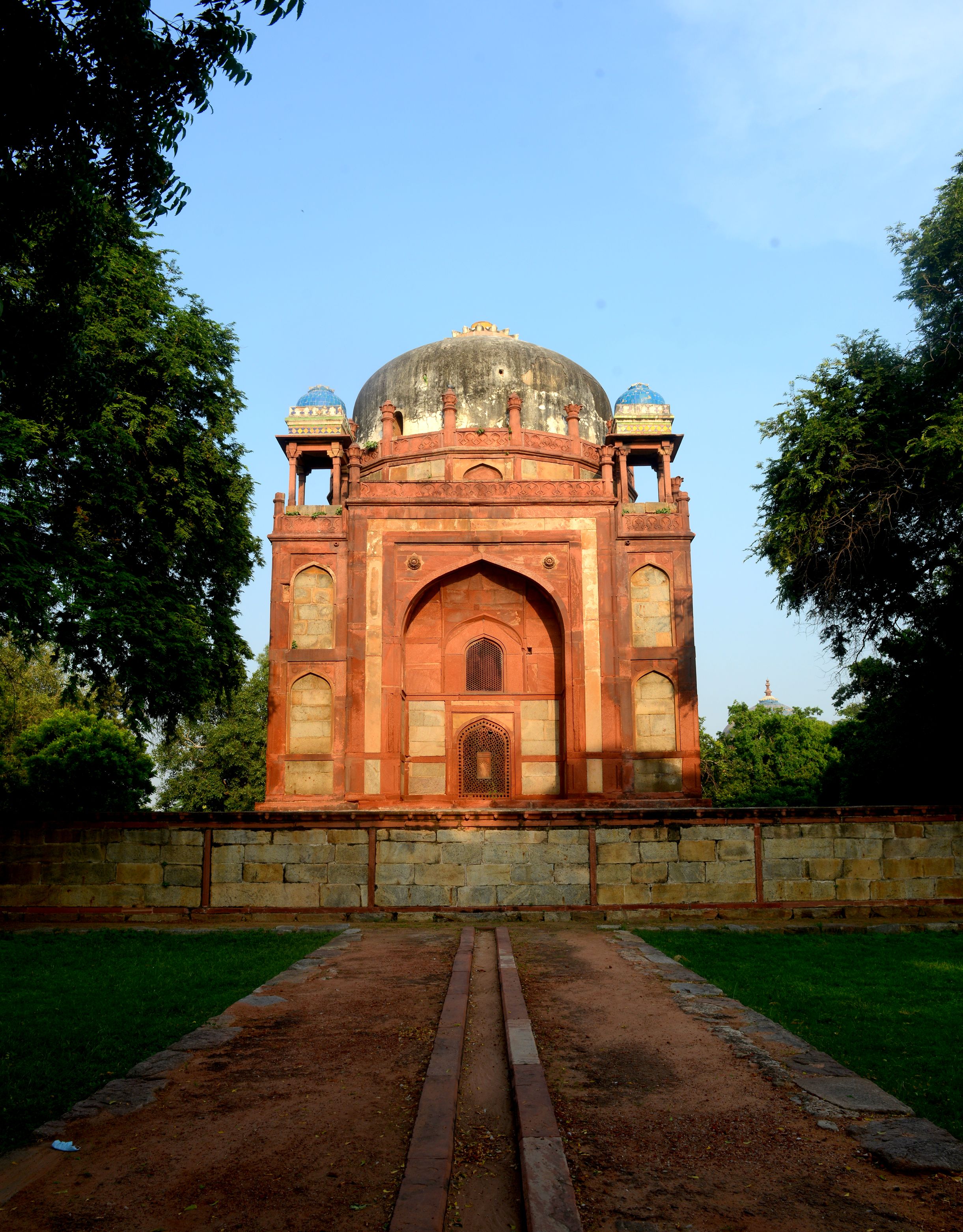
The garden restoration was undertaken by AKTC during 1999–2002 as part of His Highness the Aga Khan’s
gift on the 50th anniversary of India’s independence.
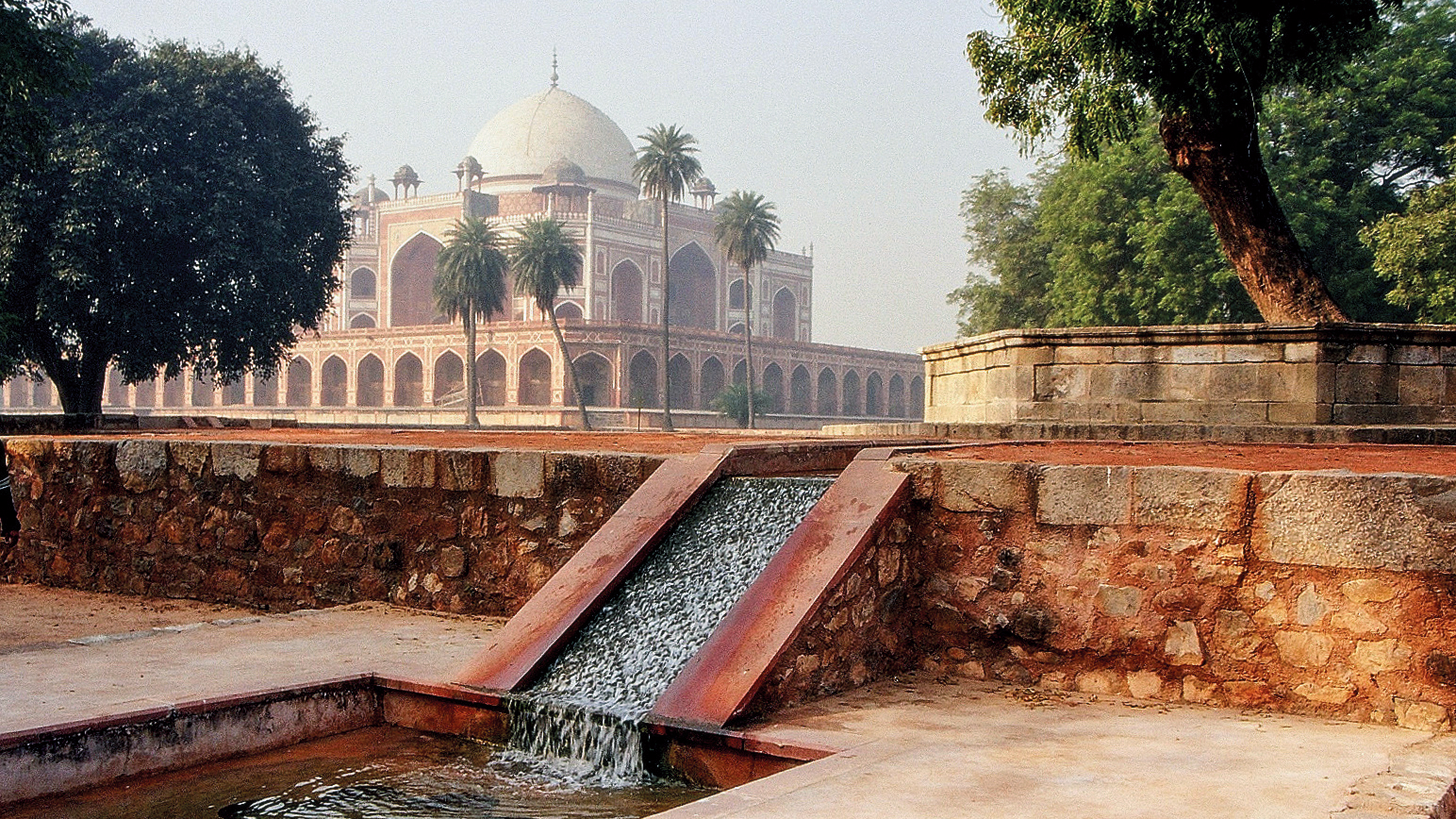
Over 3 km of sandstone was hand-chiselled for the channels, the beds of the tanks and channels
repaired, and the fountains and waterfalls restored.
The garden was replanted with flora described in Mughal texts.
Along the enclosure wall, tall trees like mango and neem were planted, and on the four corners of the
gardens citrus were planted, and intersections of pathways had groves of flowering shrubs like
pomegranate, hibiscus, harsingar, motia and mogra.
The Government of India commemorated the successful garden restoration by issuing a postage stamp in
2008.
Humayun’s Tomb’s Conservation
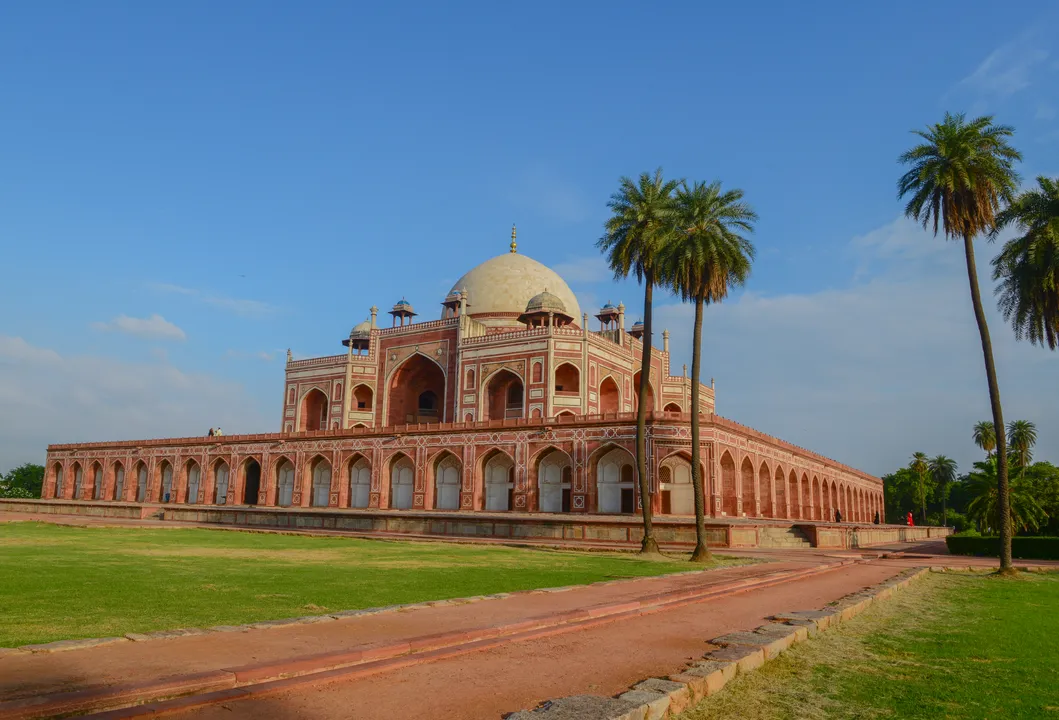
Humayun’s mausoleum’s conservation was undertaken by AKTC in partnership with the ASI during 2007-13,
with support from the Tata Trusts.
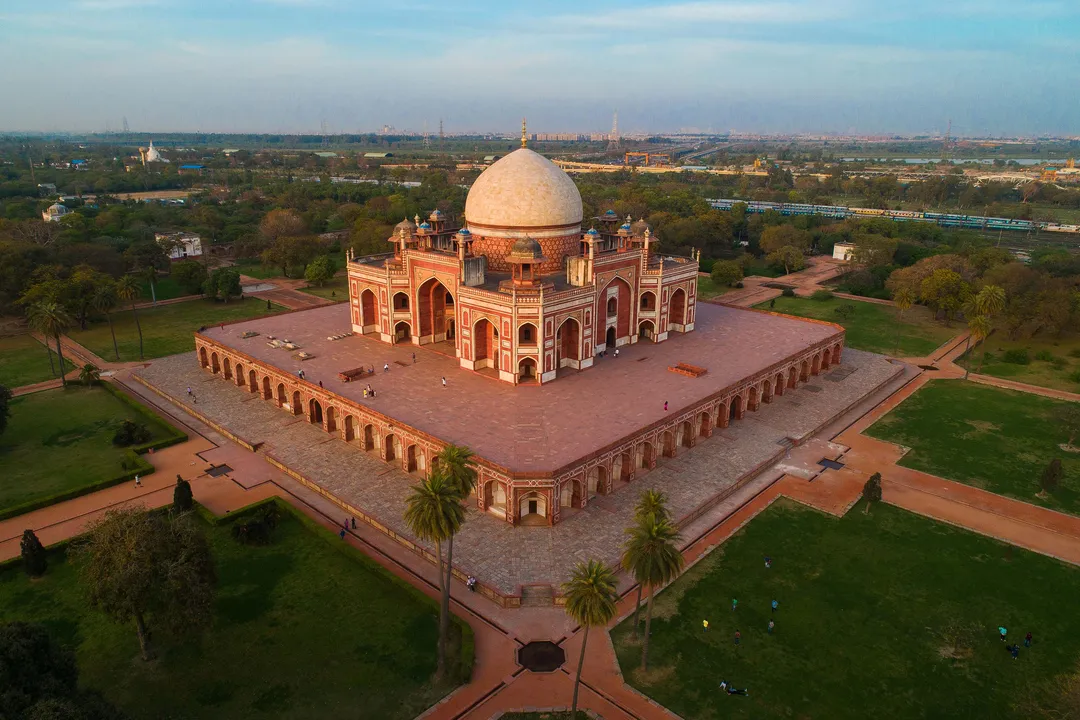
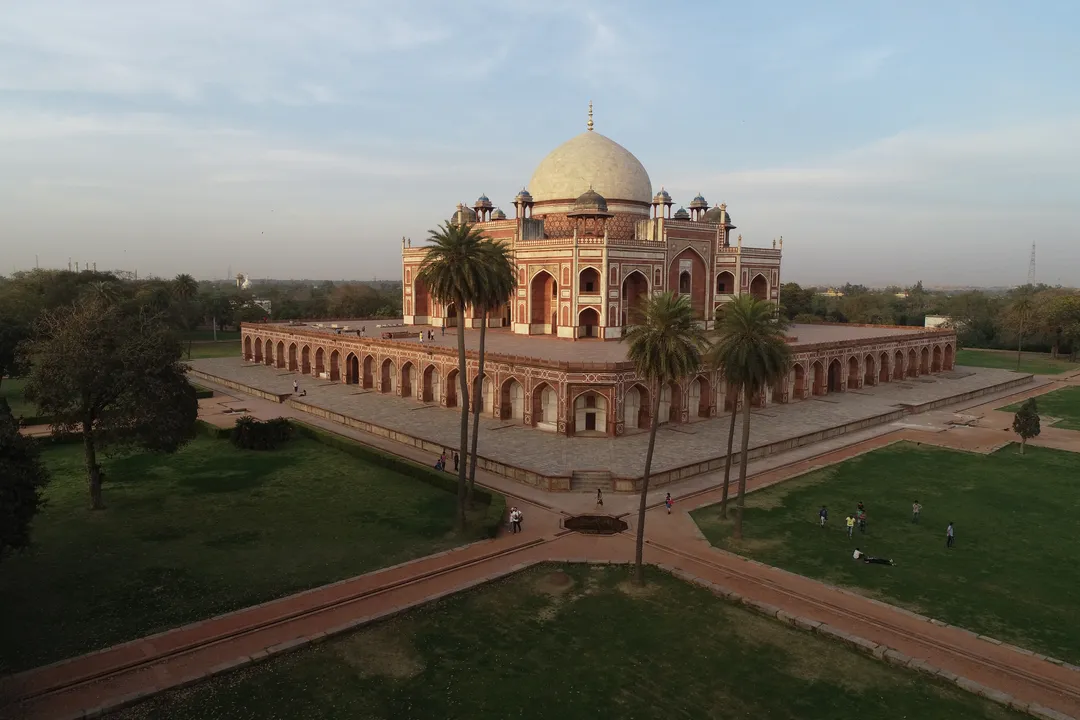
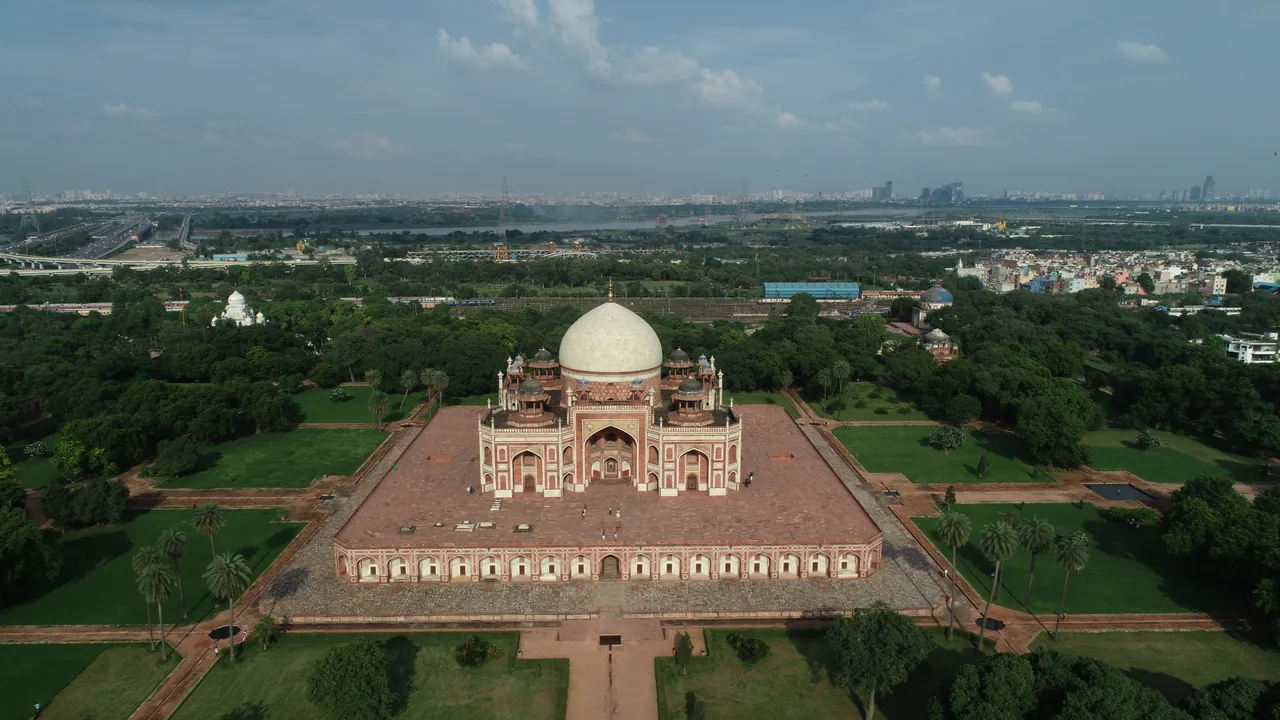
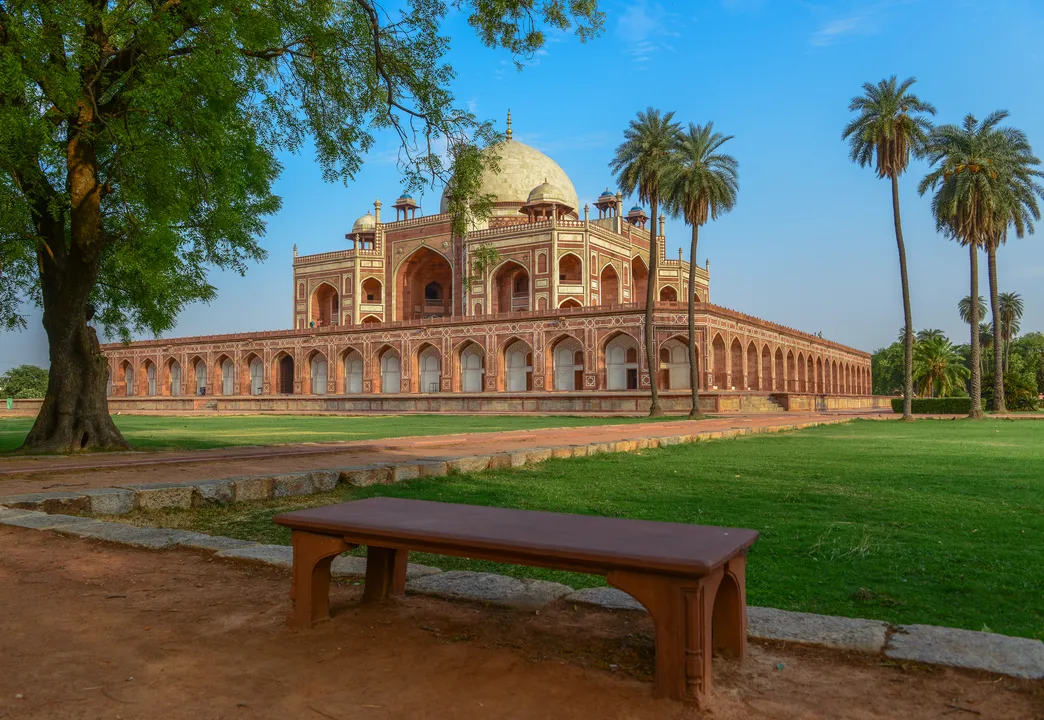
The conservation works have restored the architectural integrity and the original Mughal splendour.
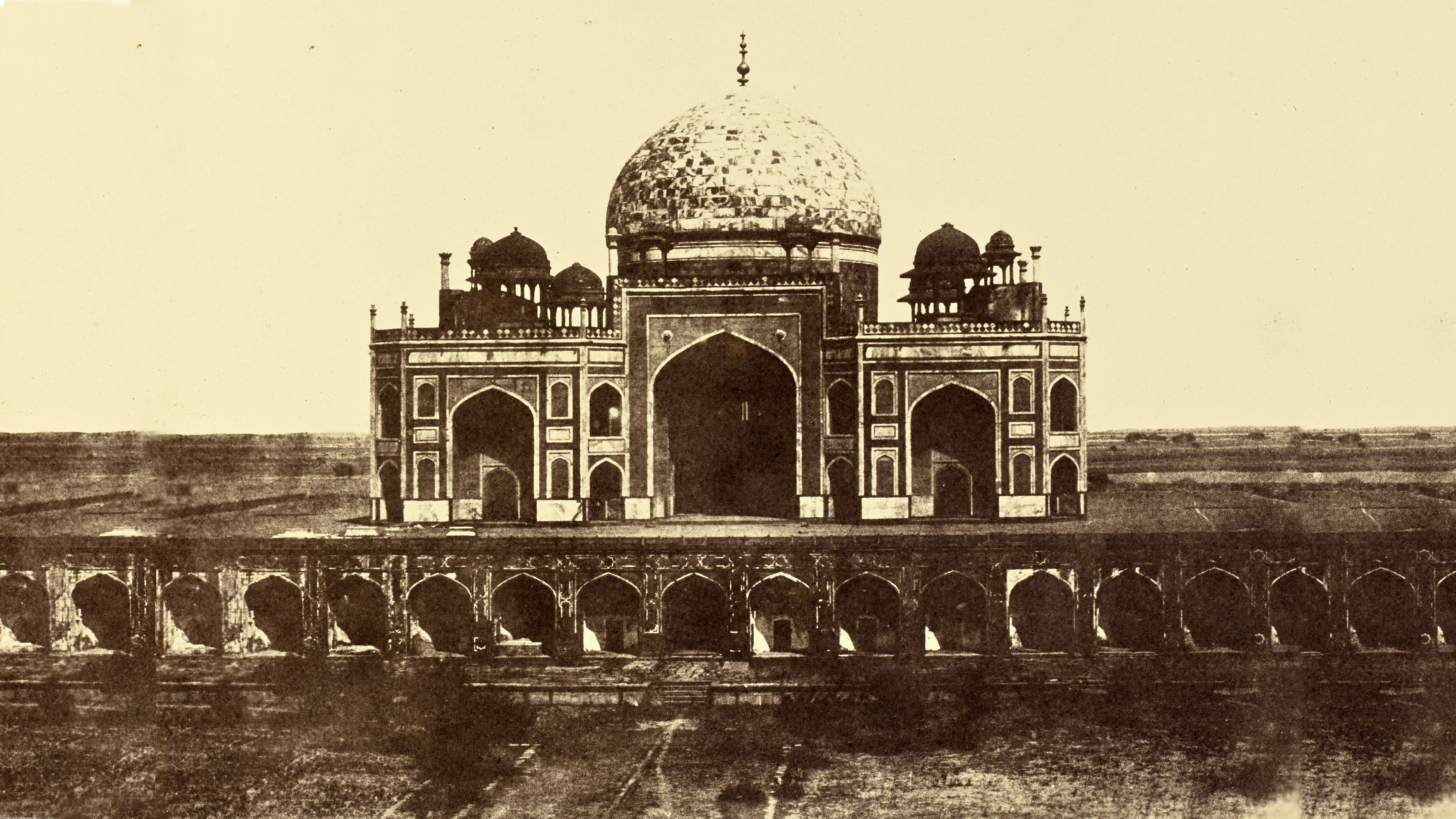
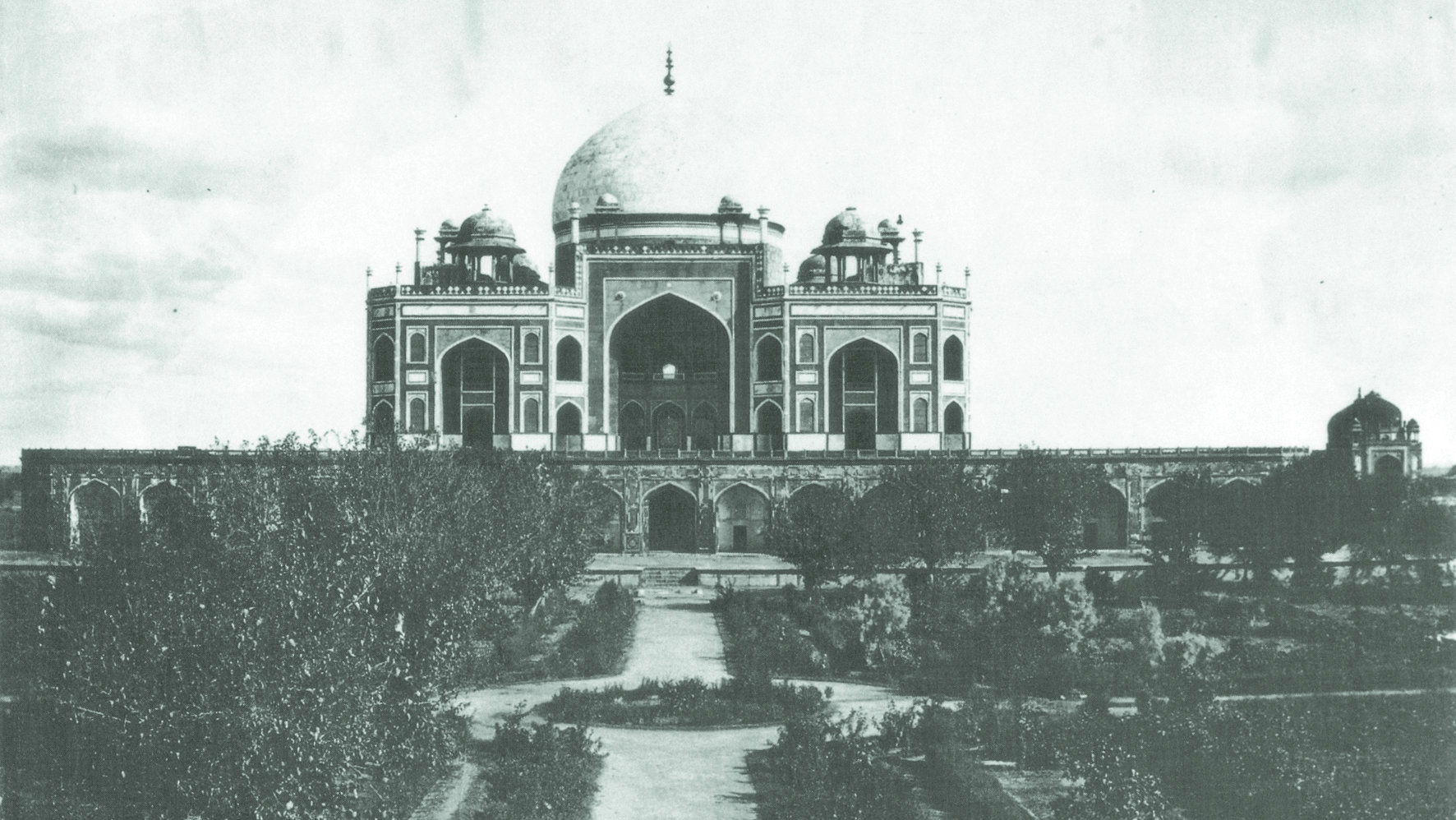
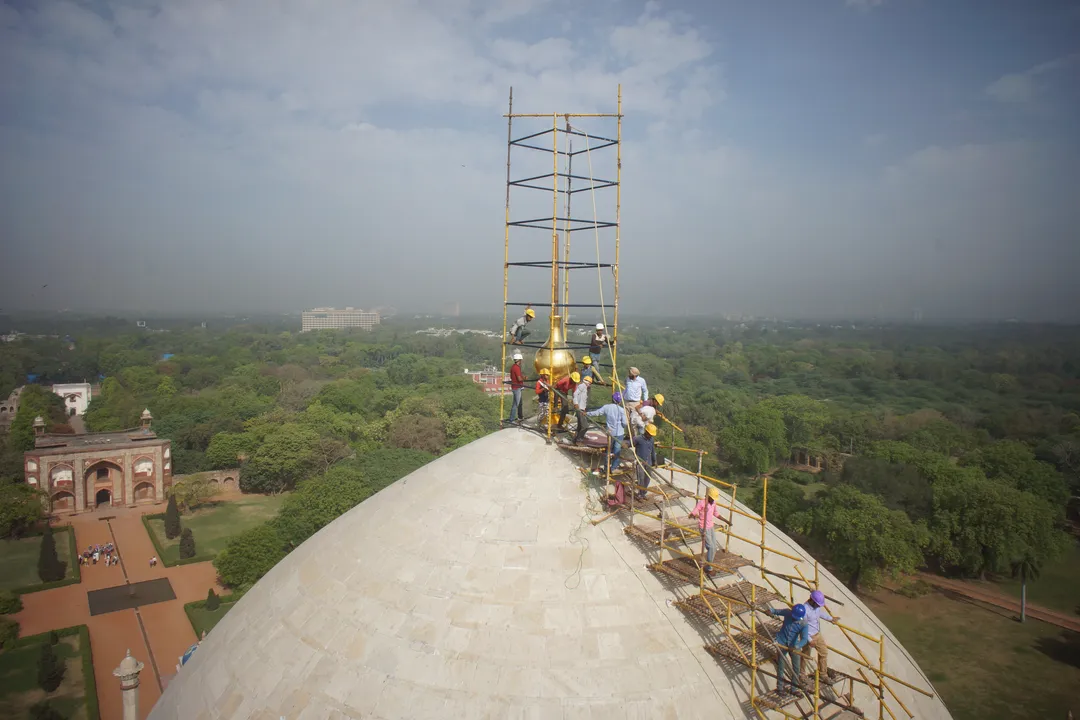
On 31-May 2014, one of the worst sandstorms hits Humayun's Tomb.
The 22 feet tall wooden log holding the finial in place had been weakened due to years of water
percolation, and eventually succumbs to the unrelenting winds.
The finial crashes 70 feet onto the roof of the Humayun’s Tomb.
Following the damage, it was considered too valuable and fragile to remain on the dome.
The exact replica was restored to the dome which required a 22 feet-long log of teak wood, specially
manufactured copper sheets of 99.4 percent purity, the application of eight layers of gold leaf
-provided by Titan Company.
The original finial has been repaired and installed at the Humayun’s World Heritage Site Museum.
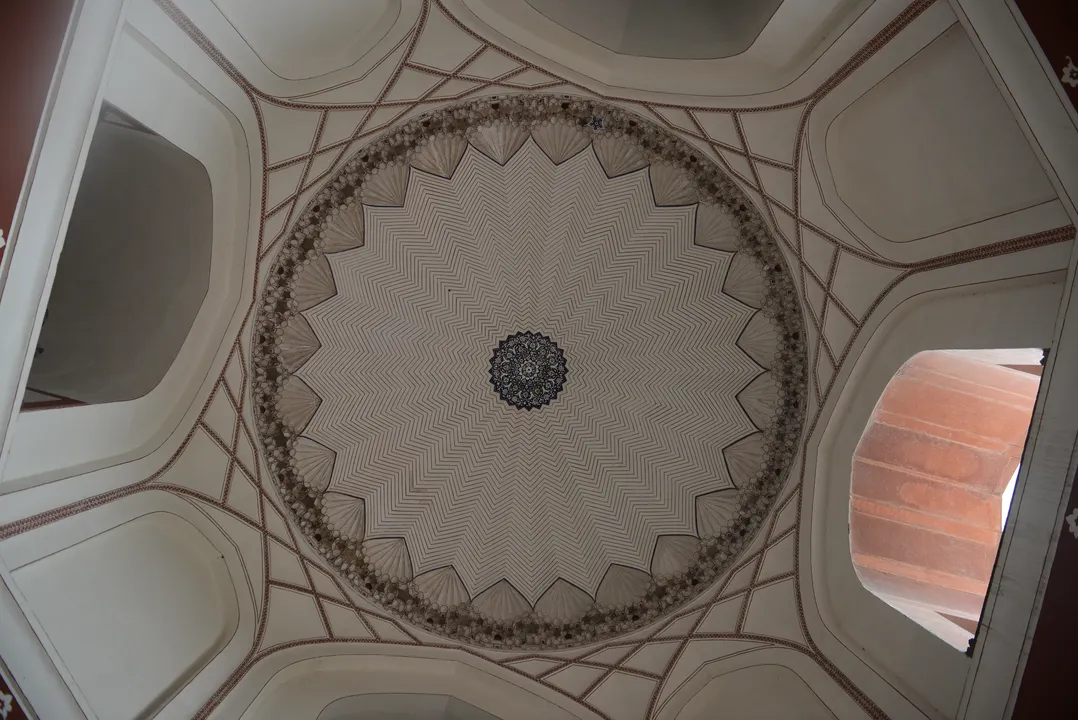
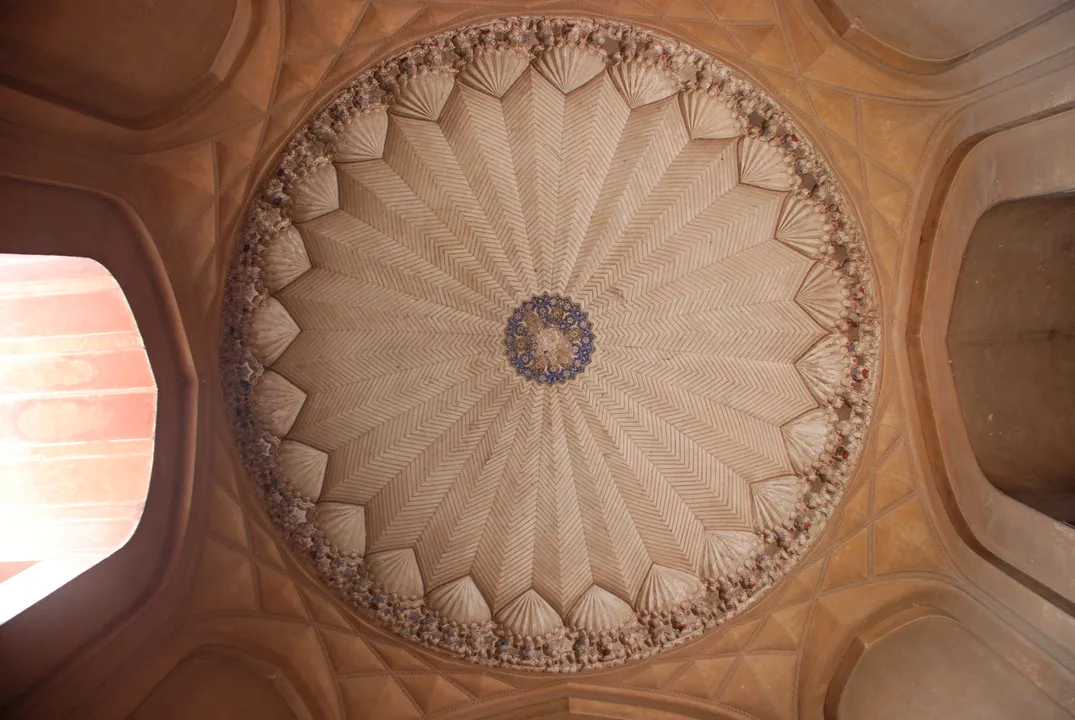
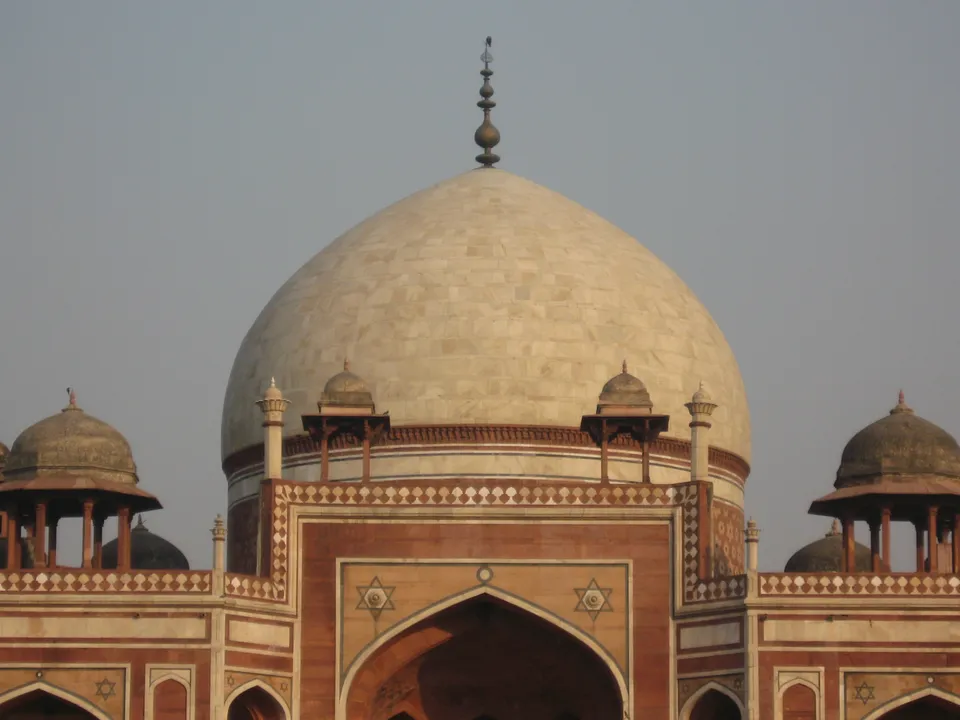
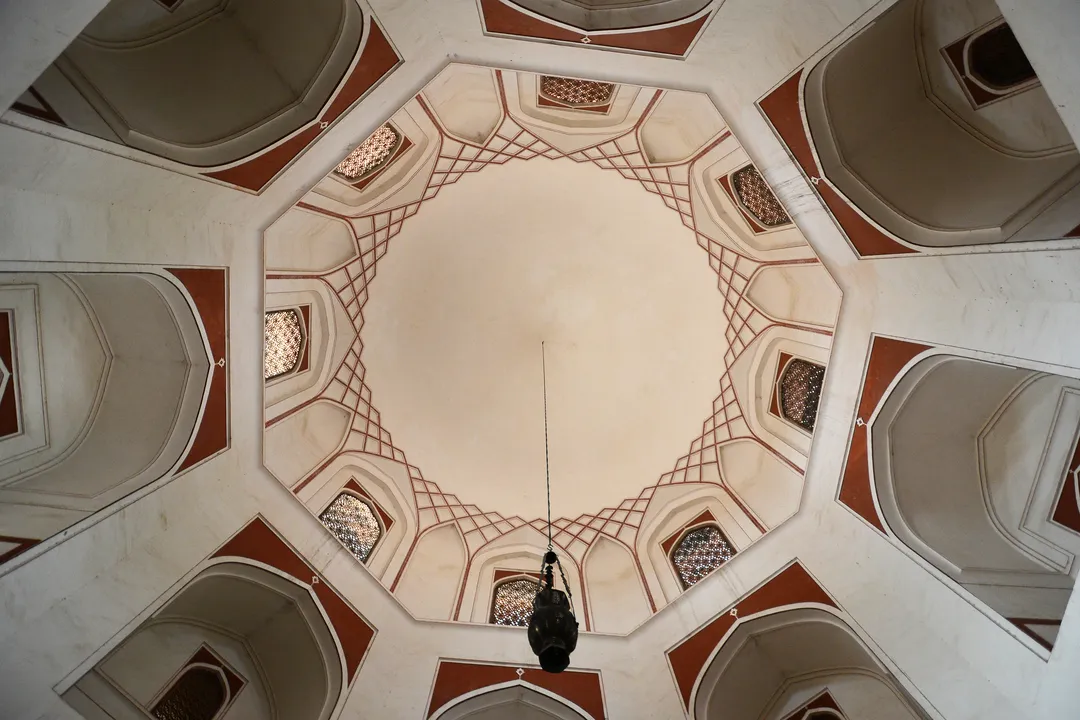
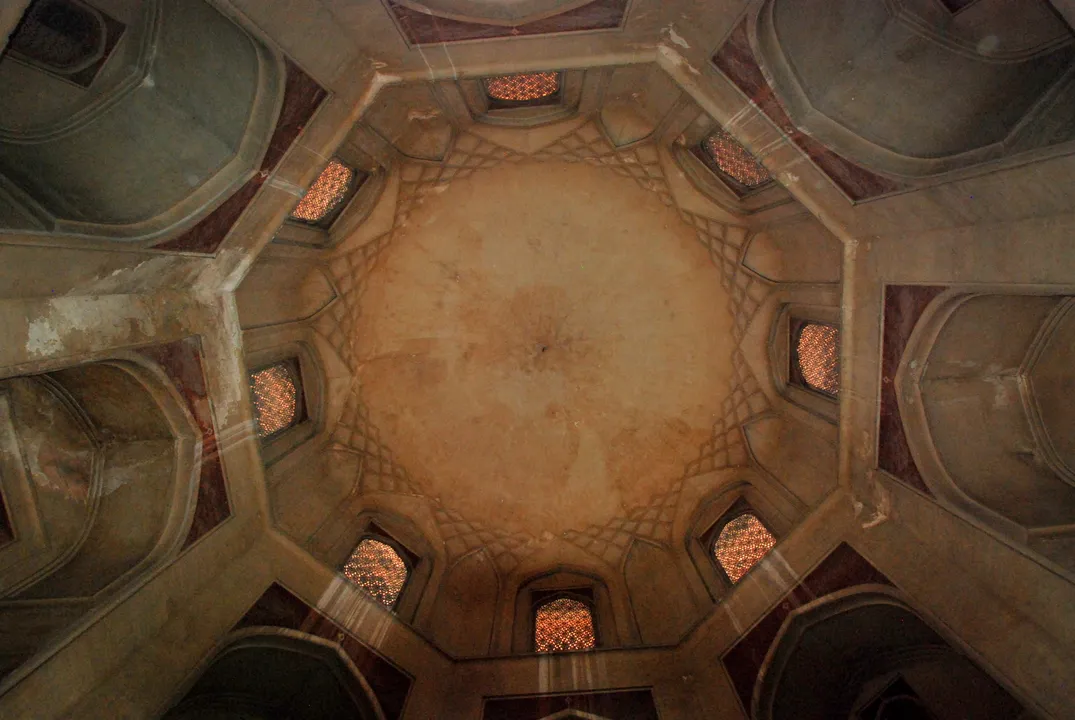
Dome & Drum
Using fine hand tools, craftsmen chiselled out the cement mortar from the stone joints in the dome
before using traditional lime mortar to fill the stone joints.
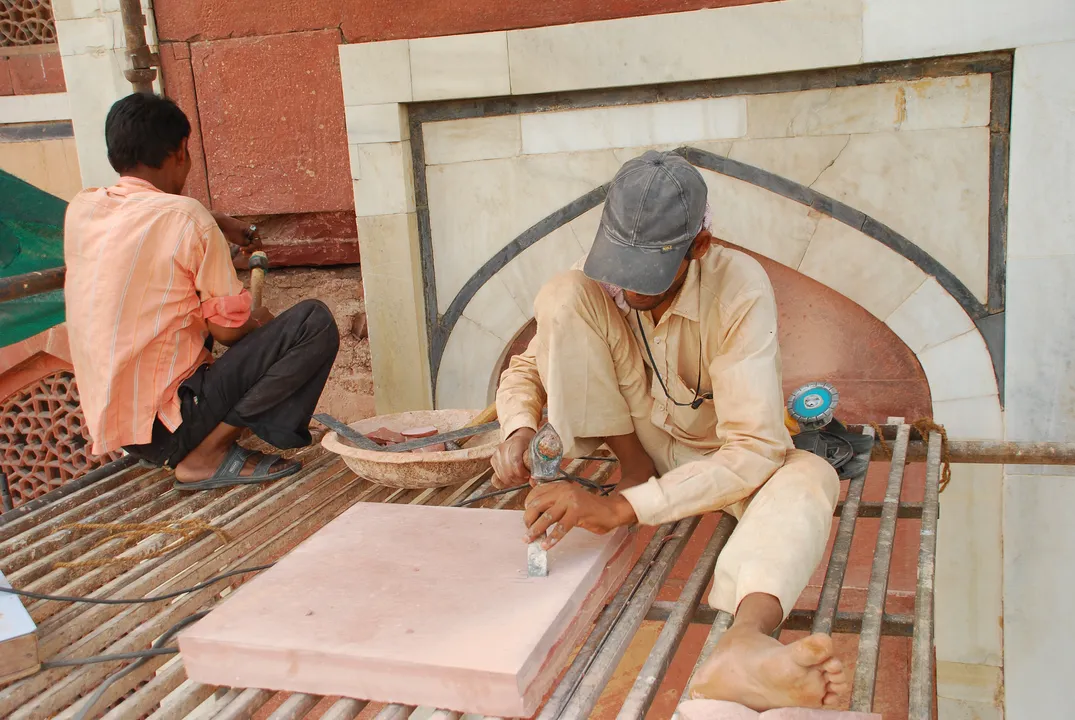
The decorative sandstone drum required major repairs, where the decayed stones were carefully
replaced with new stones.
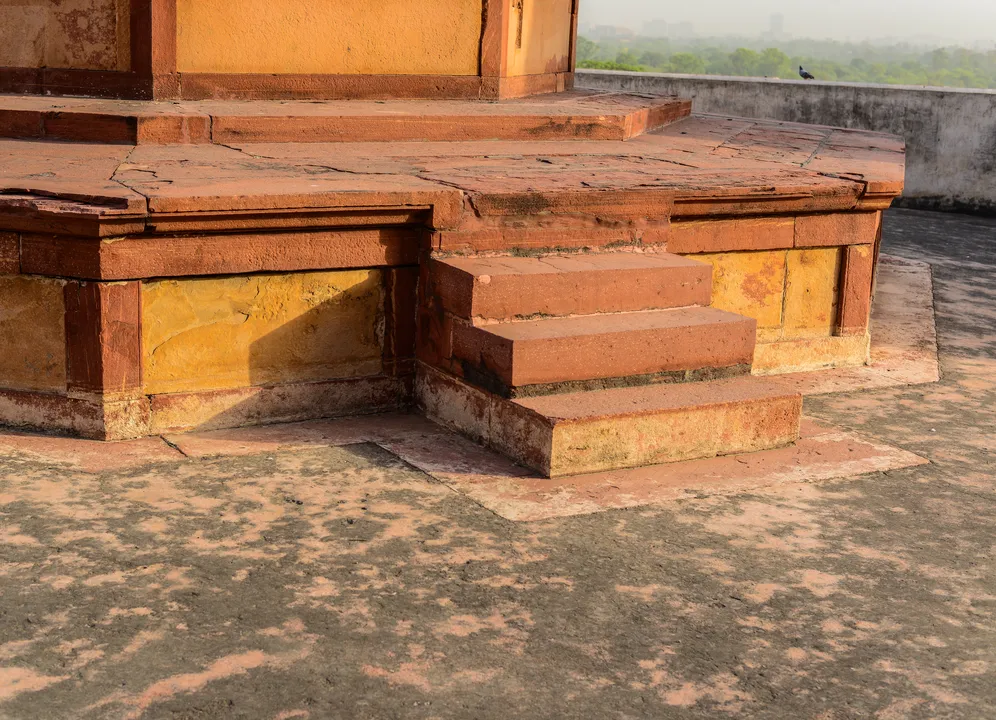
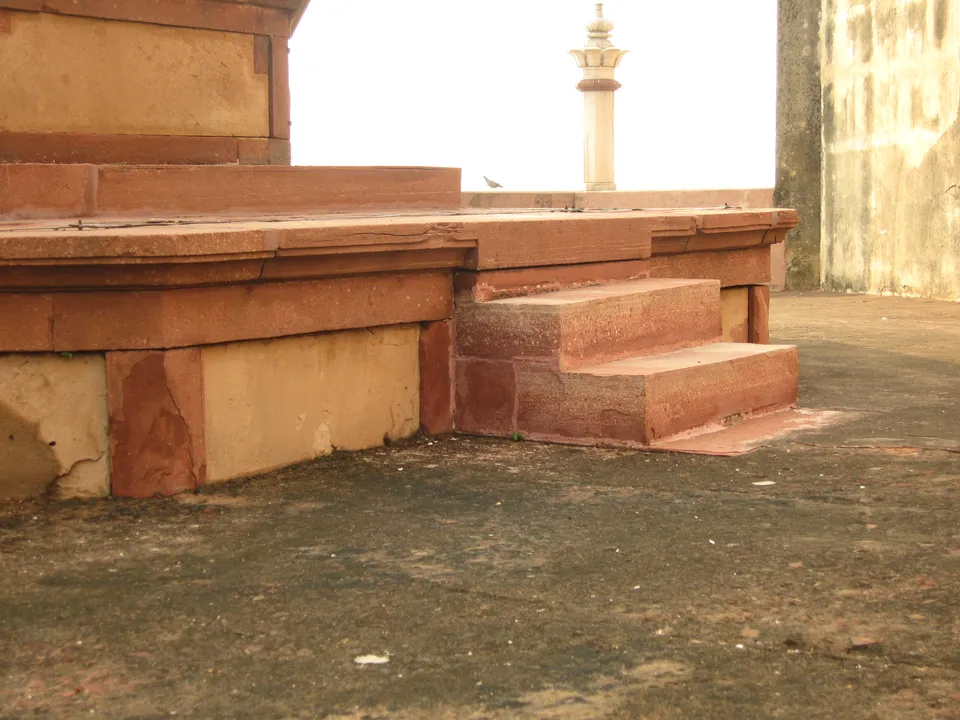
Terrace
Investigations from the roof revealed that at least four additional layers of concrete were laid on
the roof from the mid-20th century, totaling over 40 centimeters in excess thickness or a load of
over 1 million kilos.
This concrete needed to be removed from the roof to achieve multiple conservation objectives -
restoring the original levels and in turn revealing buried architectural elements, reducing the
excess load on the roof, restoring the water disposal mechanism through rainwater spouts, finally,
restoring a traditional lime-based roof layer to ensure long-term preservation.
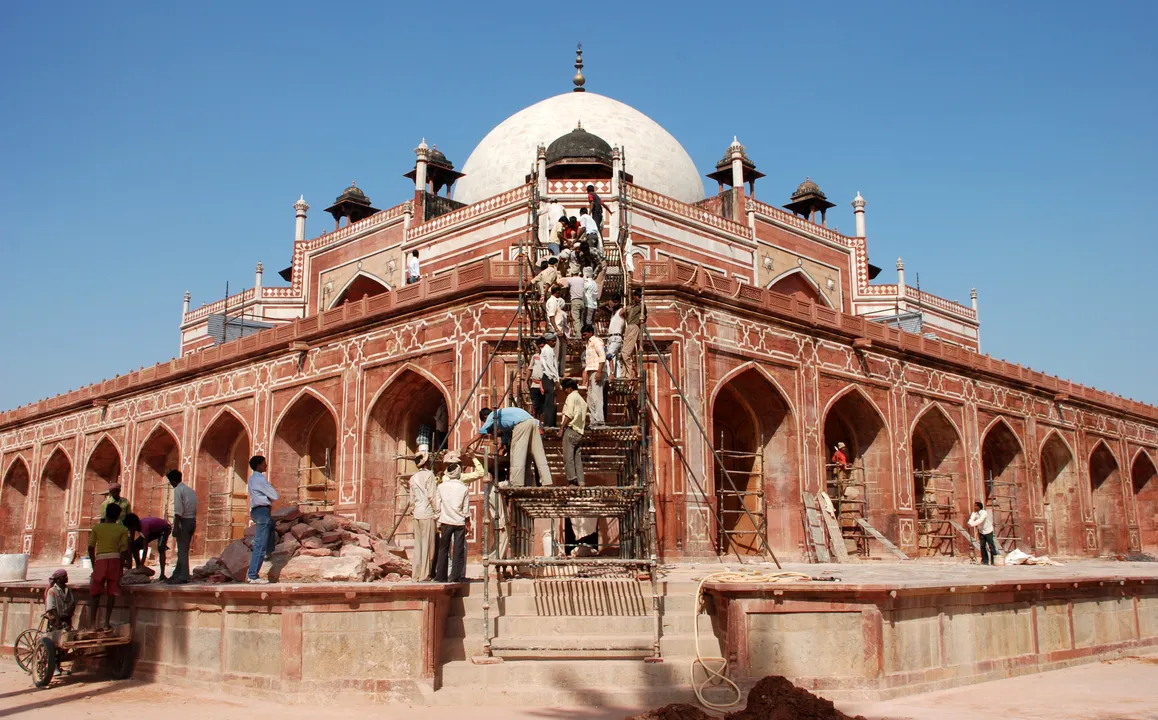
To prevent damage due to vibrations, craftsmen used hand tools to dismantle the 20th-century concrete
layers laid on the roof.
Canopies
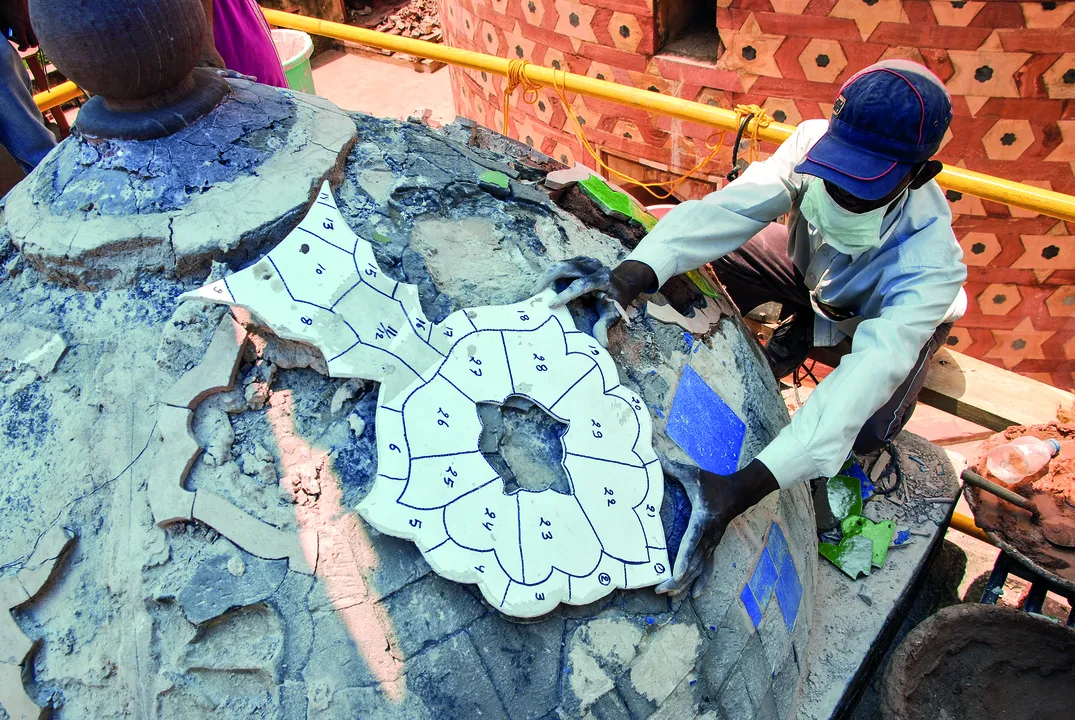
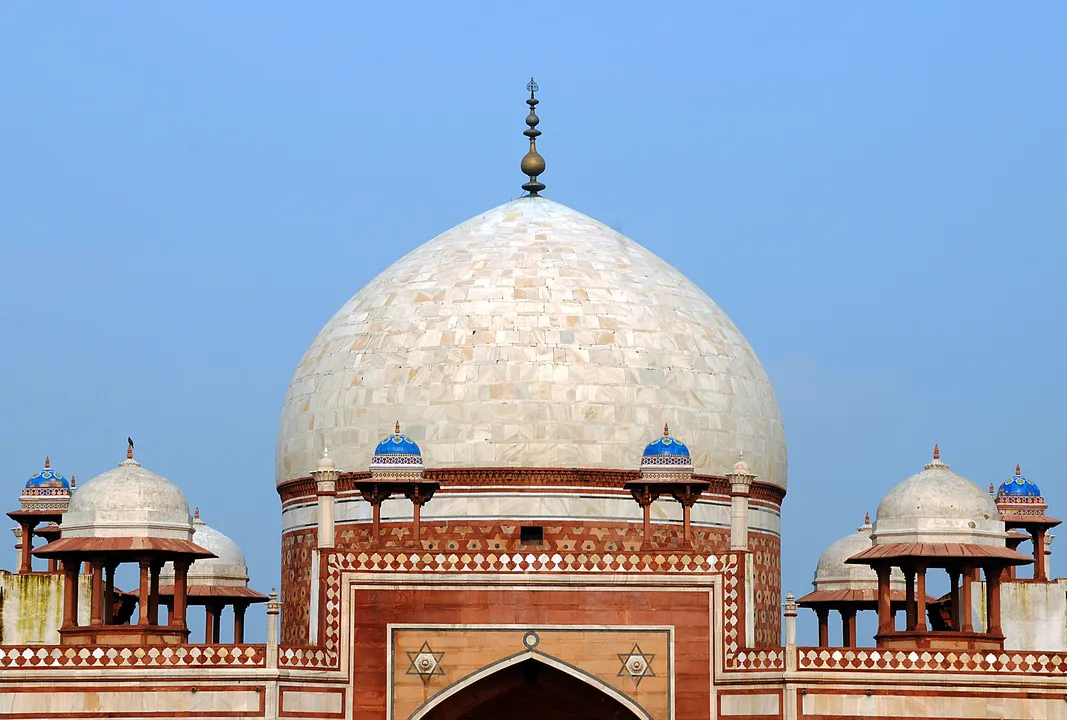
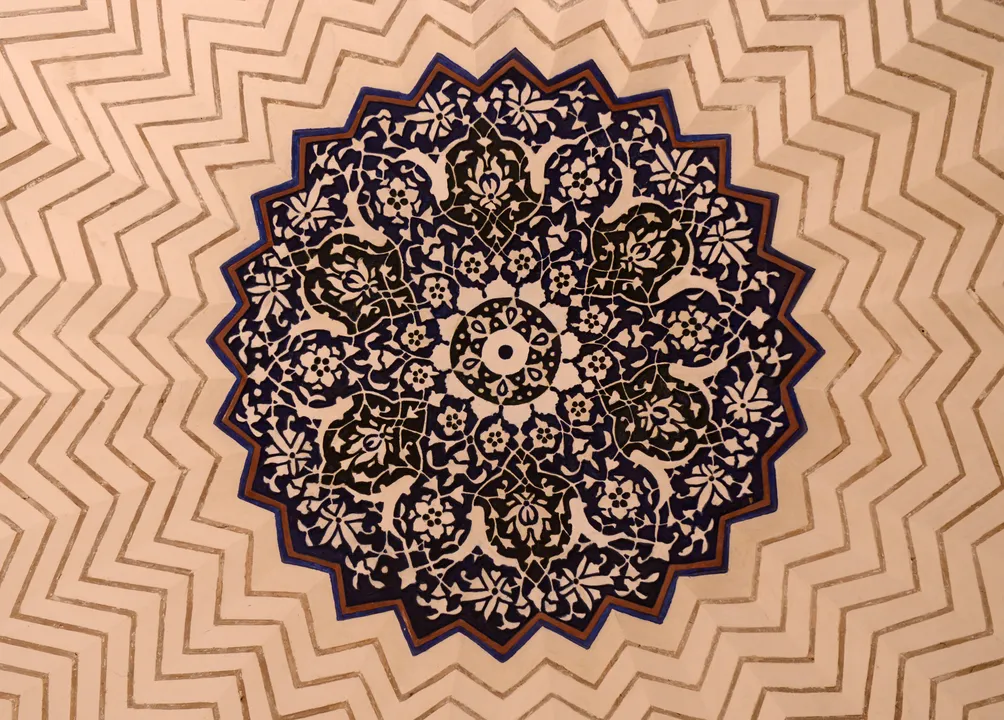
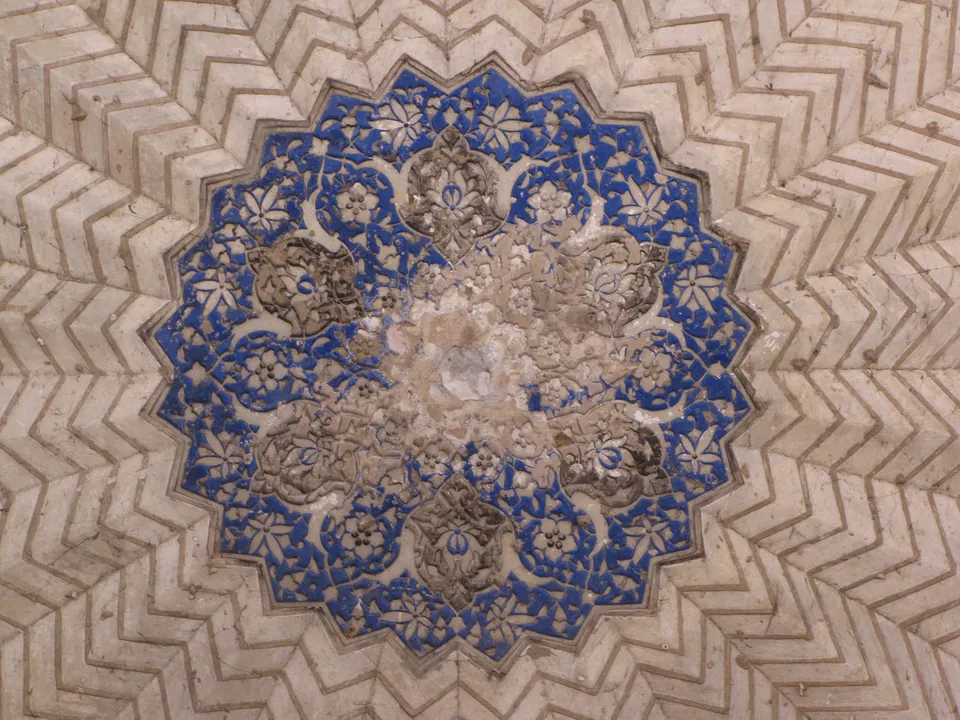
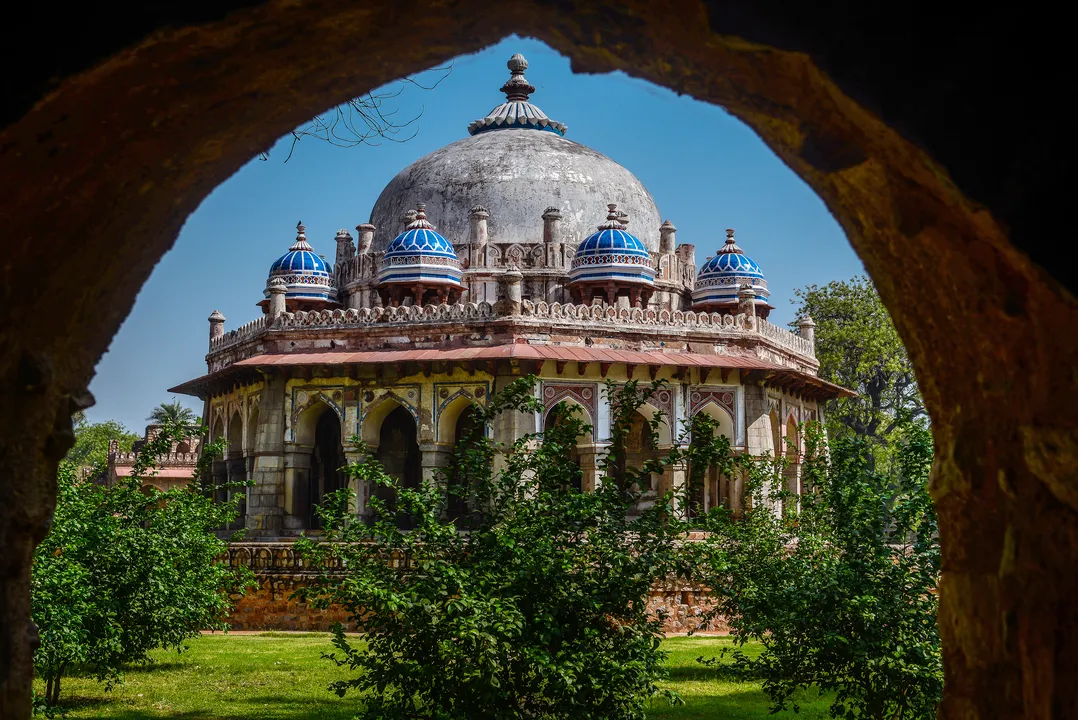
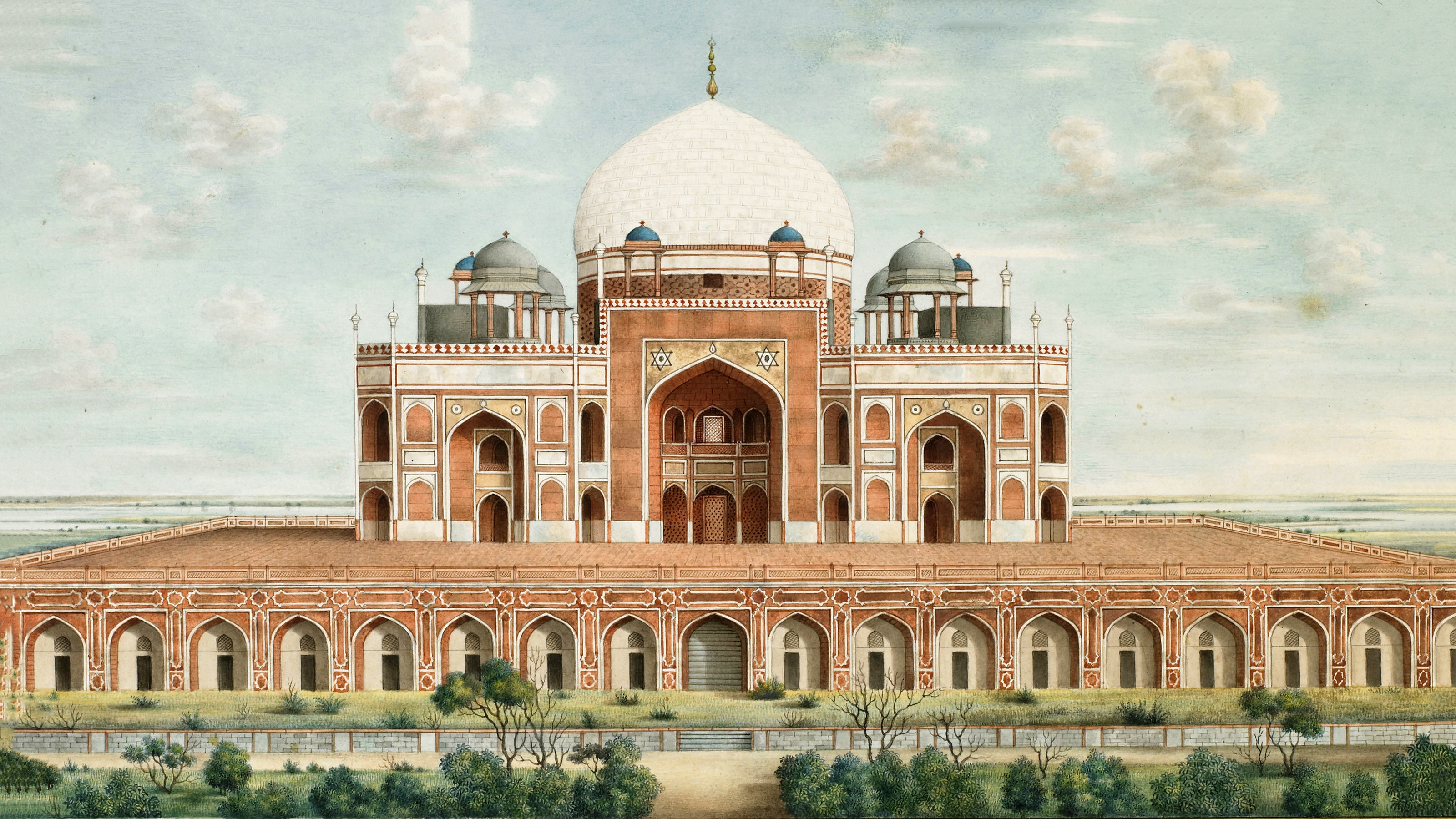
A 19th century painting from the Victoria and Albert Museum, UK showed blue tilework on smaller 8
canopies against the white marble dome in the background.
Though tile fragments were still visible at the start of the conservation effort, careful scientific
investigations revealed the original patterns.
The process required three years of experimentation and commenced under the guidance of master
craftsmen invited from Uzbekistan.
During this experimentation phase, over 20,000 individual pieces of tiles in the five colours used
were made until an exact match could be prepared.
All surviving tiles were retained in-situ, even if these had lost their glaze.
The restoration of glazed tiles in their original patterns has significantly enhanced the Mughal
design intention at Humayun’s Tomb.
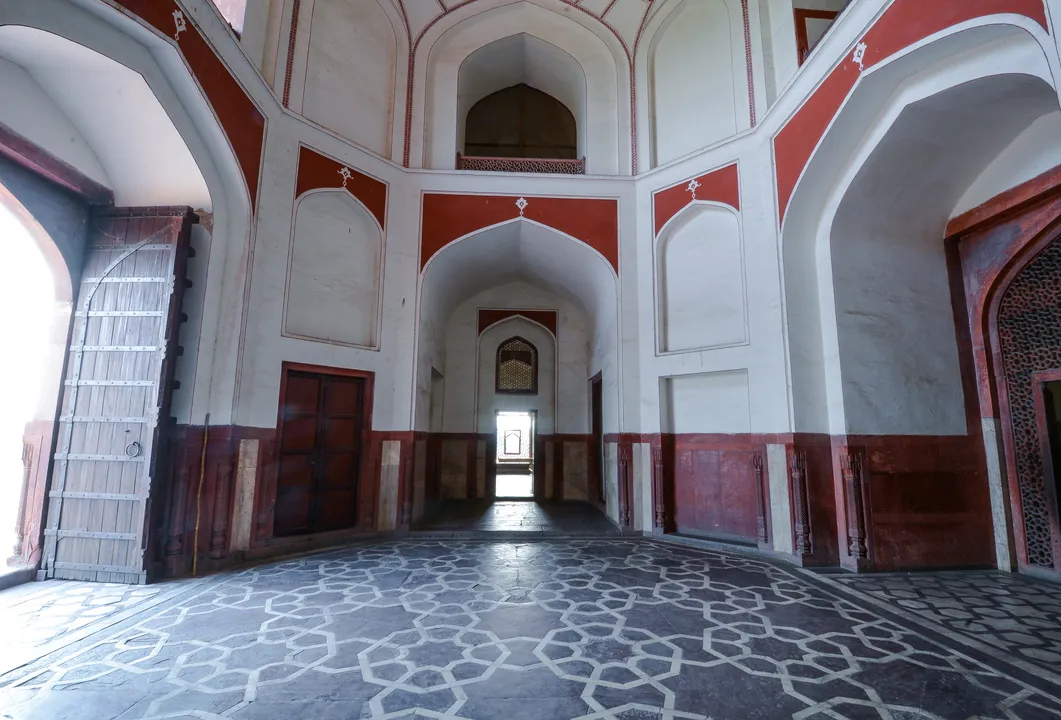
Main Hall
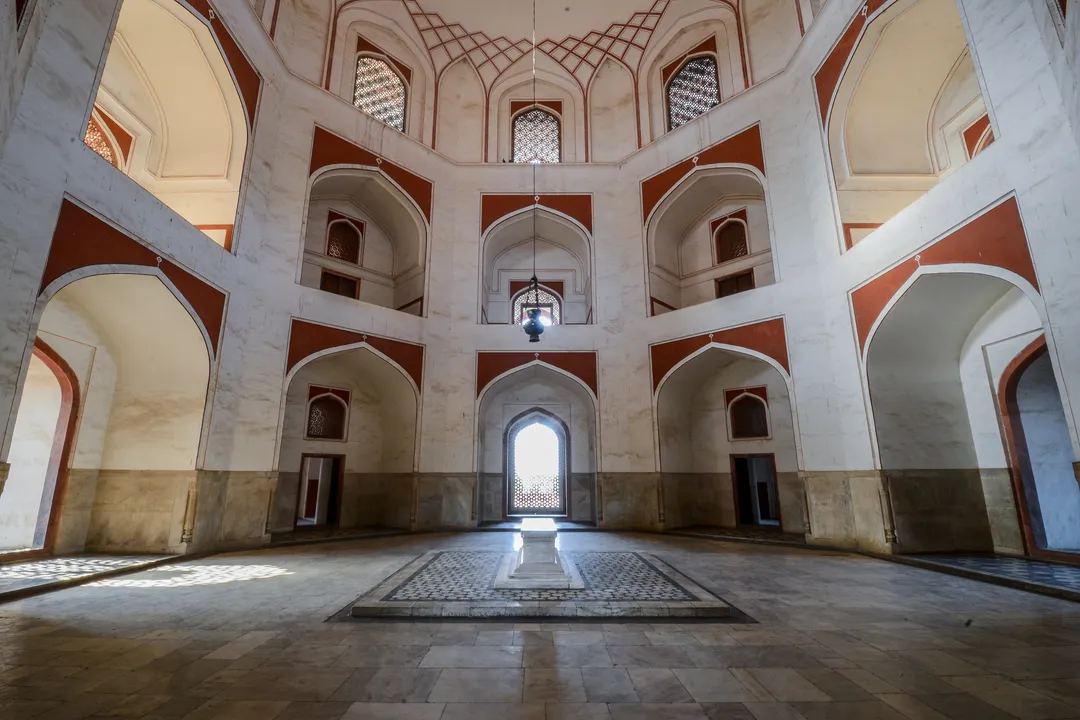
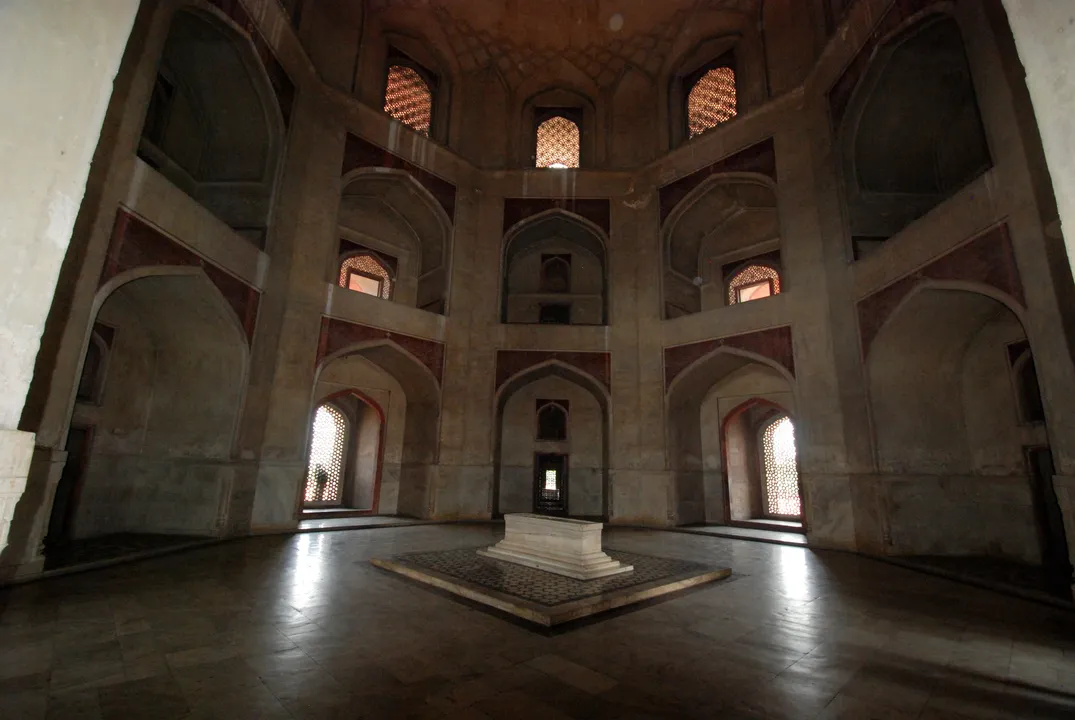
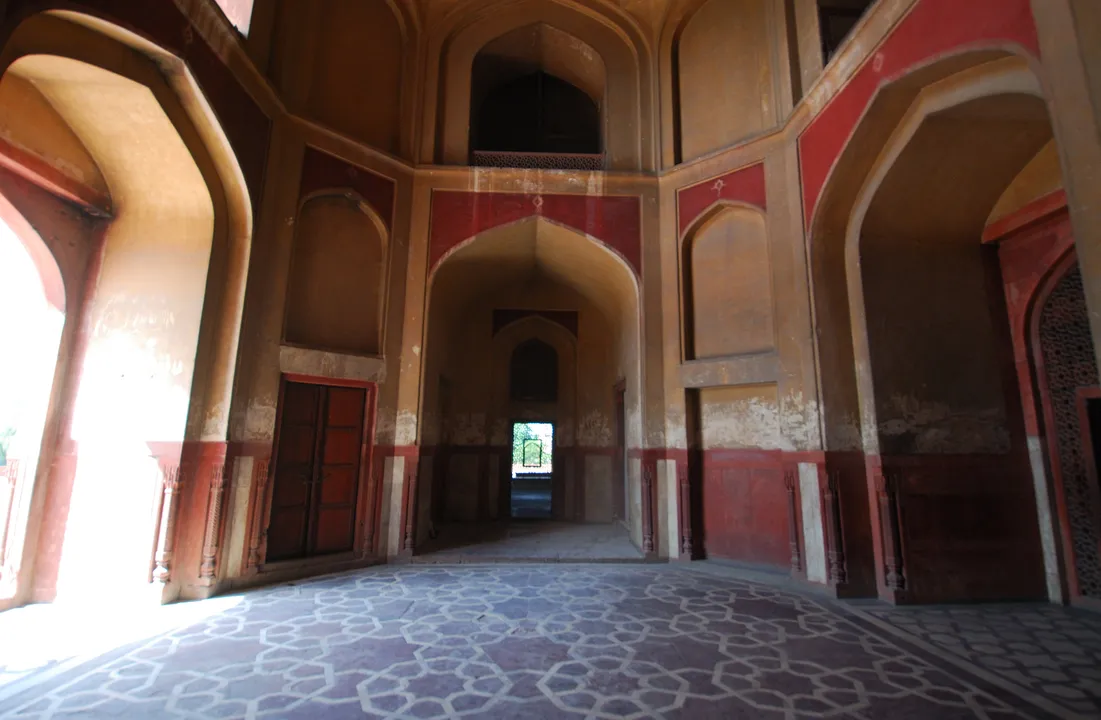
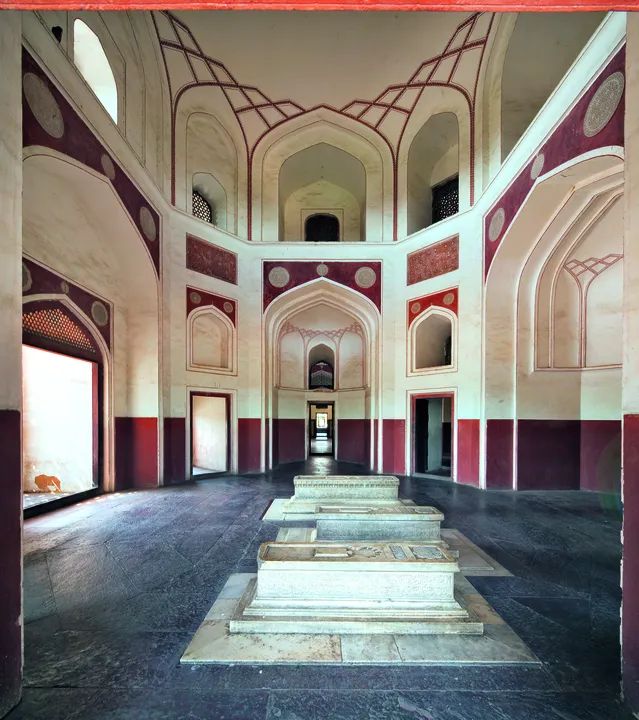
Repetitive layers of paint and limewash applied to the wall surfaces of the Main Hall in the
late-20th century had disfigured the historic character and were required to be carefully scrapped
off.
Cement plaster as well as decayed loose lime plaster was removed from all wall surfaces and replaced
with a traditional lime mortar mix.
Although there are historical records of the main hall being covered with tiles, this could not be
restored as neither the pattern nor extent was known, and the project judiciously avoided any
conjecture.
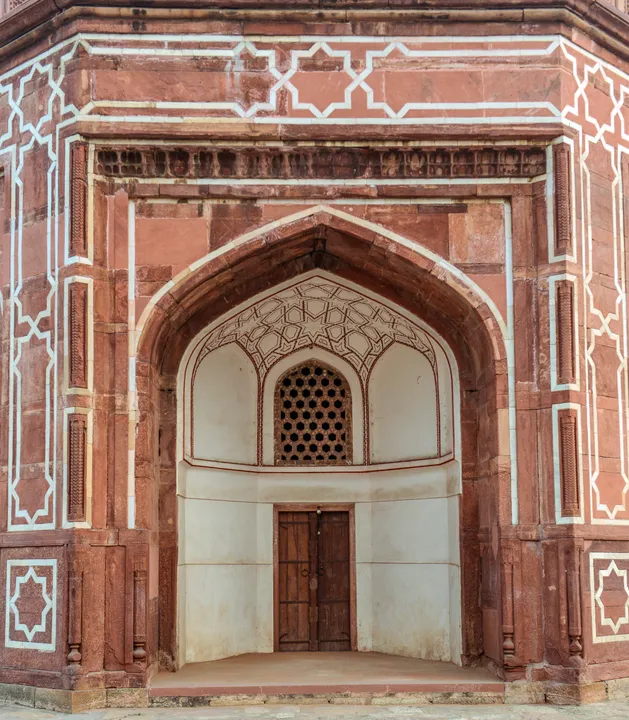
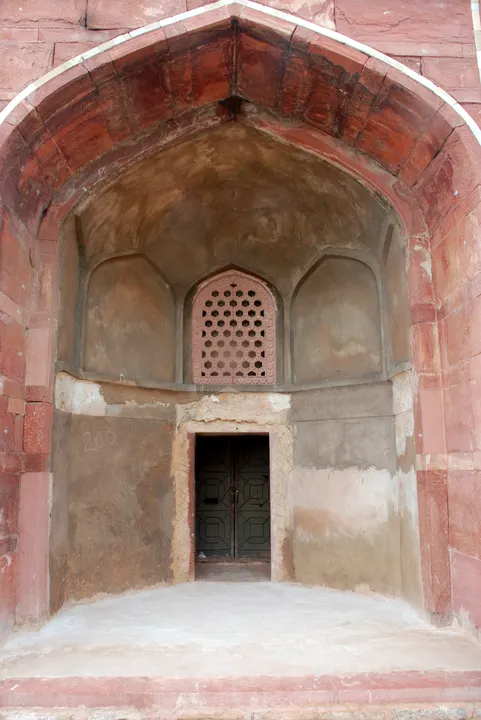
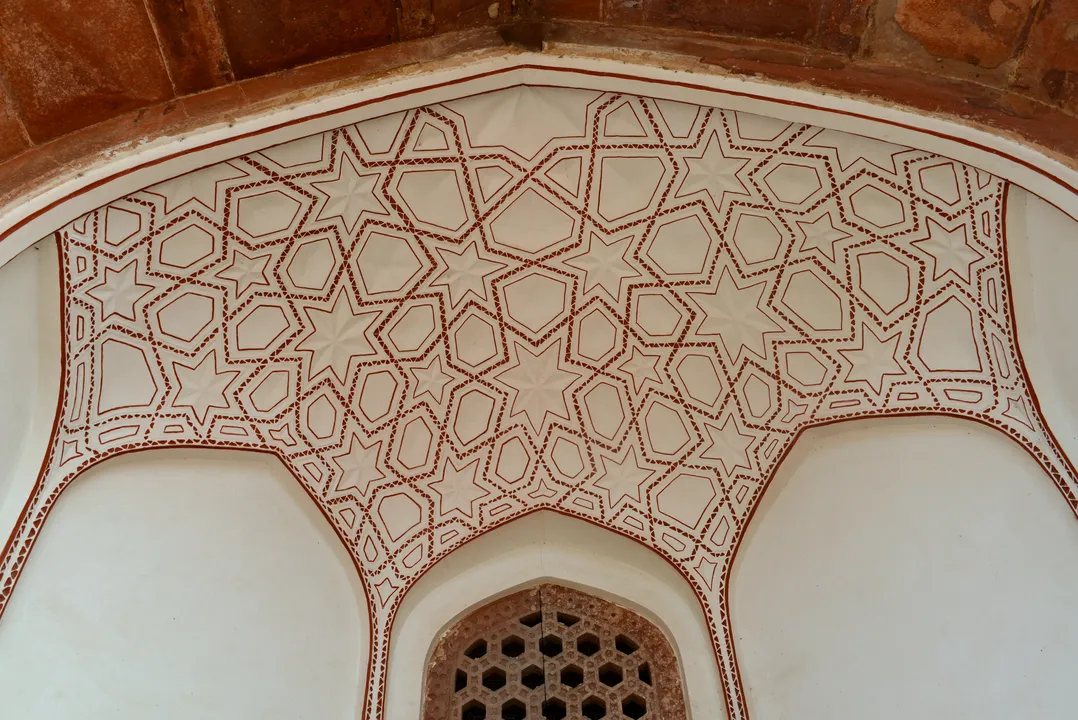
Lower arcade
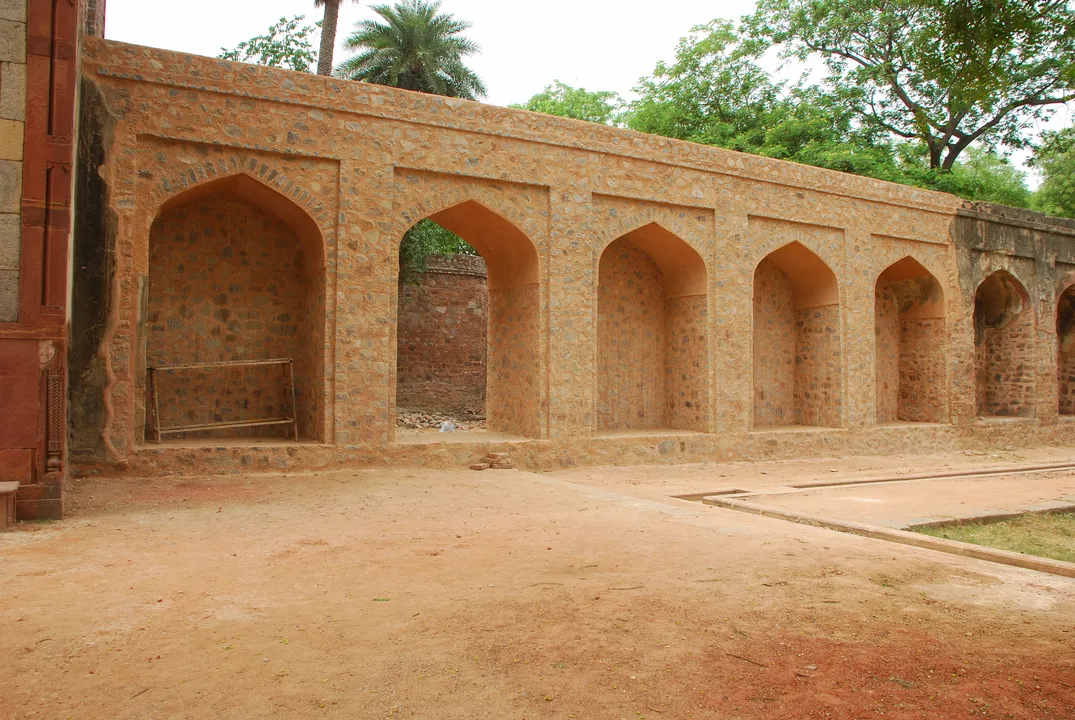
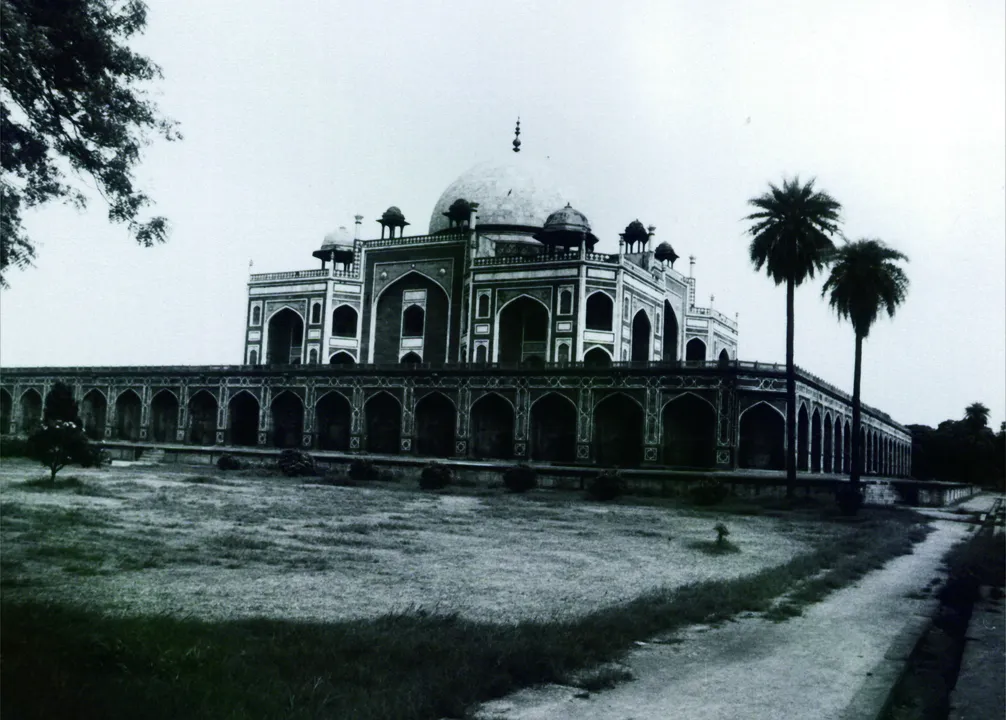
On each facade of the mausoleum are 17 arched openings, and one on each of the chamfered edges.
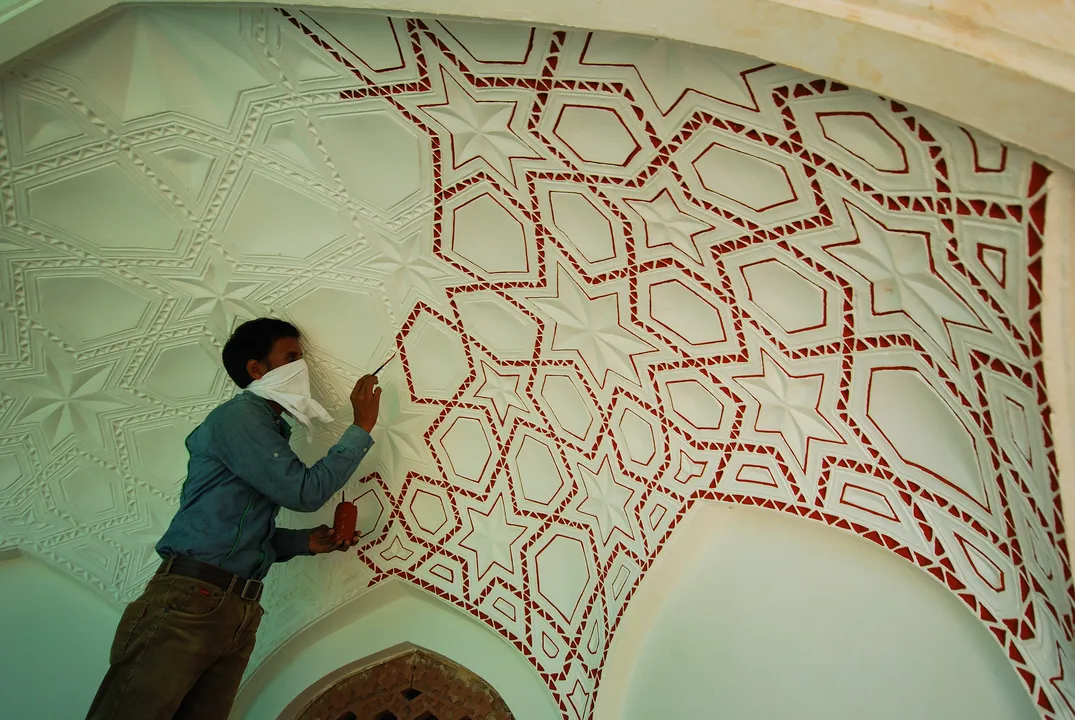
Though the facing of this spectacular arcade is clad in sandstone with marble inlay, the ‘half-domed’
wall surfaces are plastered with ornamental star-shaped patterns.
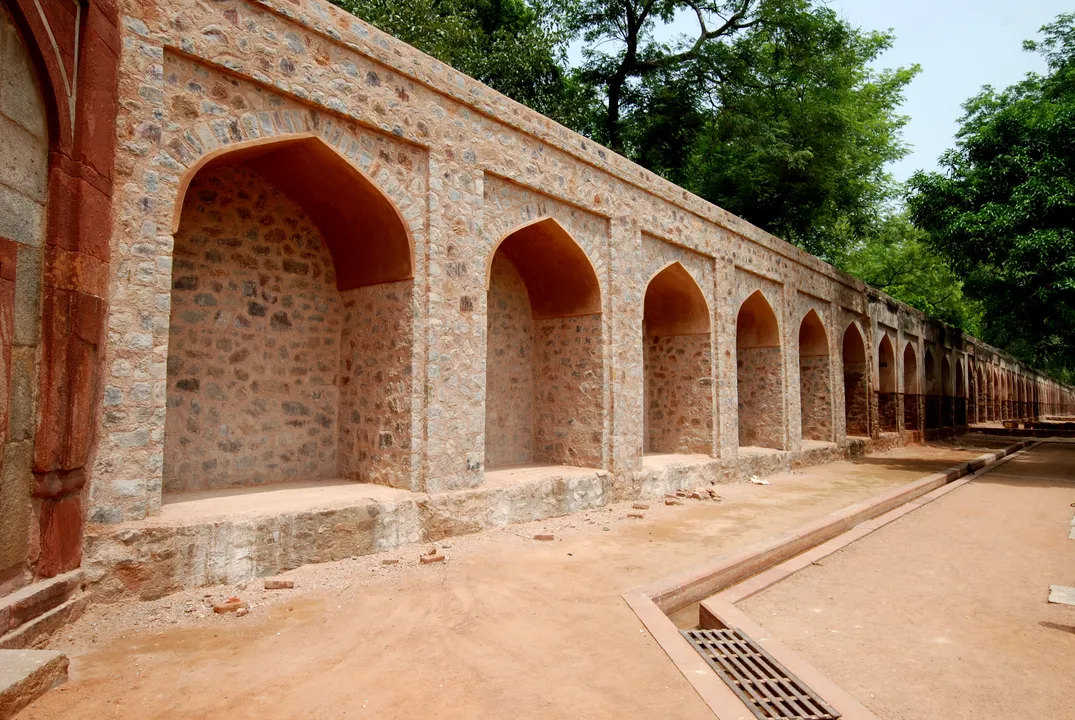
A doorway with a sandstone door frame allows access to the vaulted chambers beyond, intended as
miniature mausoleums wherein lie buried 160 Mughal family members.
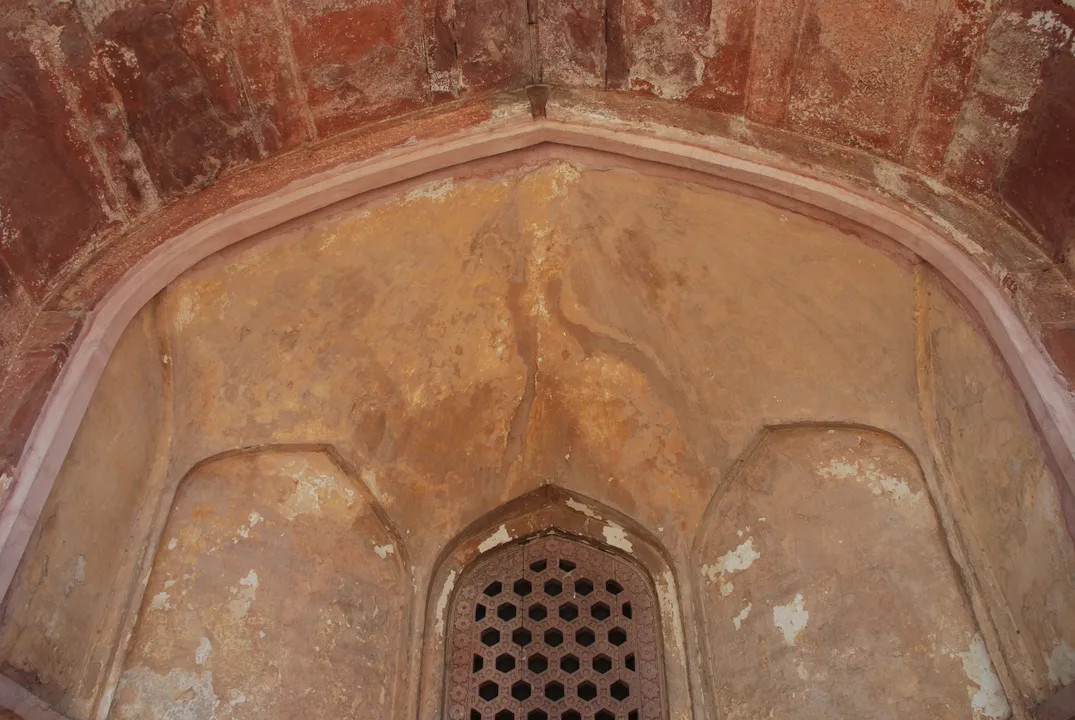
Water seepage caused the loss of original lime plaster, which was replaced with cement plaster in the
20th century.
An independent peer-review unanimously agreed that the desired red-white contrast of the Mughal
builders be restored.
To prevent further deterioration of sandstone and ensure authenticity of material, form and design,
this cement was removed.
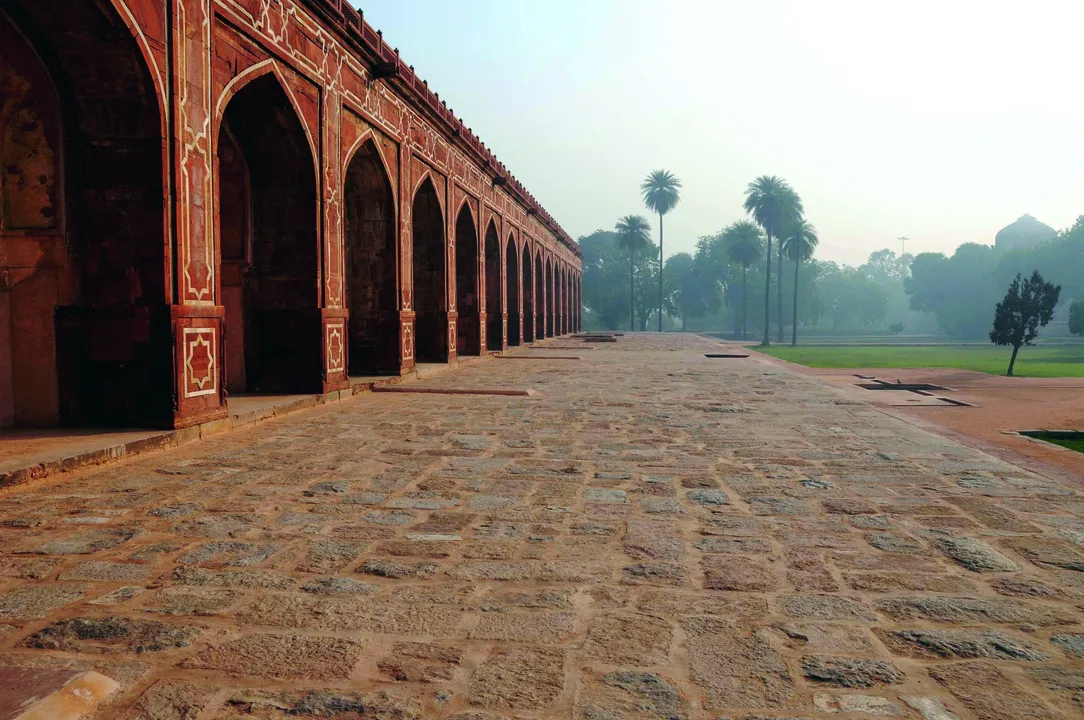
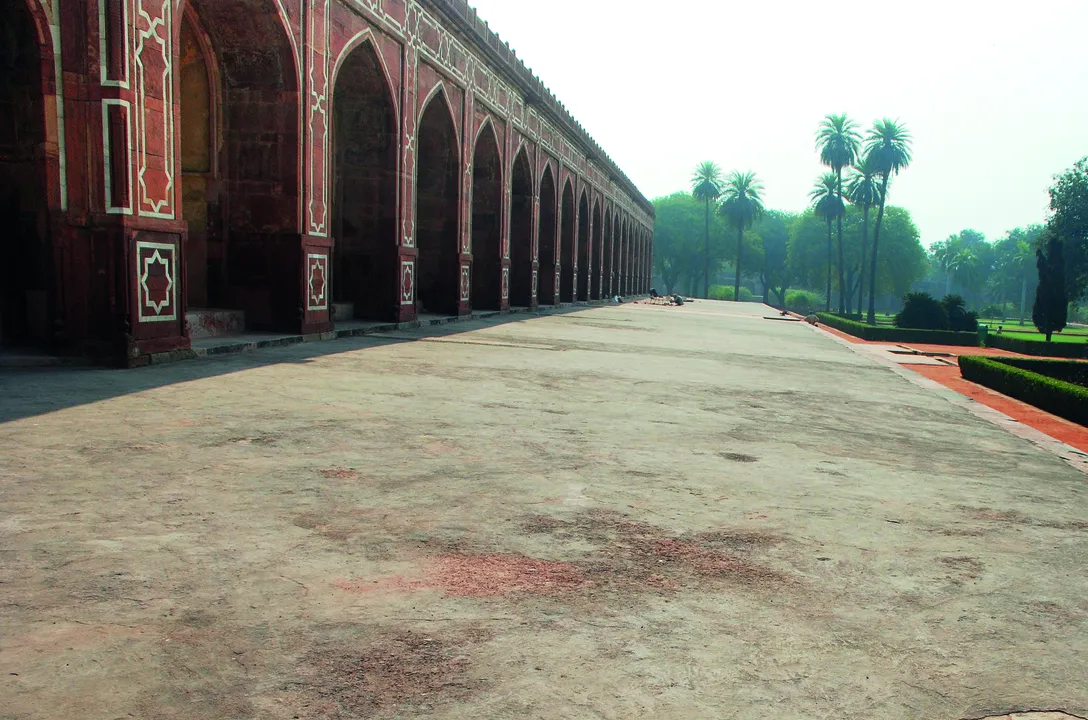
Lower Plinth
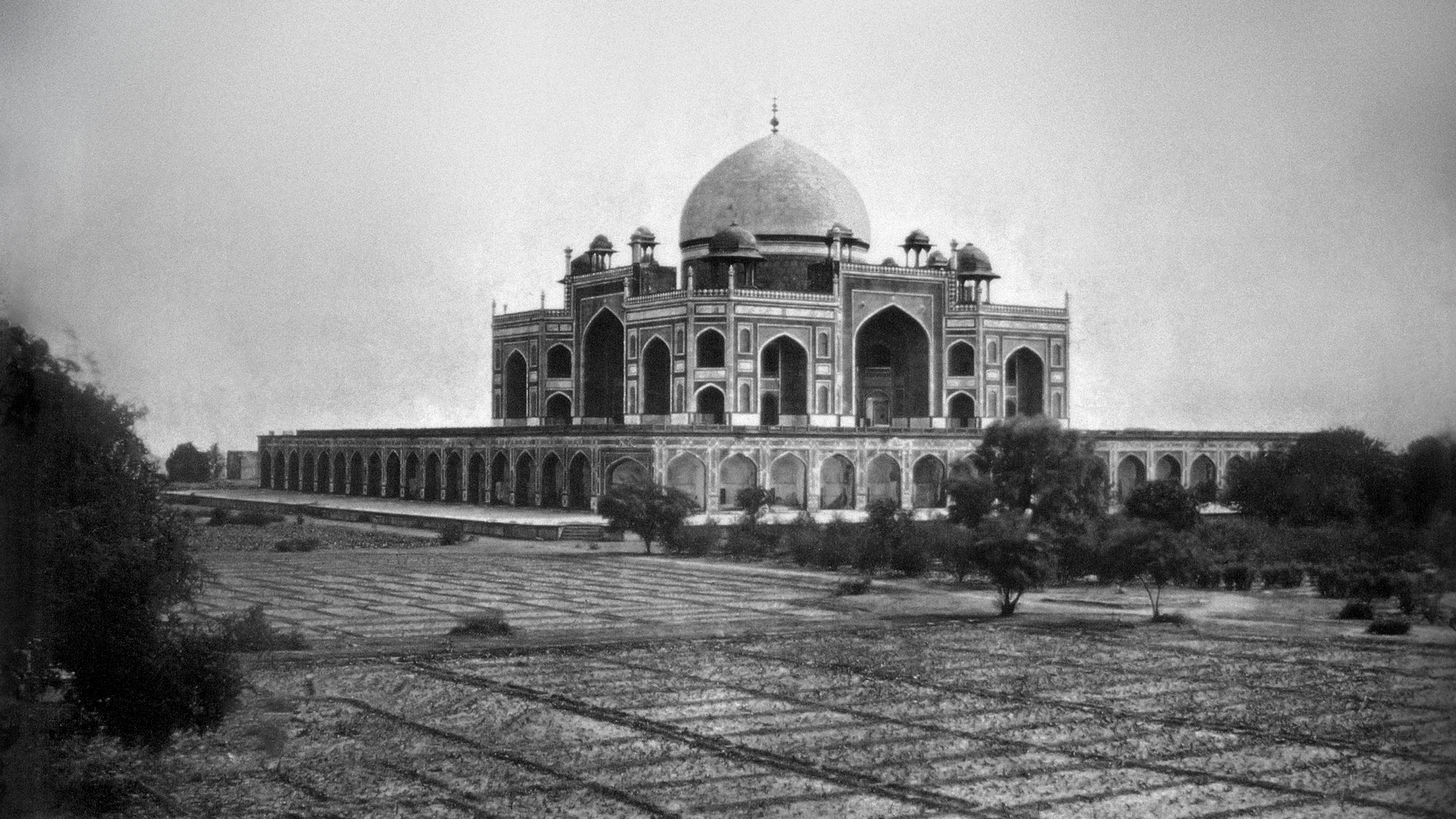
The 4,000 sqm plinth, forms a significant interface between the garden and the mausoleum.
It was originally paved with large blocks of Delhi quartzite stone, which were covered with cement in
the 20th century, possibly to provide an even walking surface.
This, however, disfigured the historic architectural character and stability of the structure.
The cement concrete laid on the plinth disfigured the historic architectural character, was removed
and stonework restored.
Most of the blocks weighed more than a tonne and it required over a dozen craftsmen to lift and reset
a single stone.
A bedding of lime concrete was provided to ensure that no water ingress occurred.
.webp)

.webp)
.webp)
.webp)
.webp)