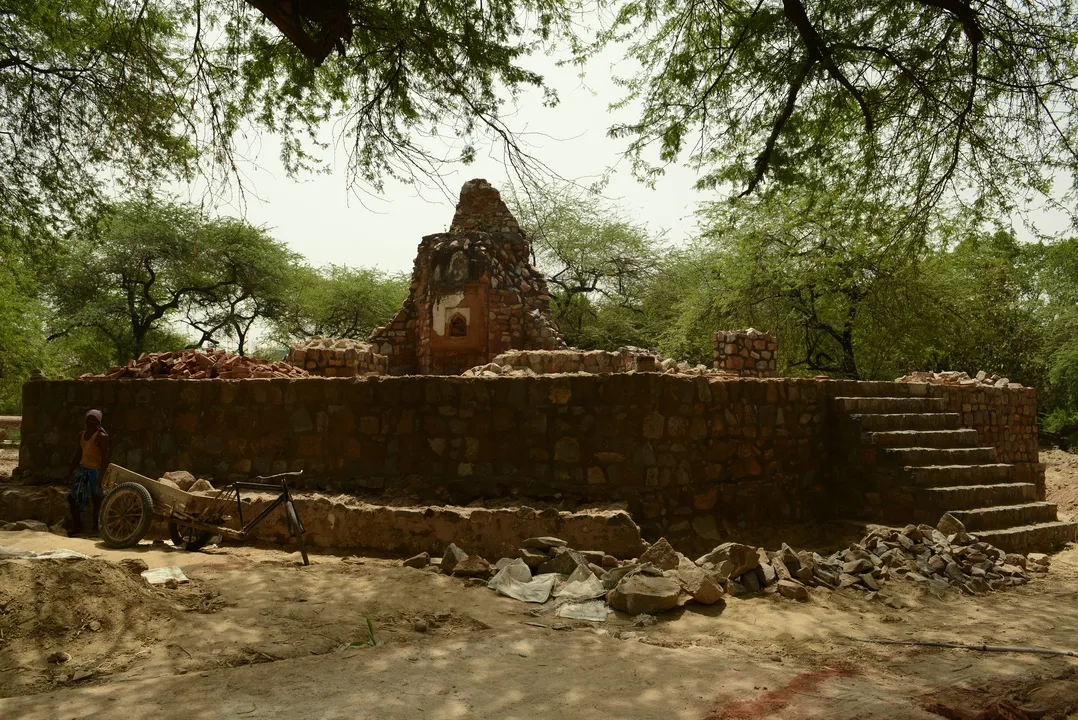
Chhota Bateshawala
16th Century
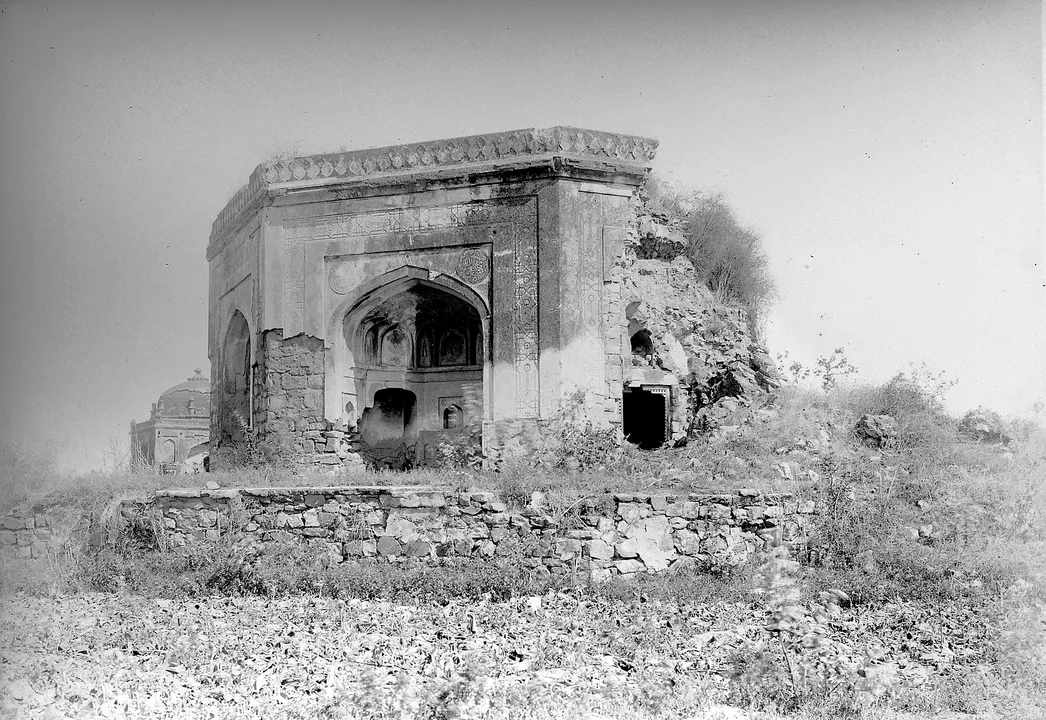
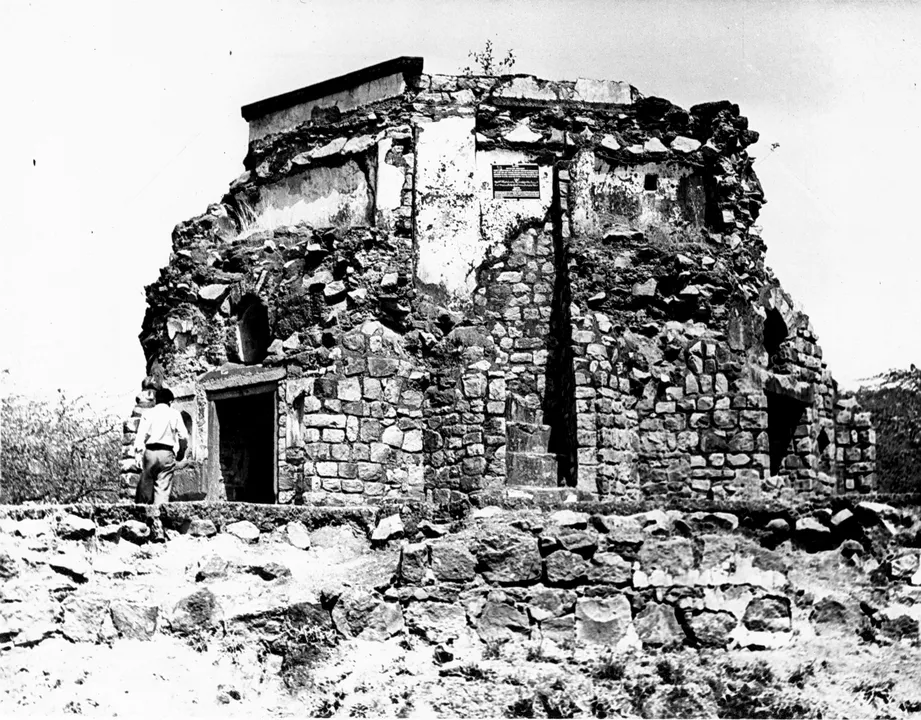
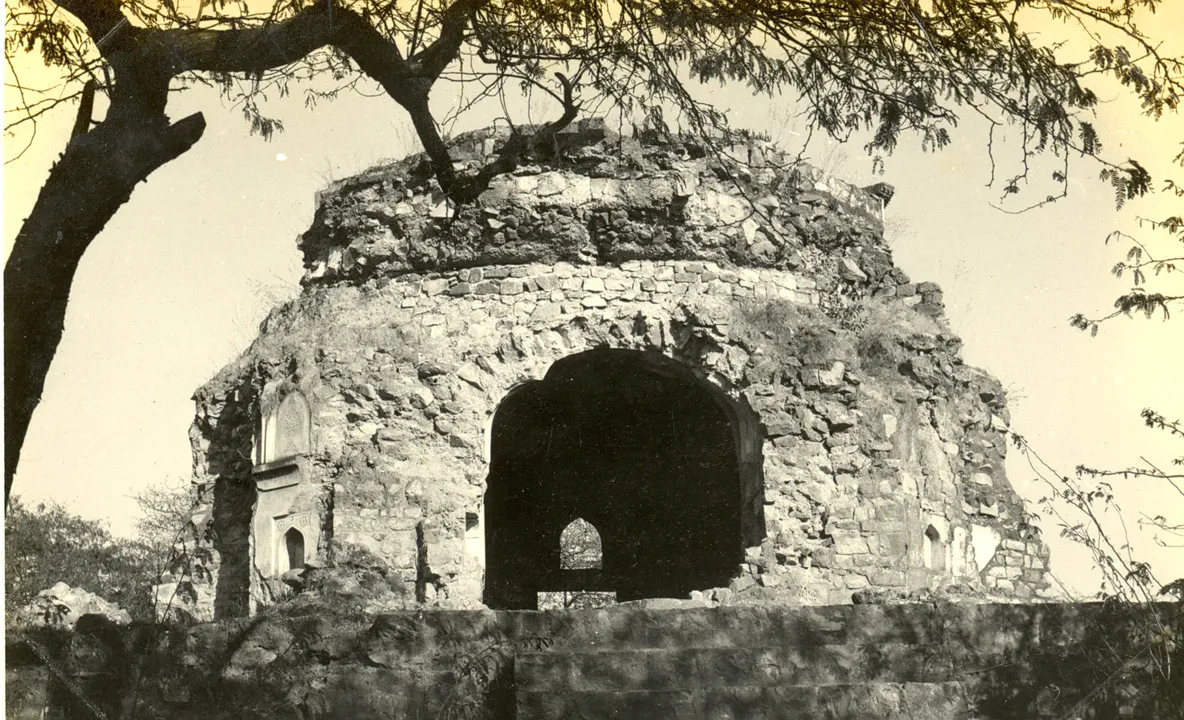
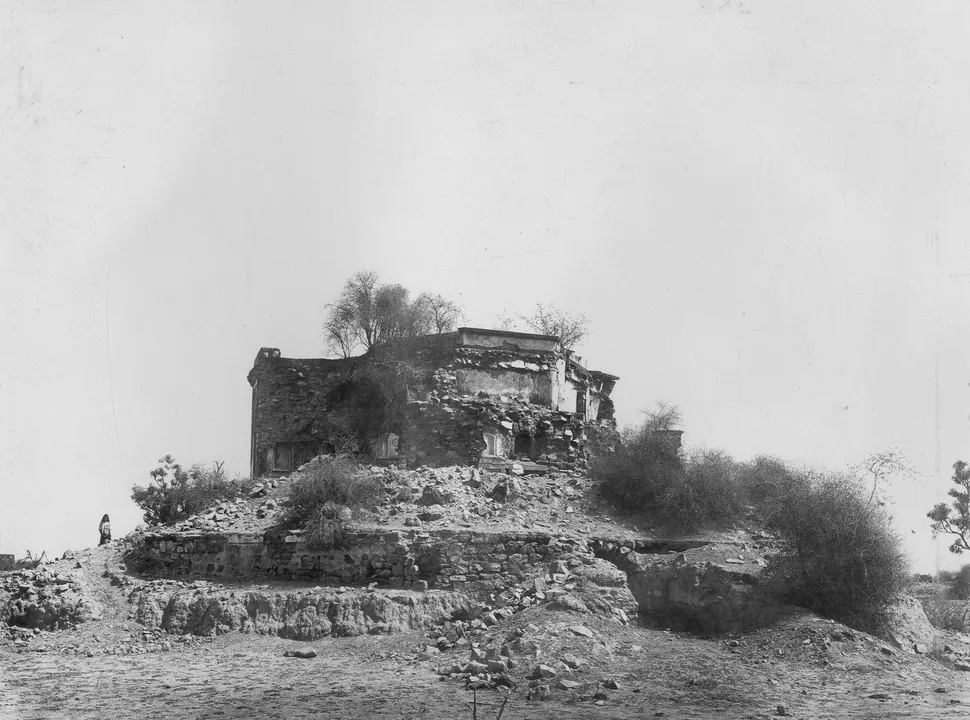
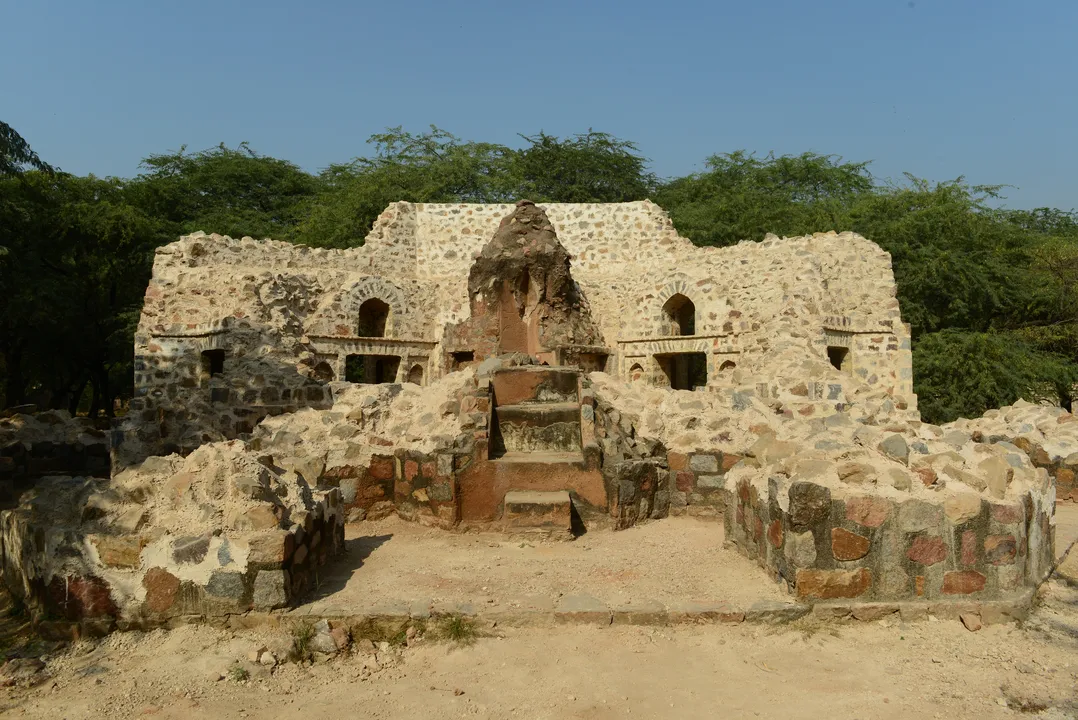
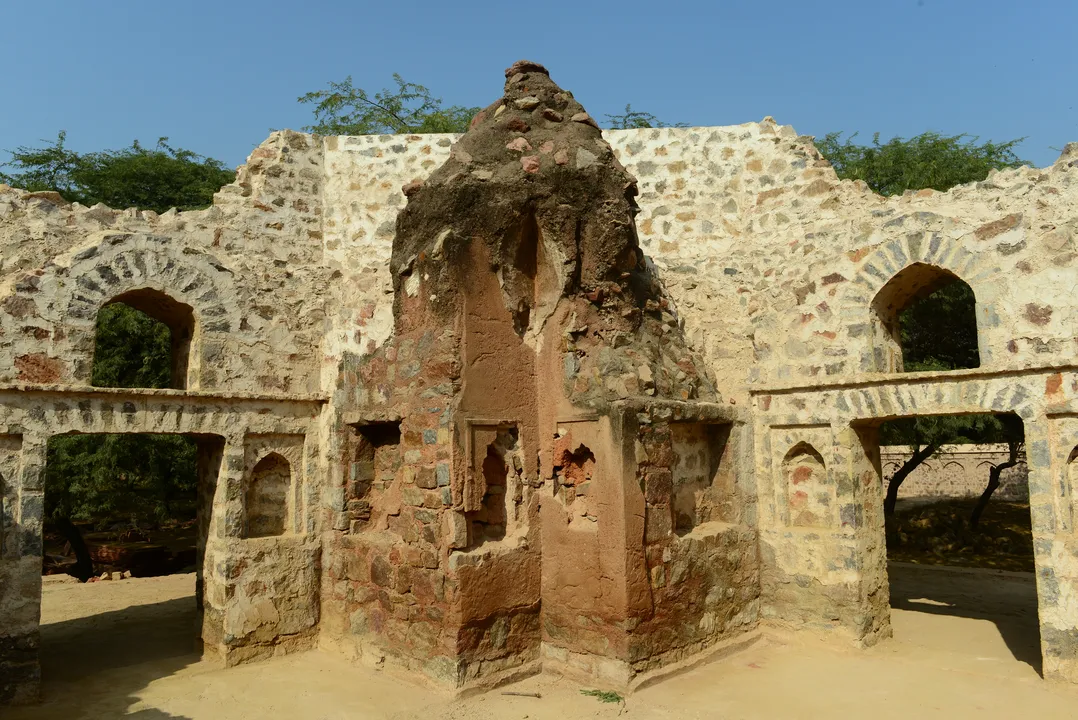
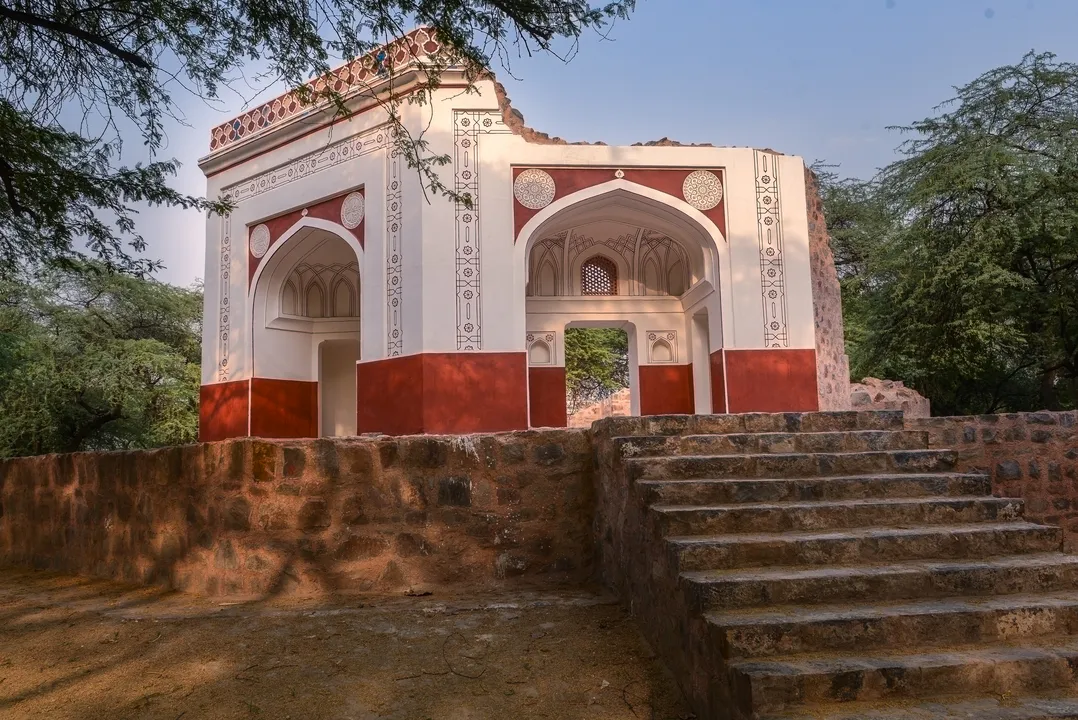
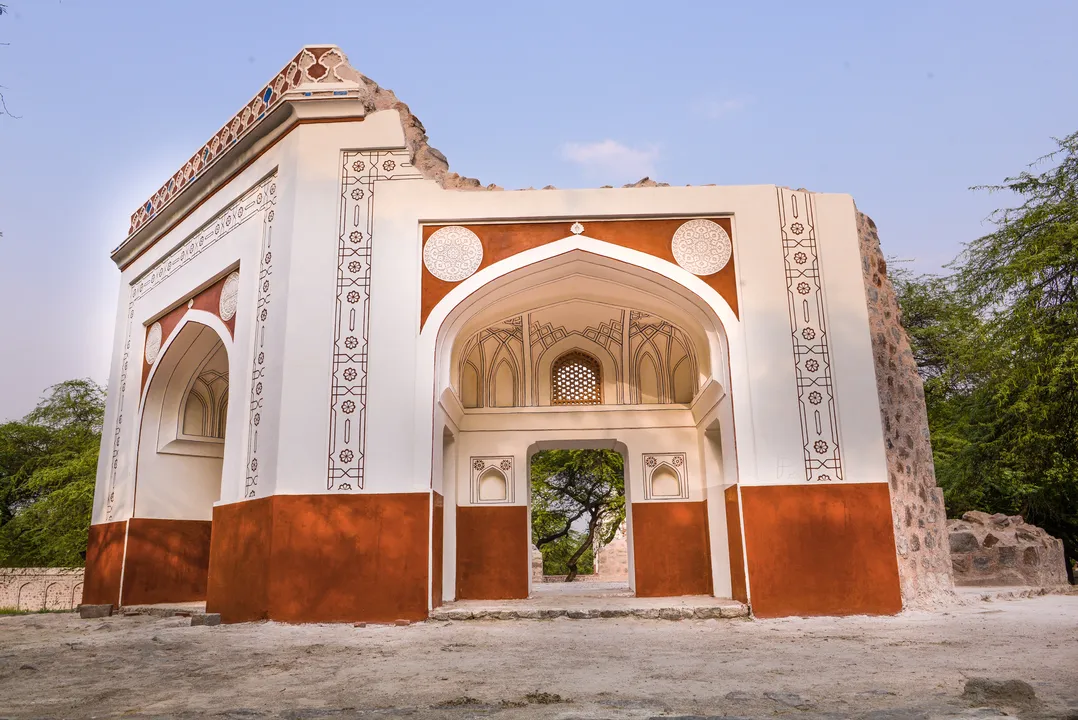
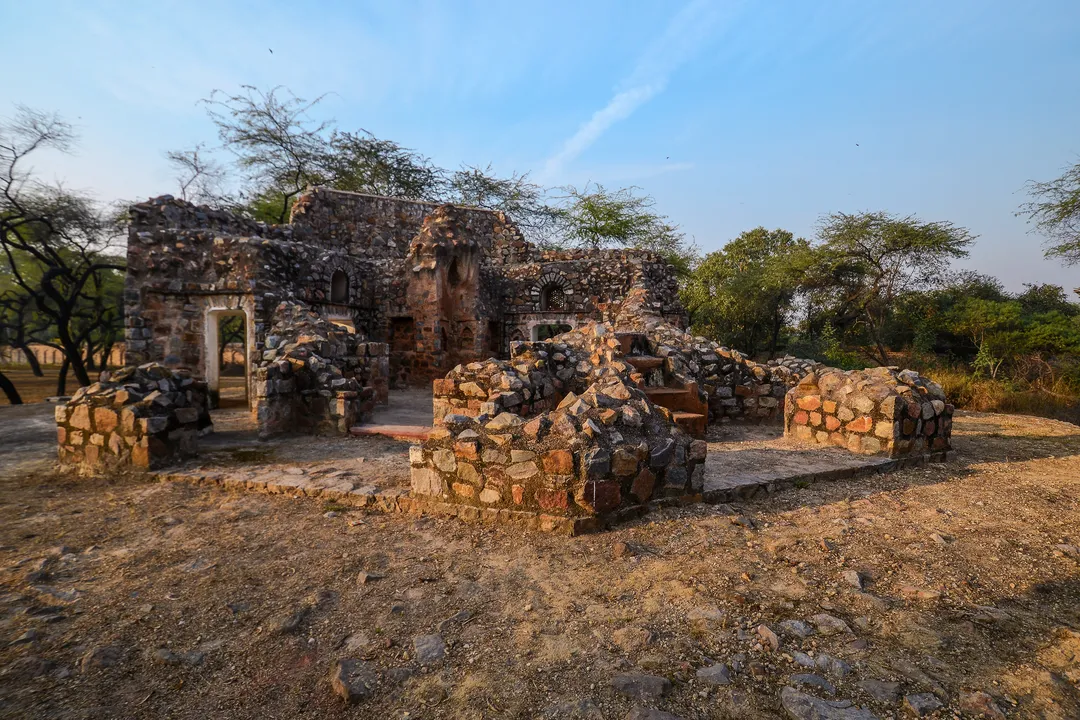
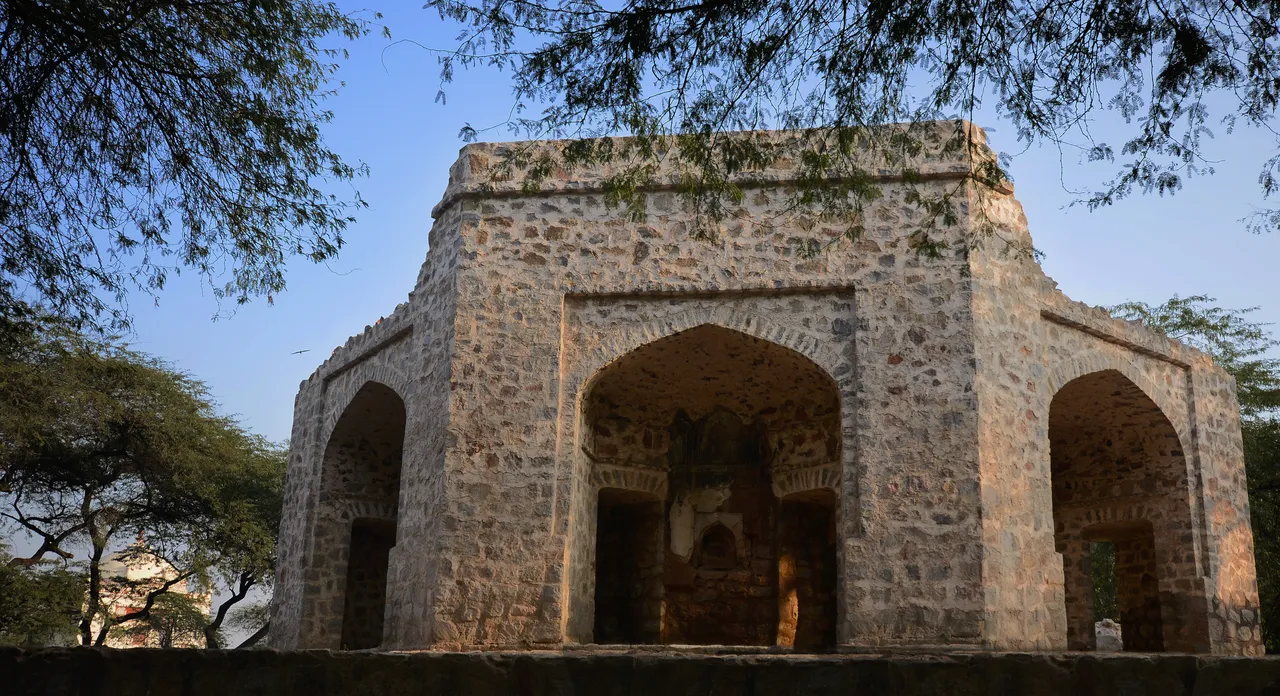
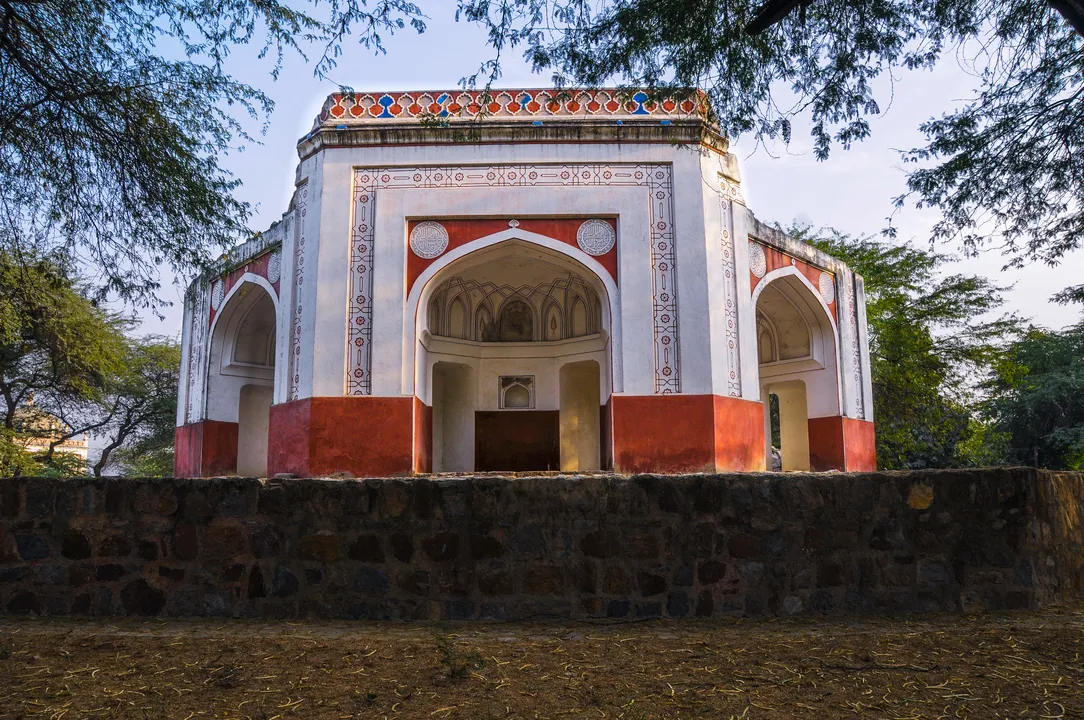
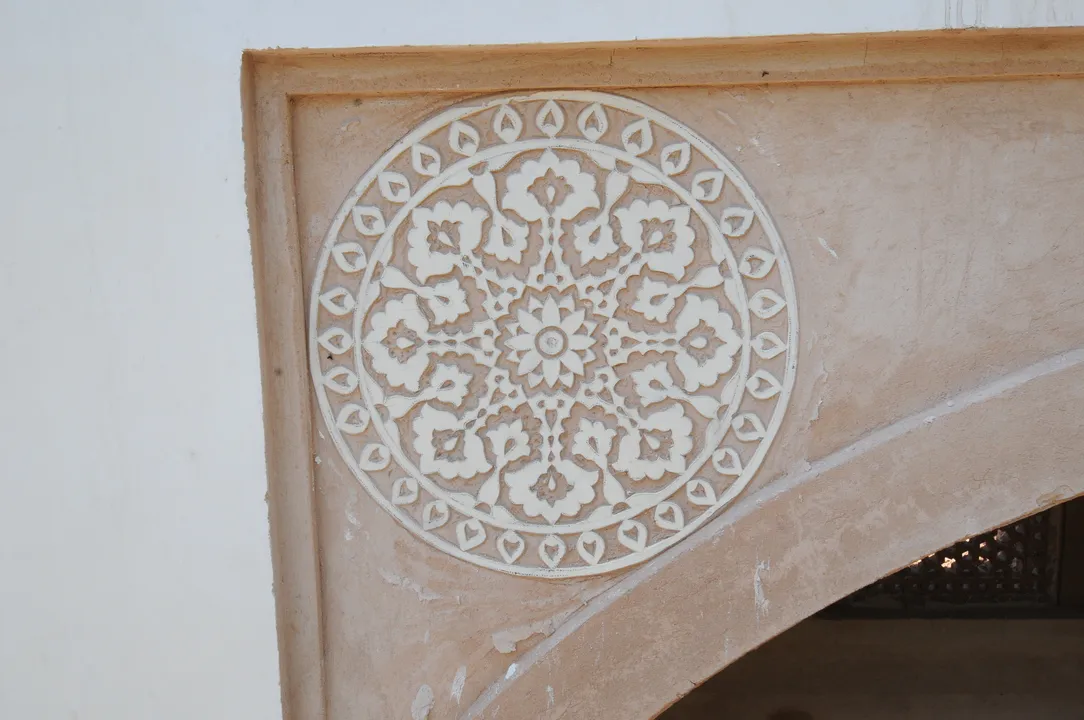
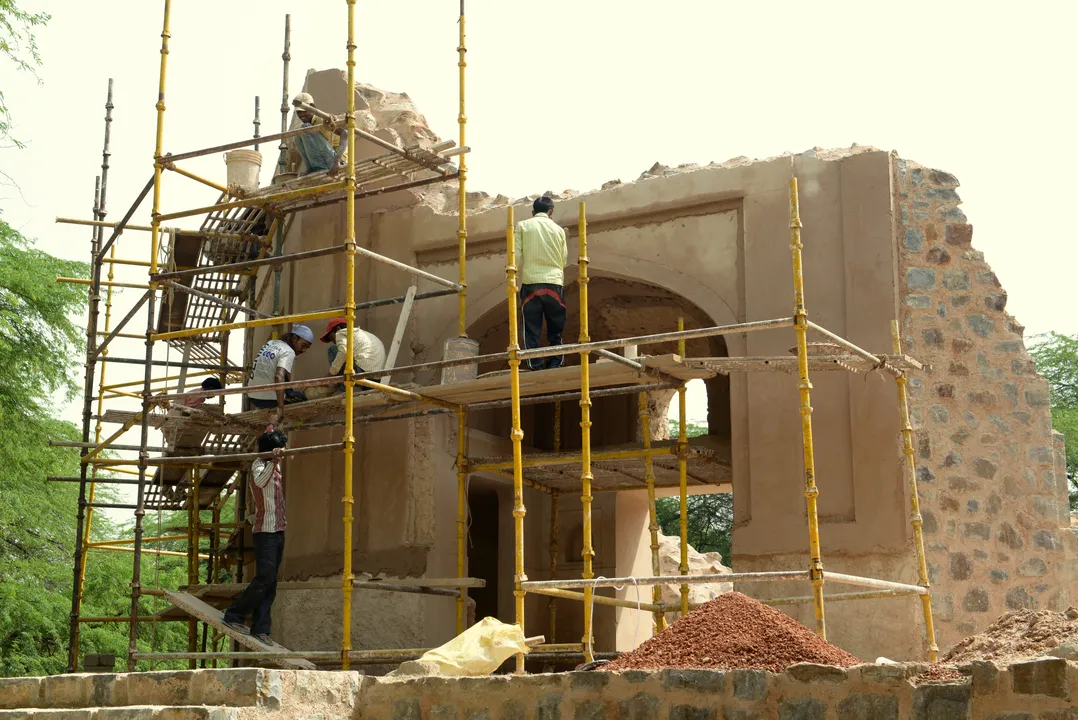
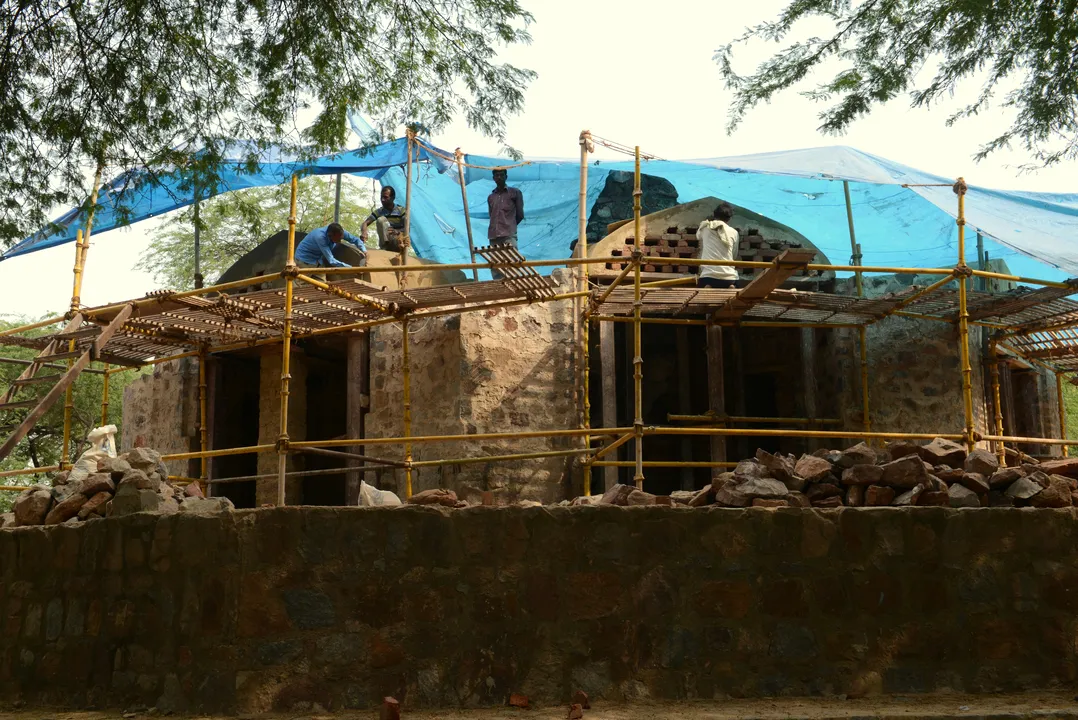
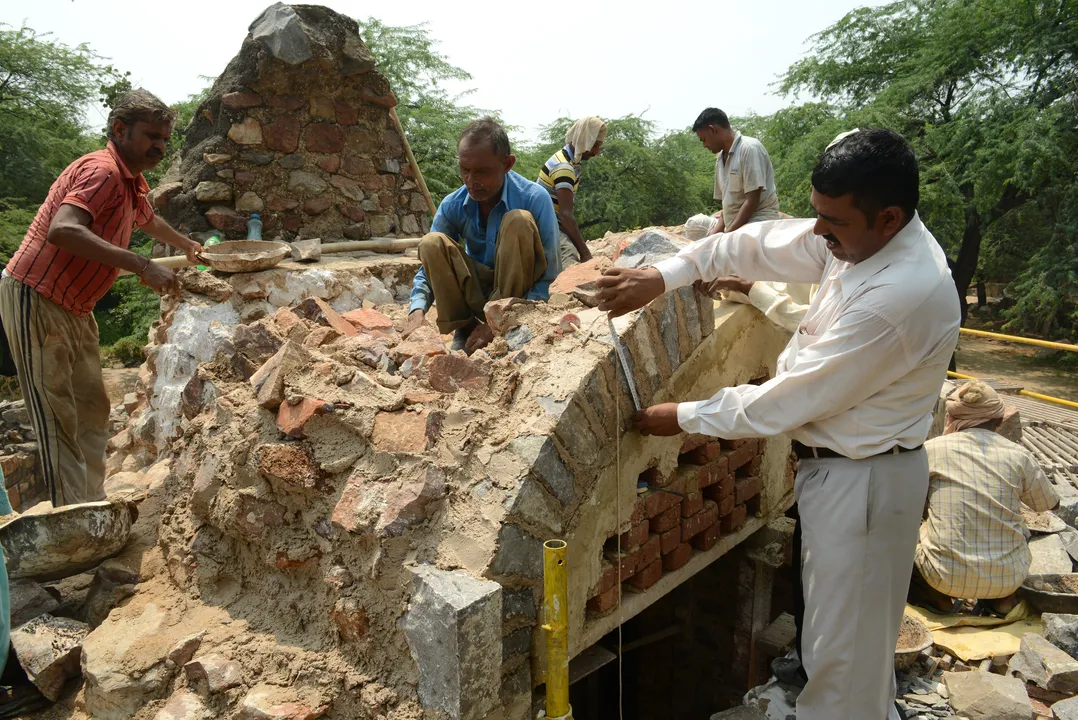
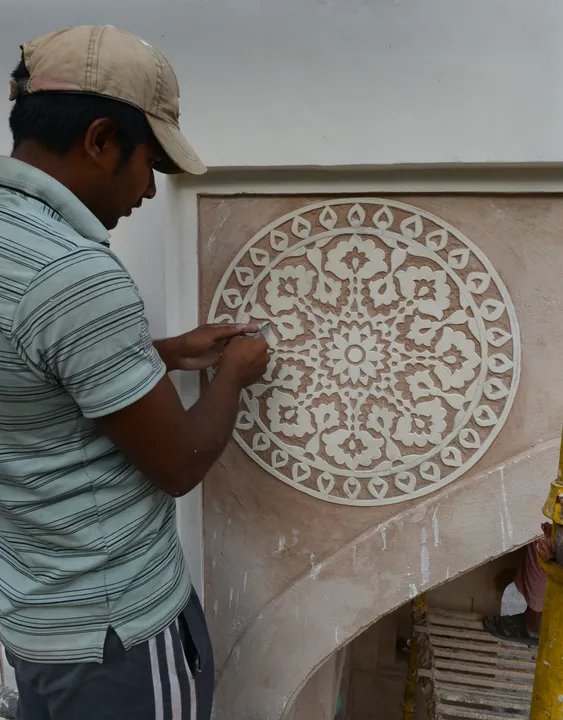
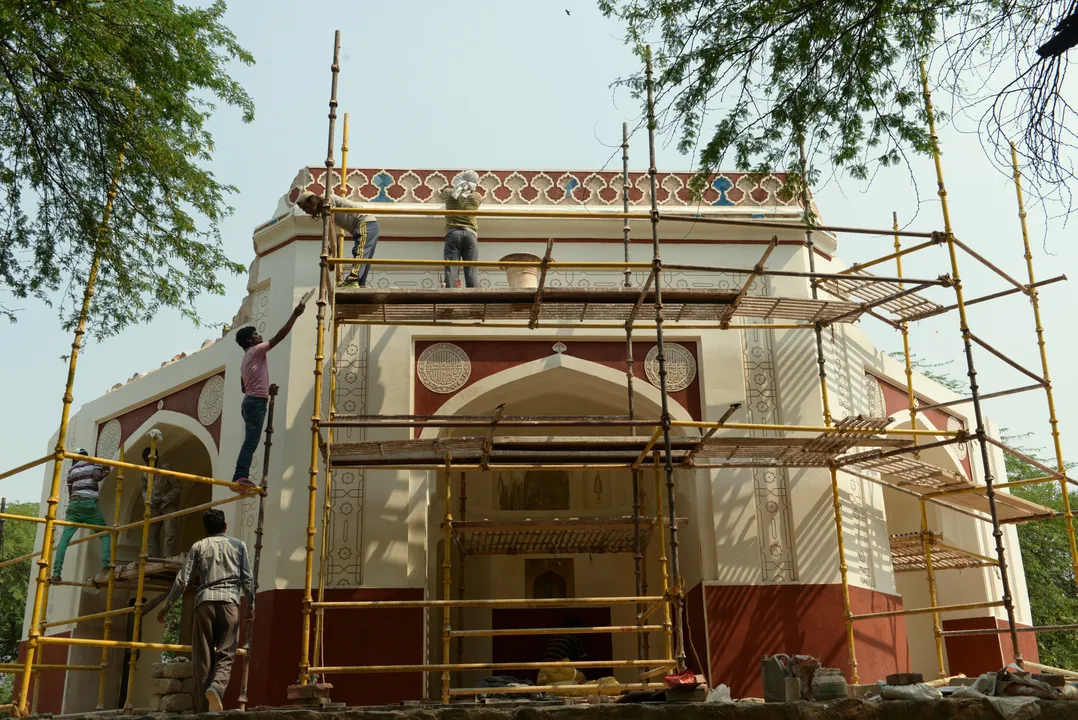
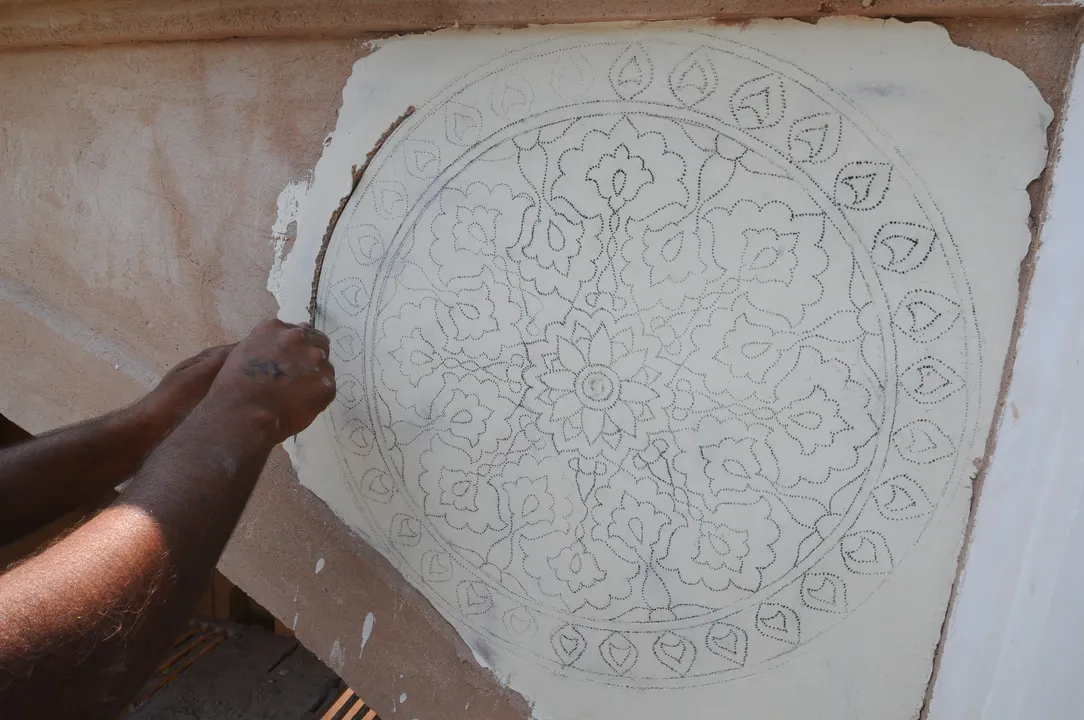
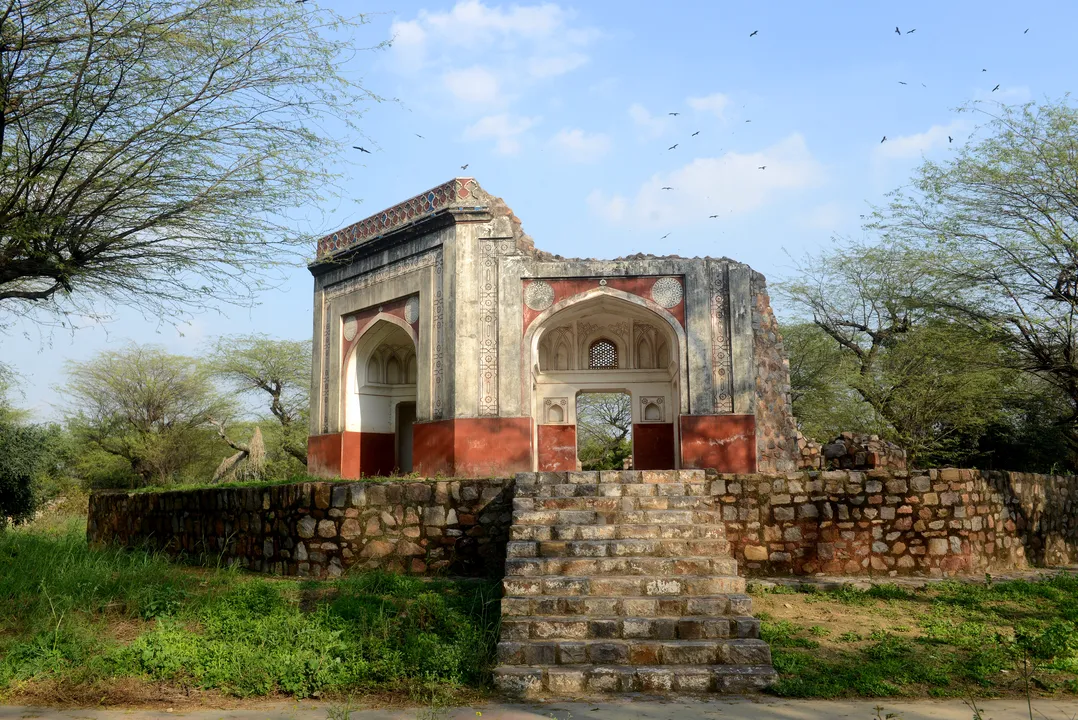
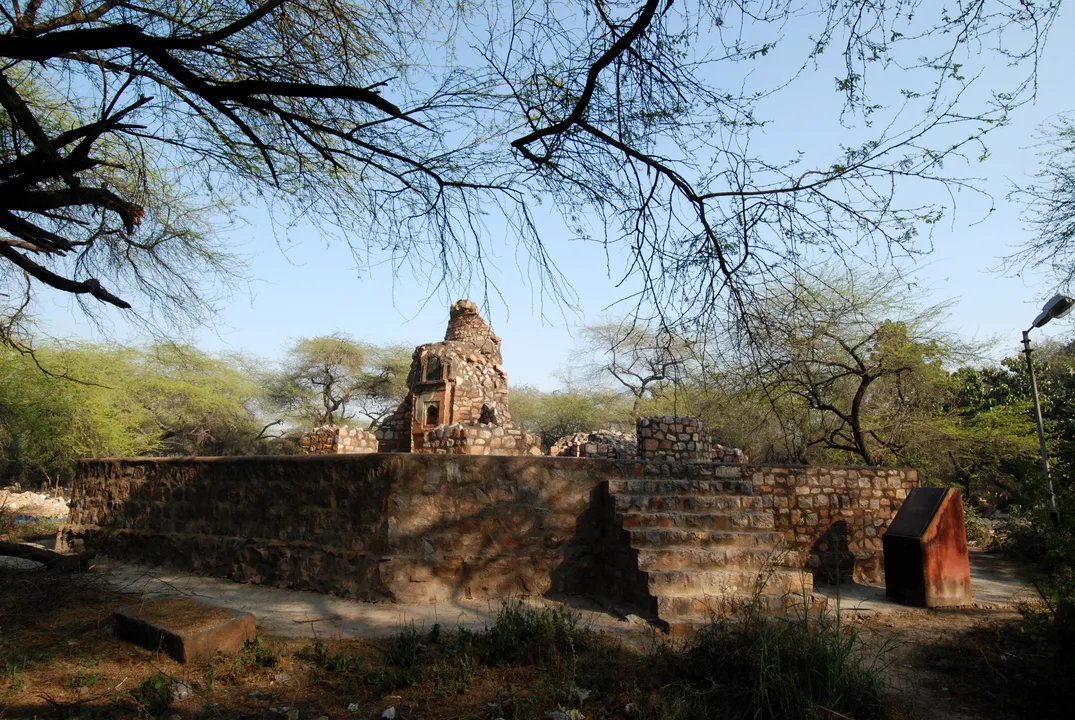
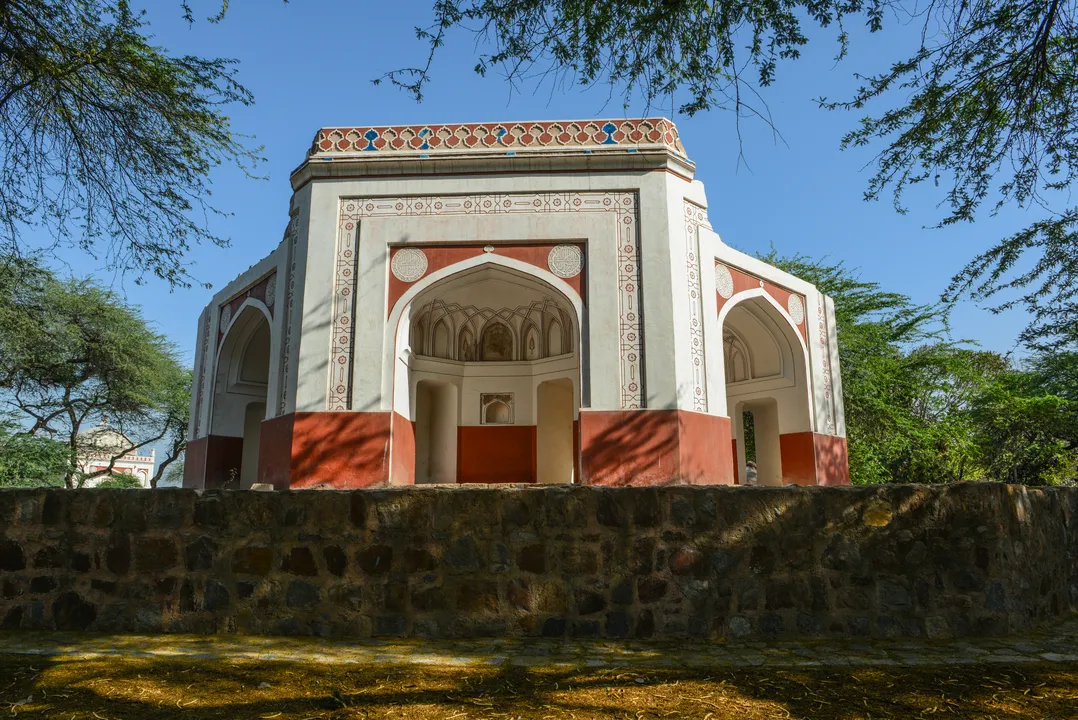
Within an enclosed garden and standing just east of Mirza Muzaffar Hussain’s mausoleum, stands the remnants of an octagonal mausoleum, known as Chhota Batashewala. It is said to have been profusely ornamented.
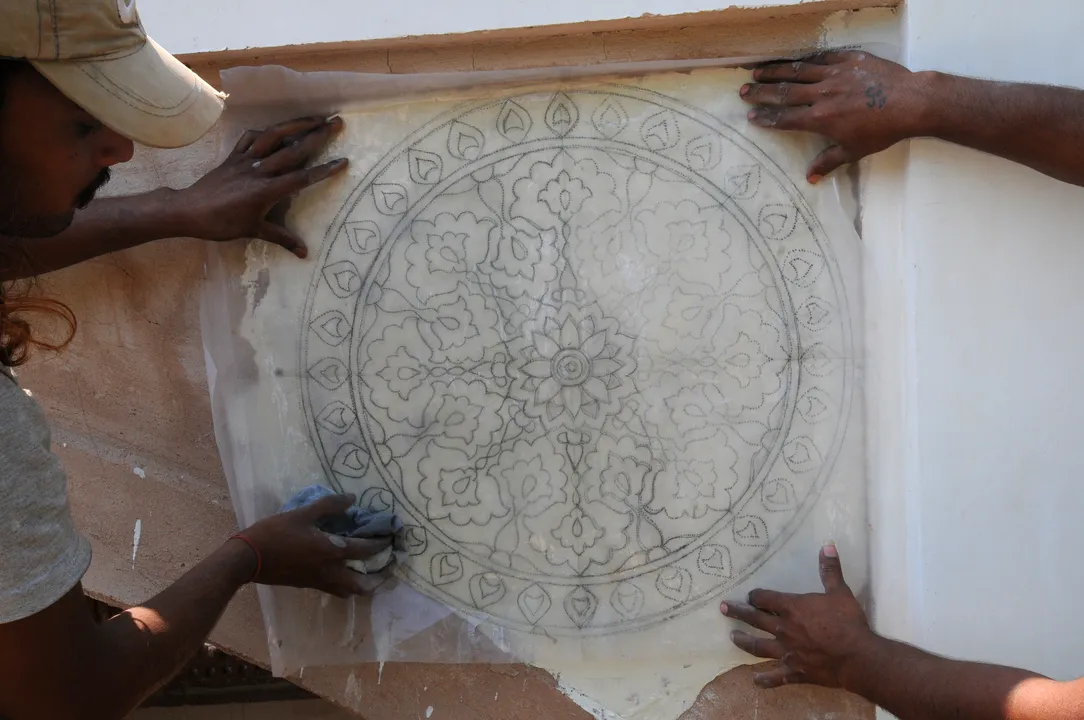
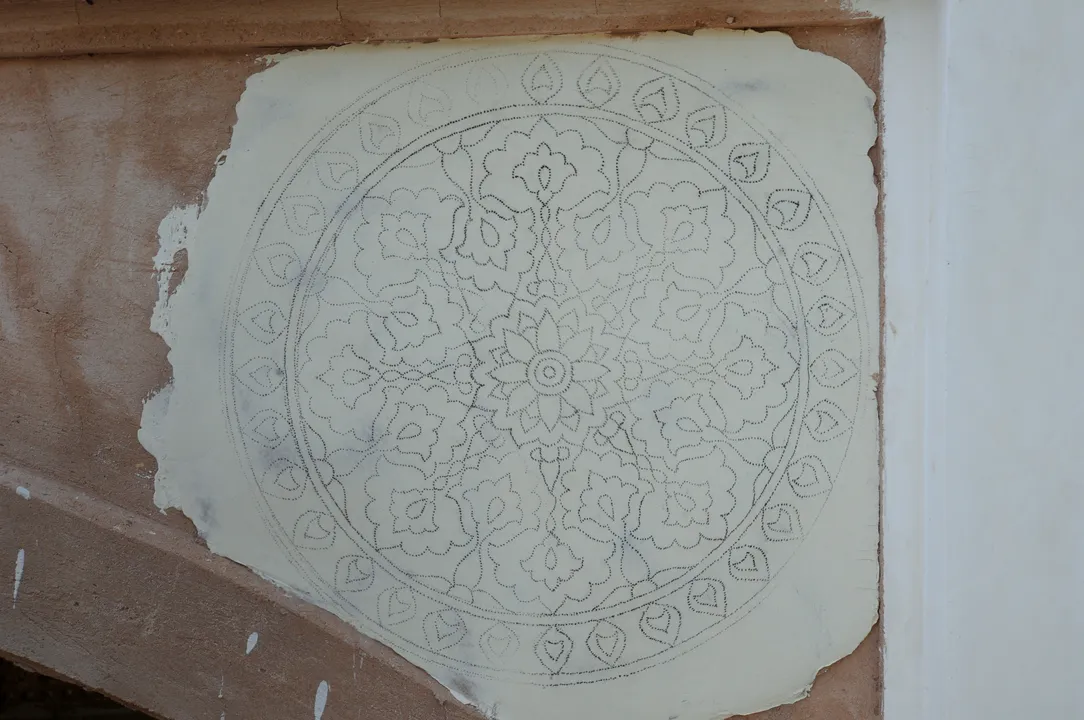
Described in the 20th century texts as “...standing on a platform some 3’ high. It consisted of a central octagonal chamber, with a surrounding arcade containing an arched opening on each of the eight sides. The central apartment was provided with four doorways, three of which were closed by stone jalli screens. The domed ceiling of the central chamber, as well as the walls inside, is ornamented by floral and geometrical patterns intermingled with Quranic inscriptions in incised plaster.”
Described in the 20th century texts as “...standing on a platform some 3’ high. It consisted of a central octagonal chamber, with a surrounding arcade containing an arched opening on each of the eight sides. The central apartment was provided with four doorways, three of which were closed by stone jalli screens. The domed ceiling of the central chamber, as well as the walls inside, is ornamented by floral and geometrical patterns intermingled with Quranic inscriptions in incised plaster.”