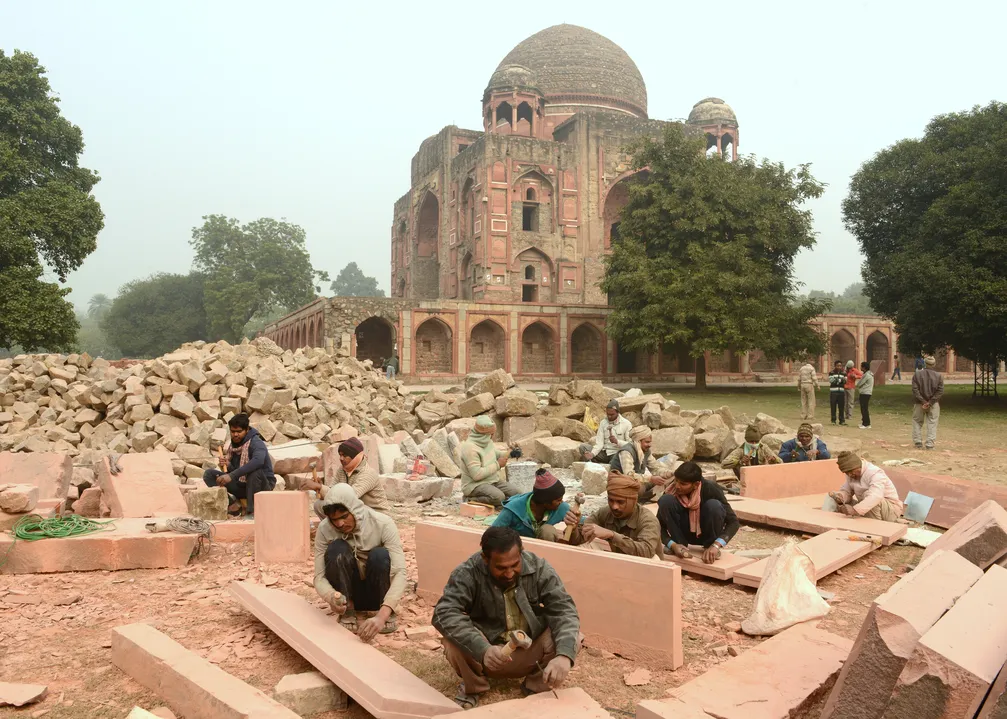
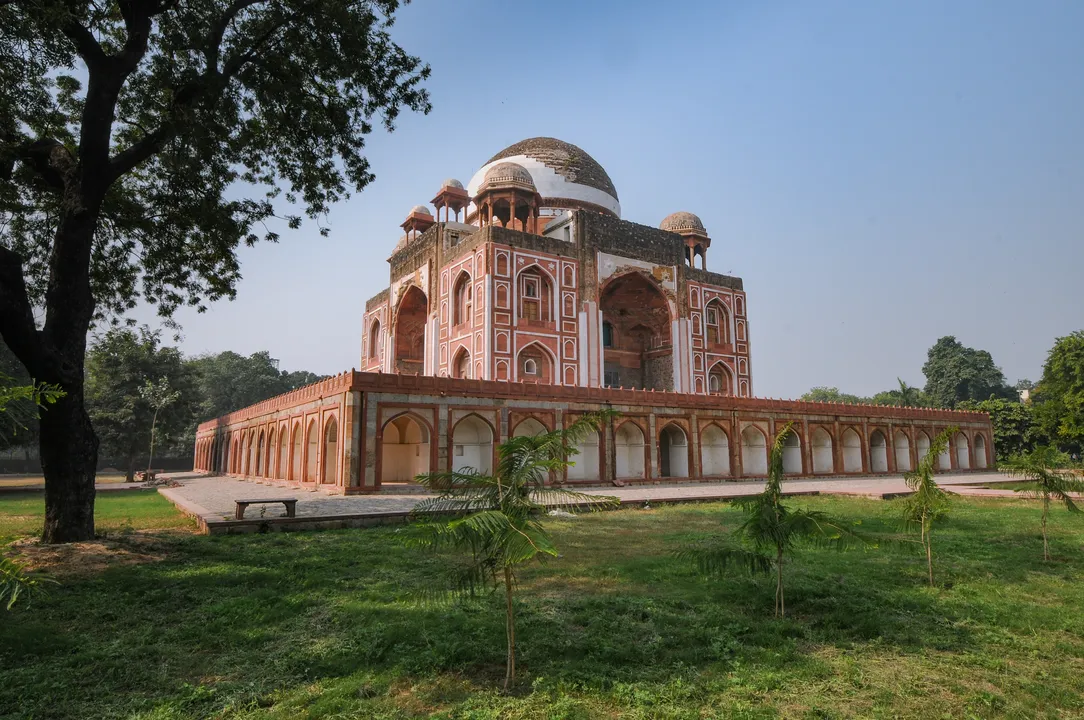
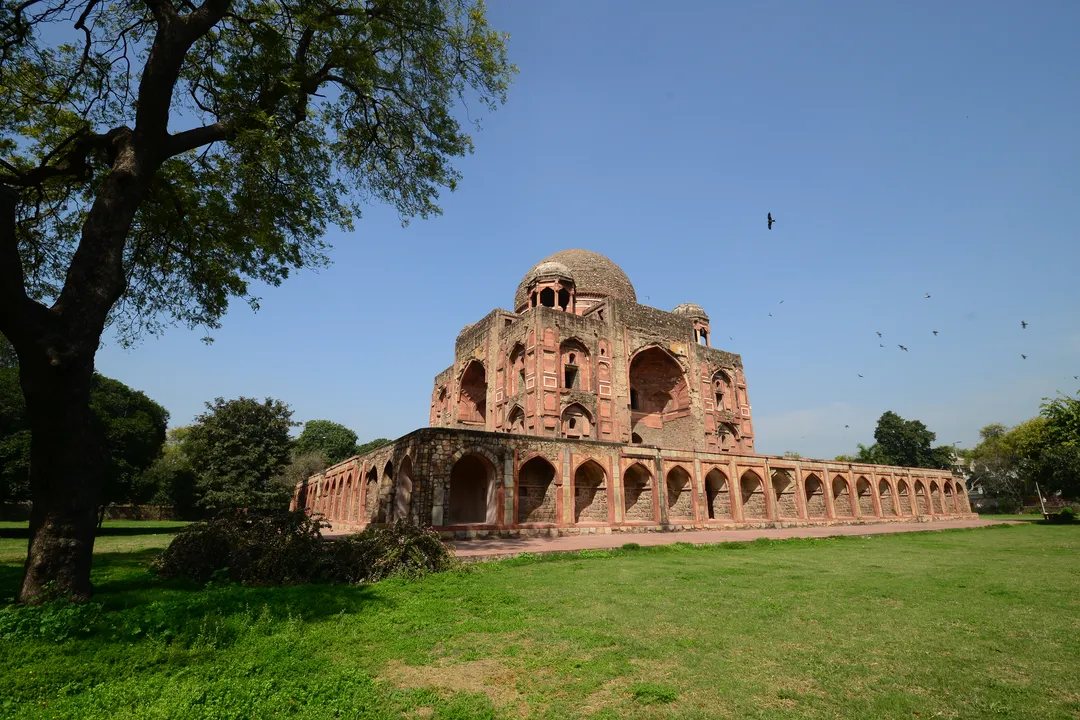
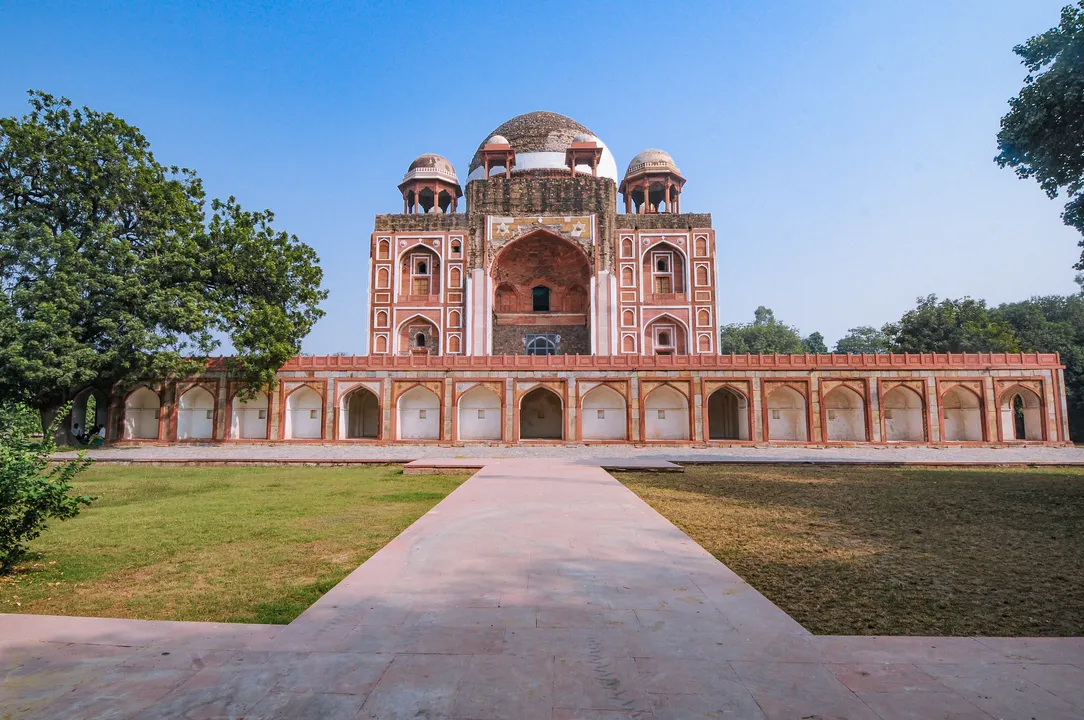
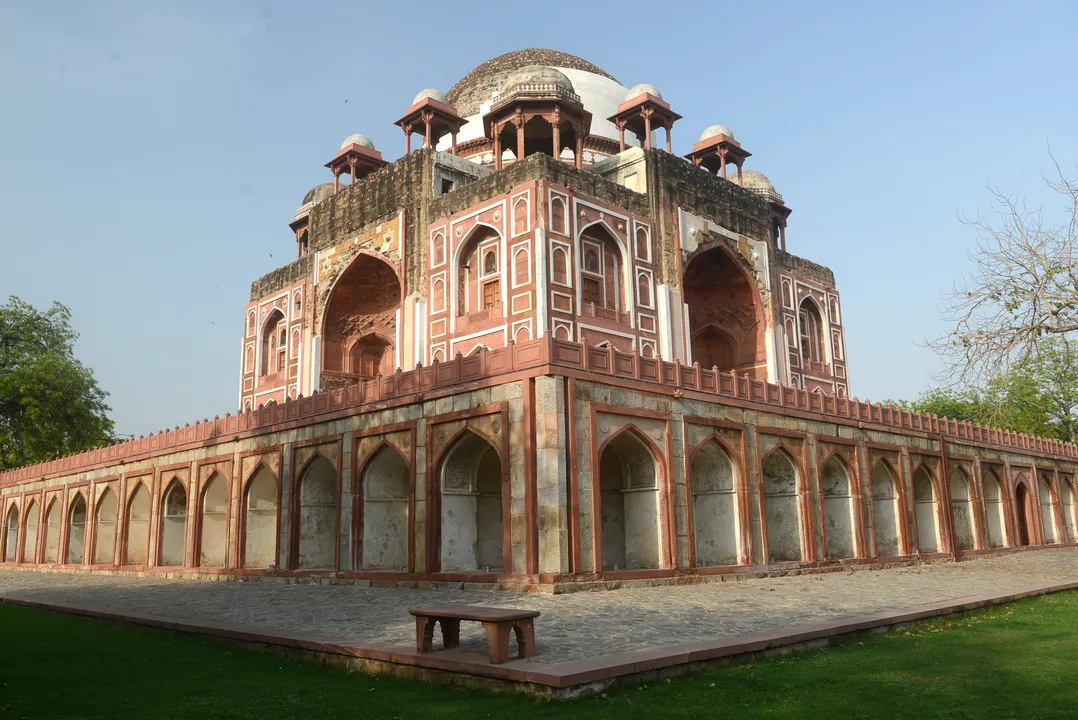
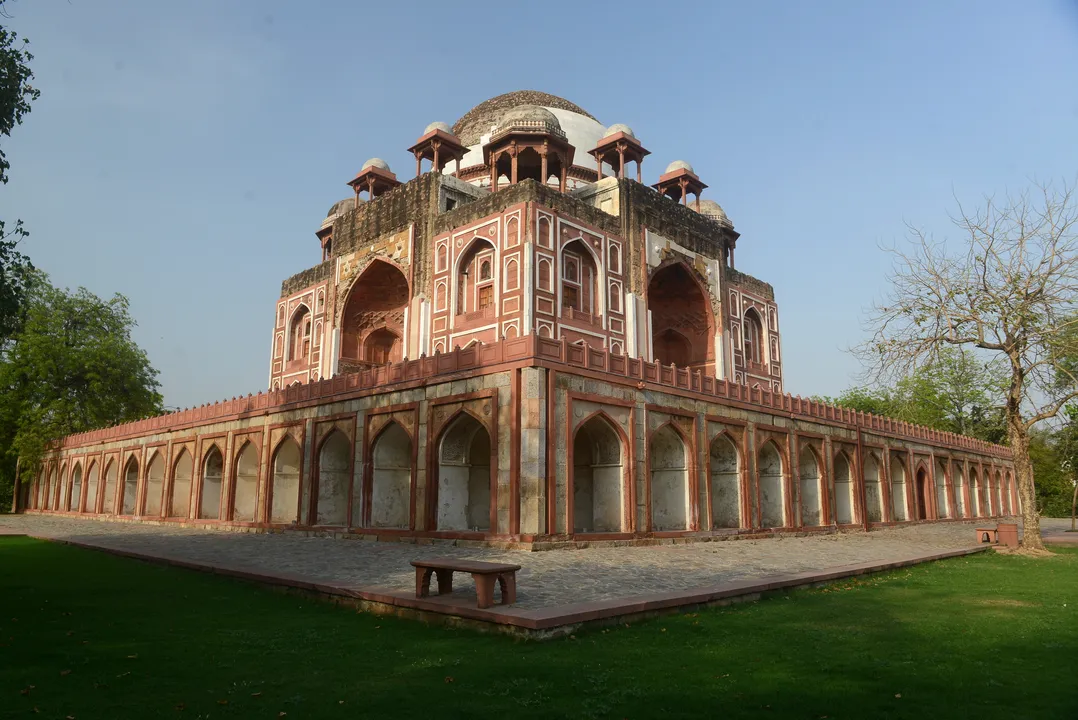
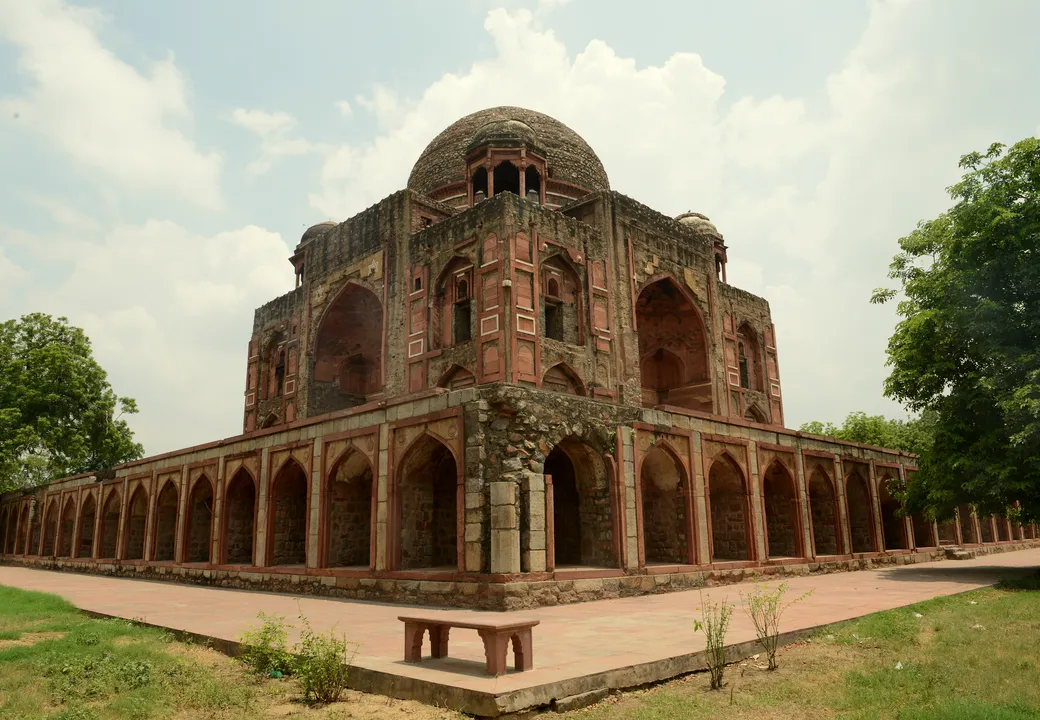
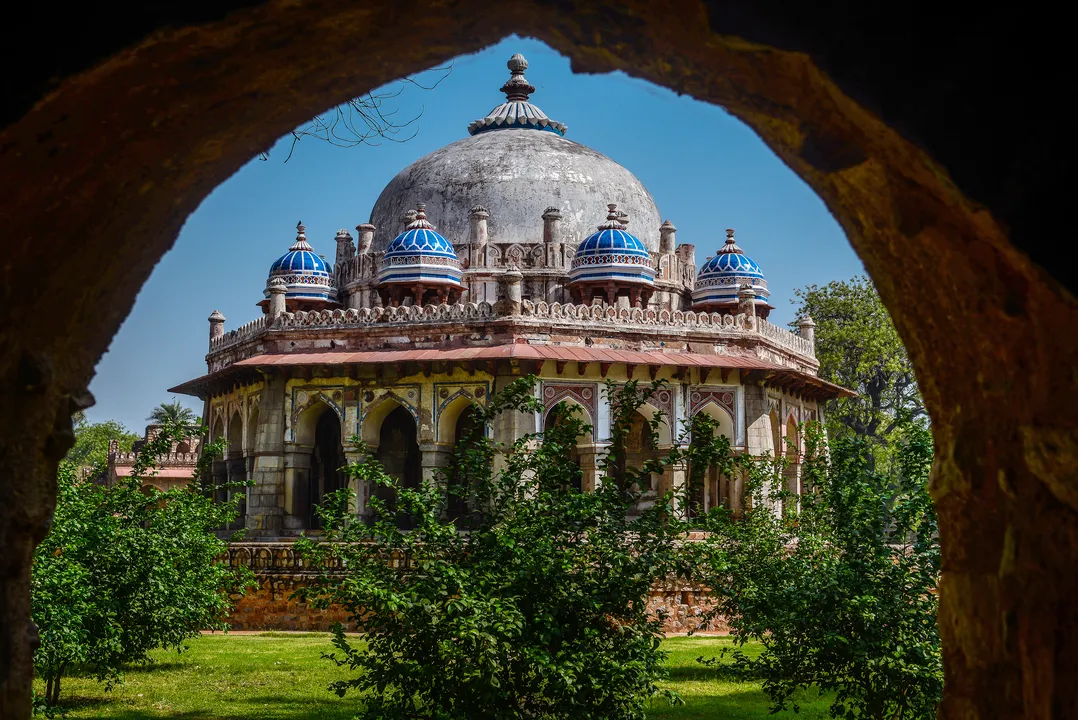
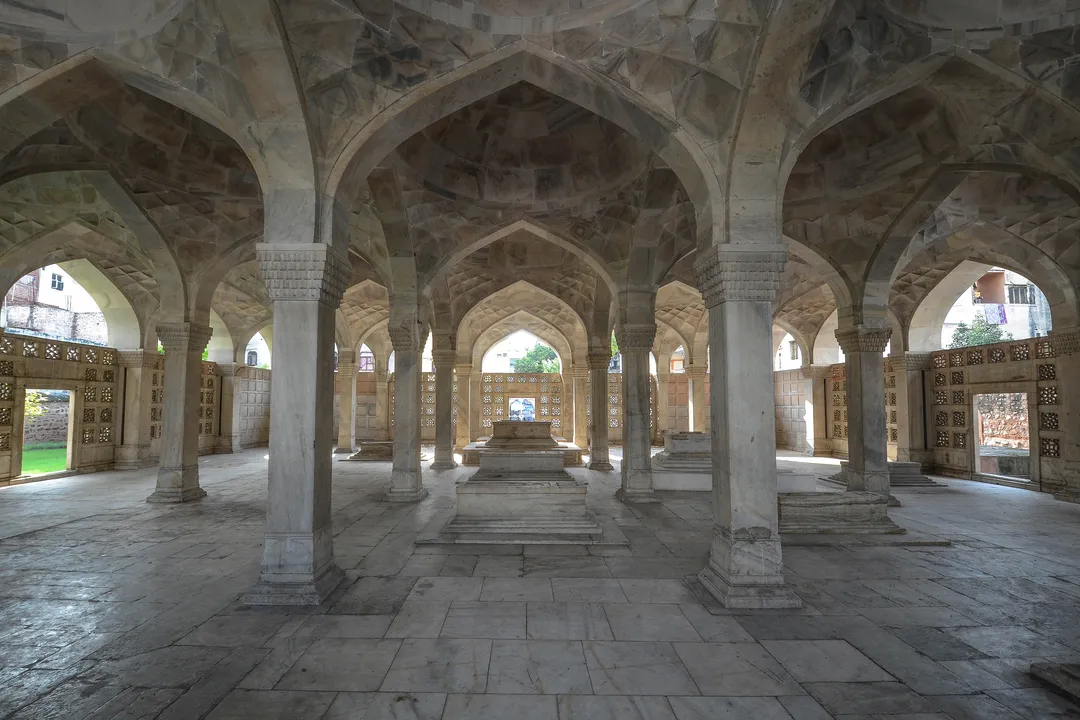
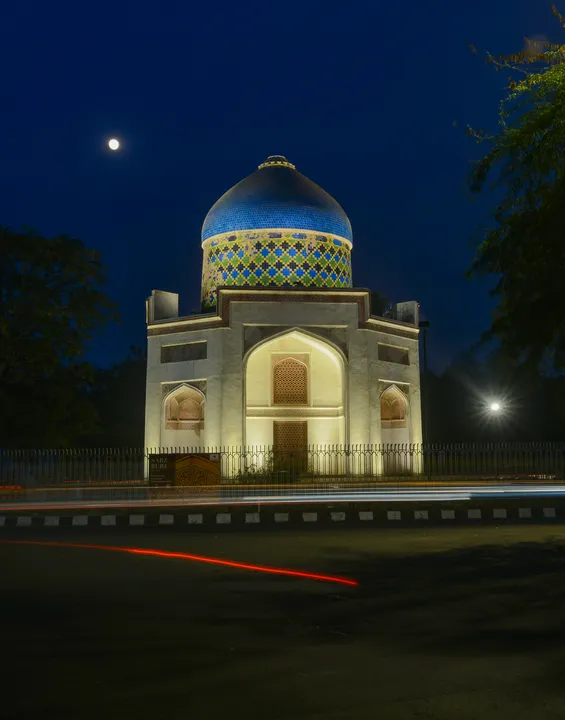
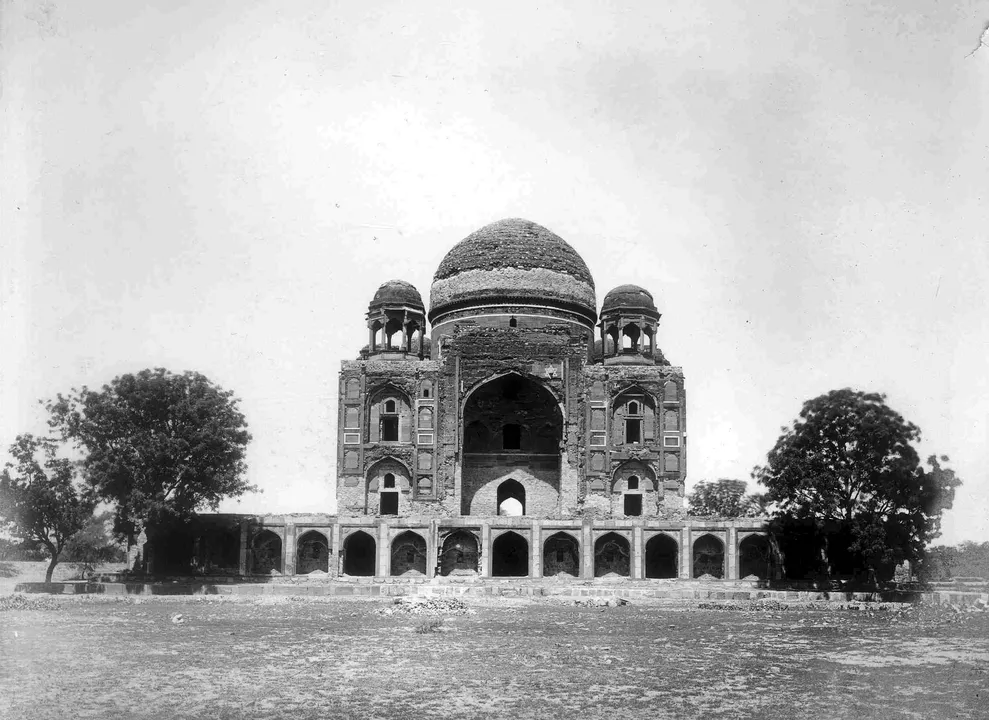
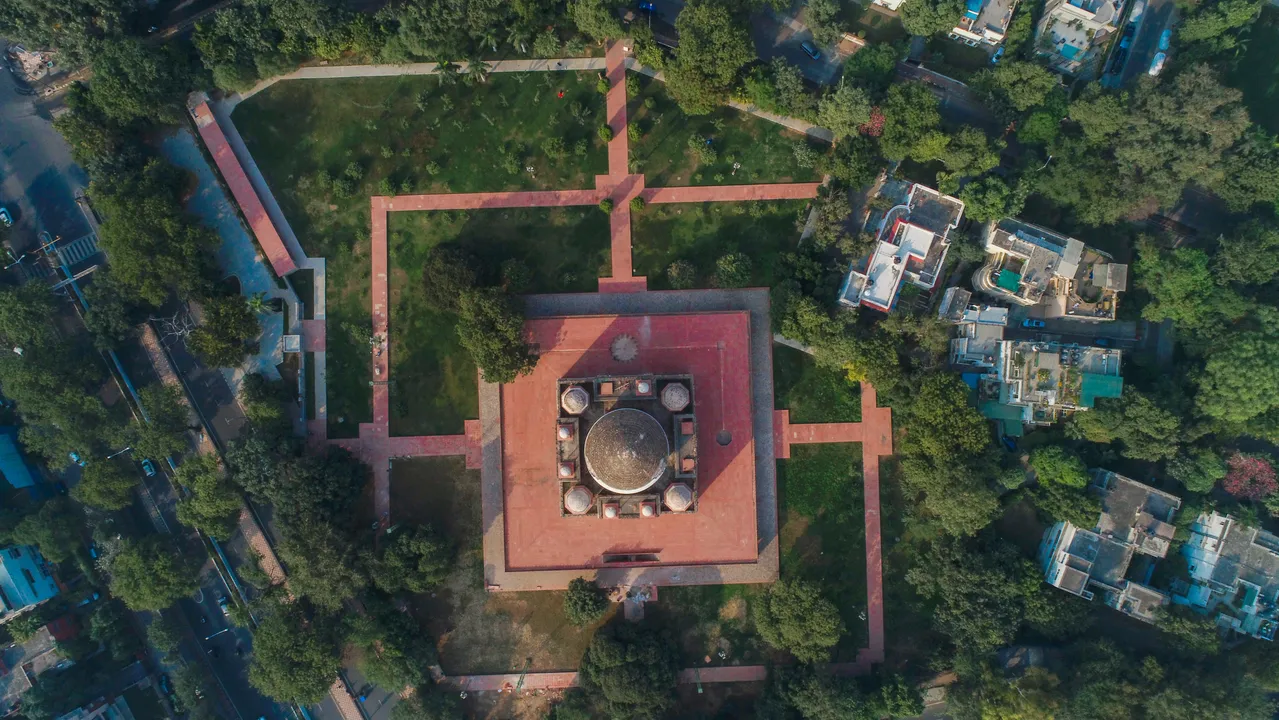
Though built on a grand scale, with quartzite stone masonry walls clad with sandstone and marble,
the
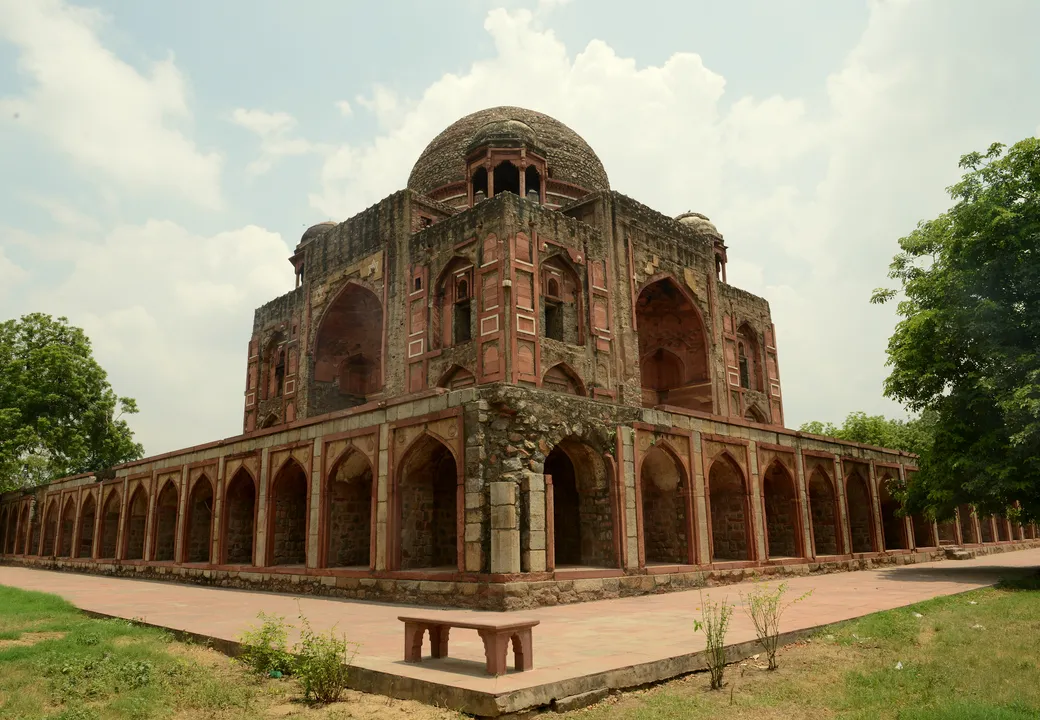
mausoleum had some structurally weak elements. Possibly by the 18th century, stone cladding fell
away in
parts.
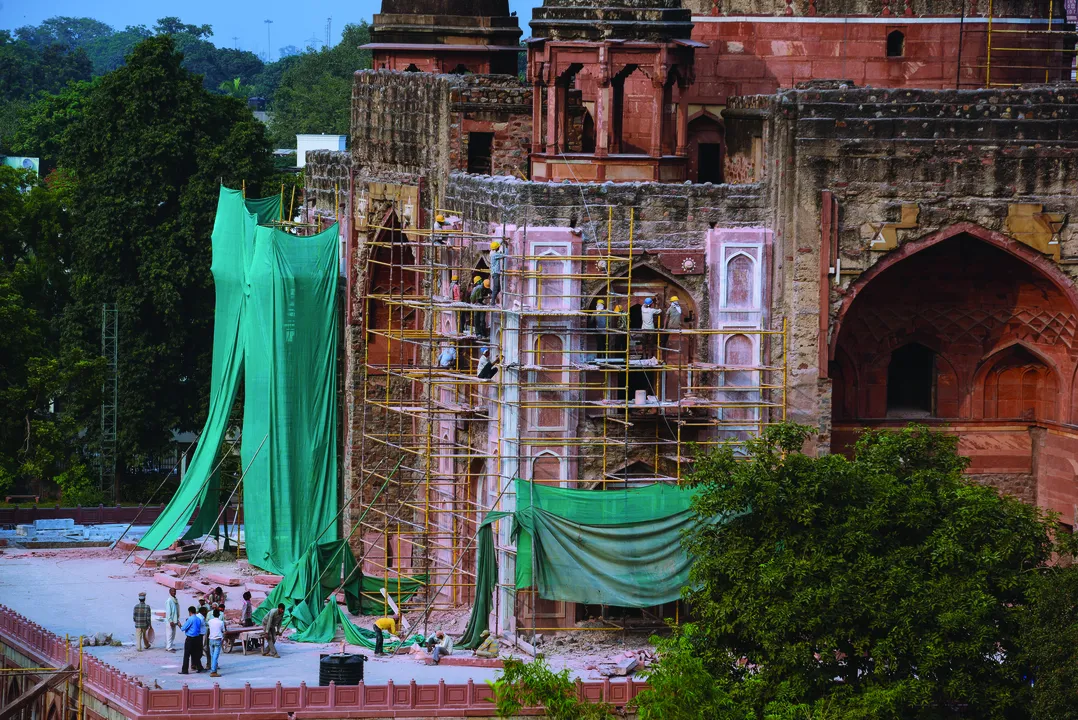
To ensure structural stability of standing portions, the stone was required to be restored to the
base
of the
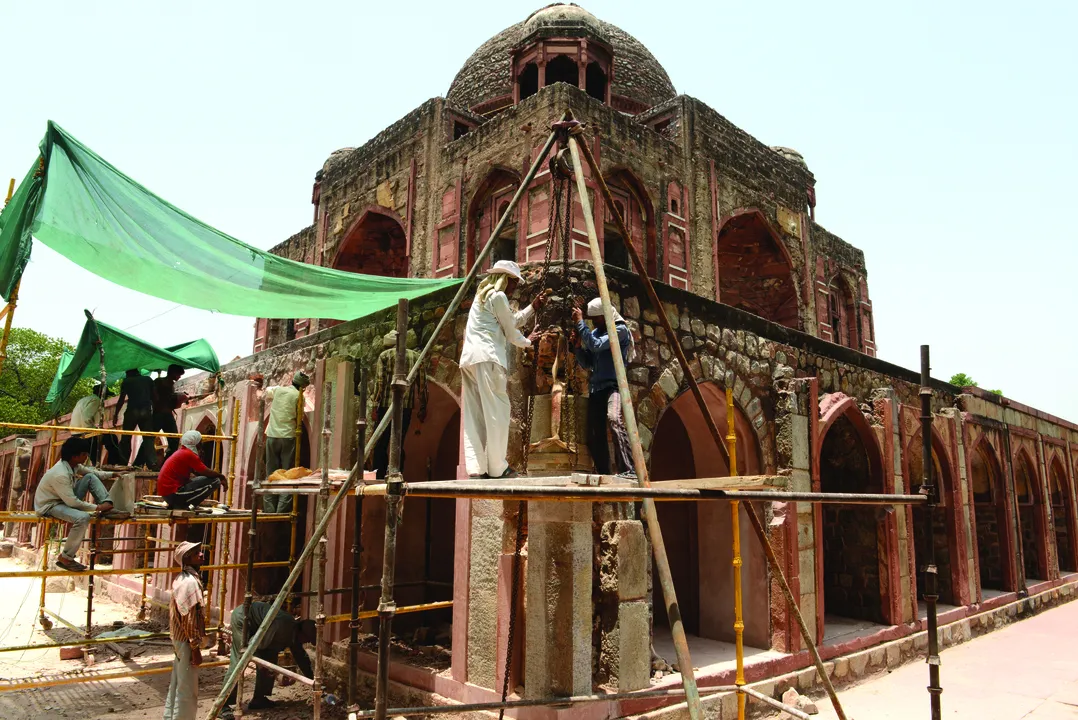
dome and to the façade where evidence of design had survived. Anastylosis of two canopies was
possible
with
stone elements found at site. The sandstone terrace together with the sandstone parapet has now been
restored, as has the building’s plinth to its original levels and material—thus stabilizing the
exposed
foundations.
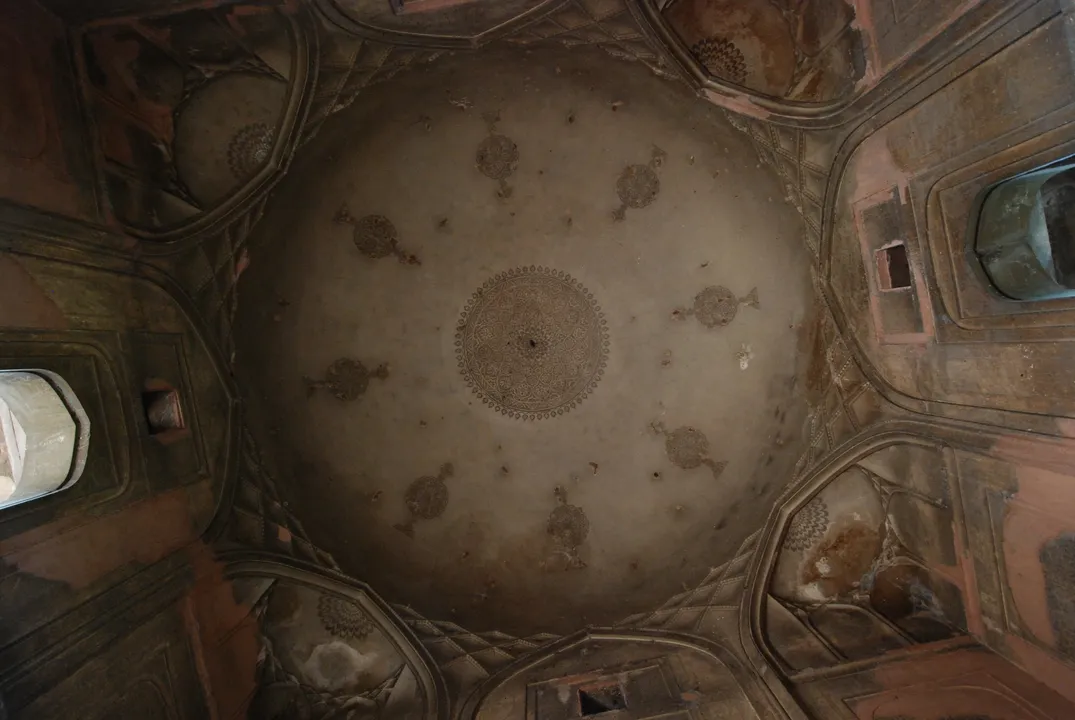
1. Dome
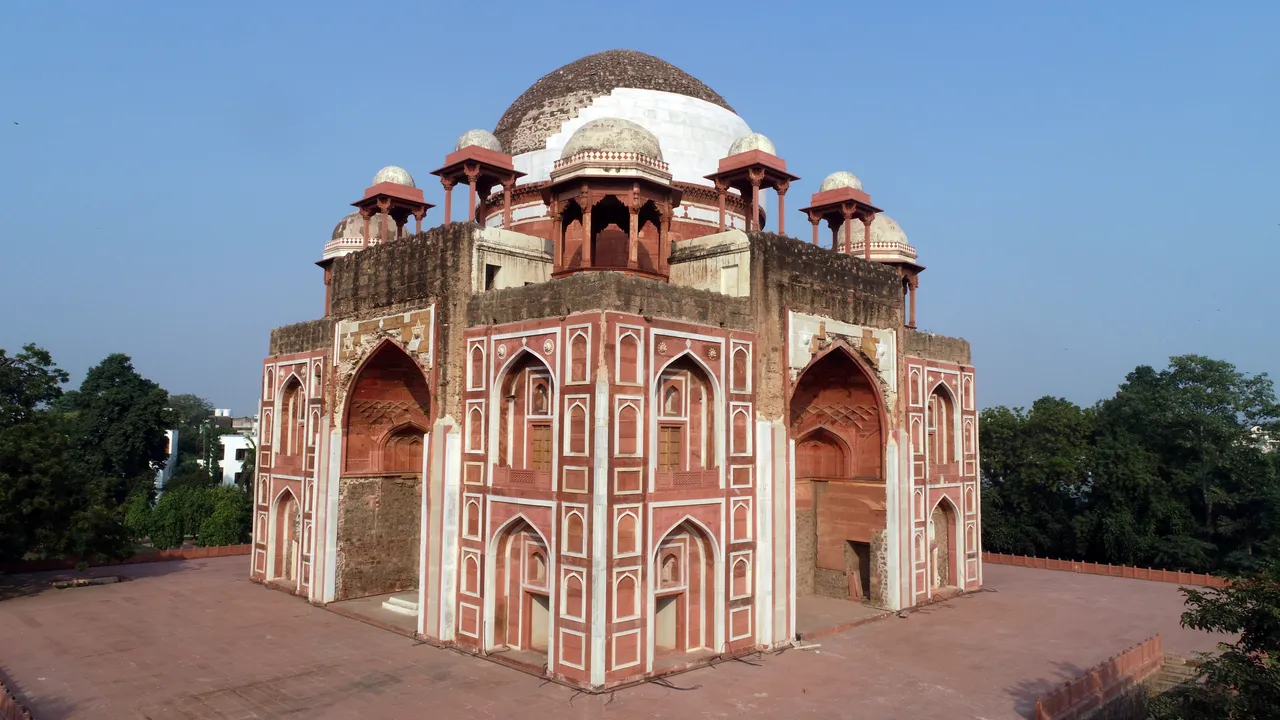
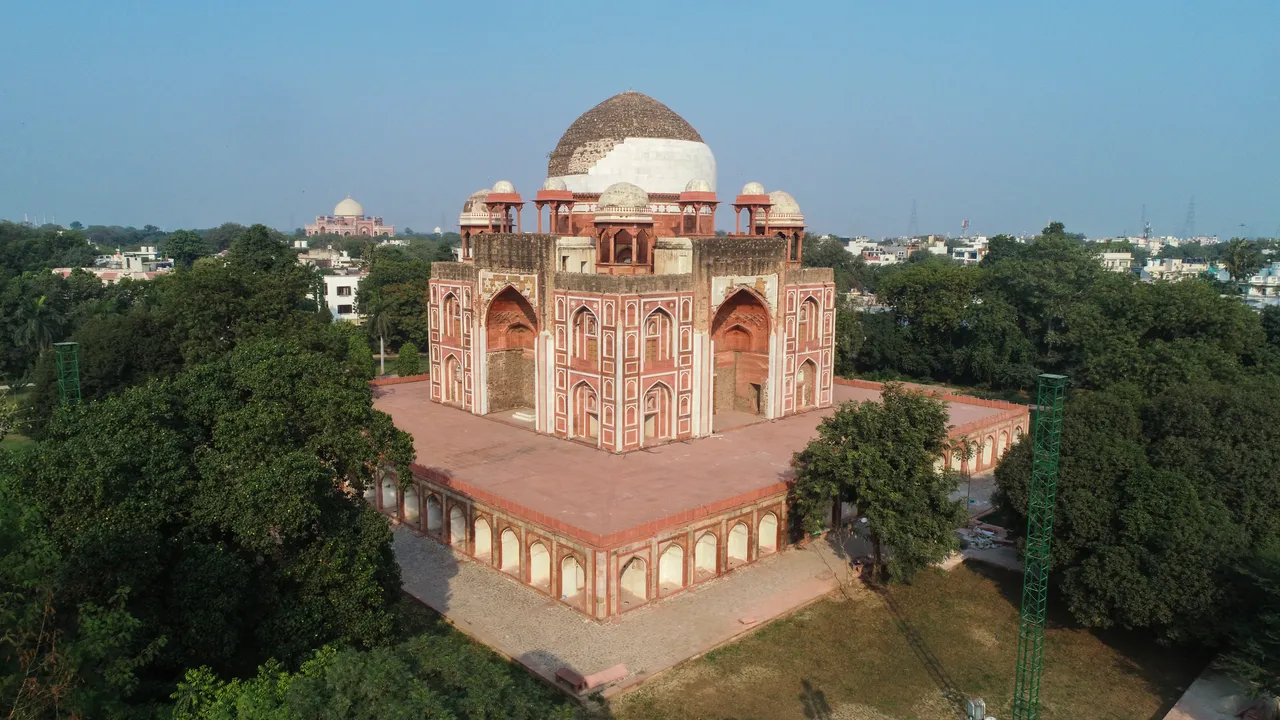
The tomb is crowned with a double dome, where the outer dome would have originally been clad with
marble,
serving as a protective layer for the underlying masonry.
Following a detailed assessment and studies by a structural engineer and the ASI-AKTC committee,
conservation
works were undertaken, which included re-plastering. A symbolic addition of marble has been restored
to
the
dome as an indication of the original builder’s intention.
2. Canopies
The four corners of the roof have large octagonal canopies that stand on a raised platform. Layers
of
cement
plaster and concrete had disfigured their original profiles and significant decorative elements.
These cement layers have been carefully removed and replaced with traditional lime mortar, and
missing
decorative elements have been restored where evidence was found.
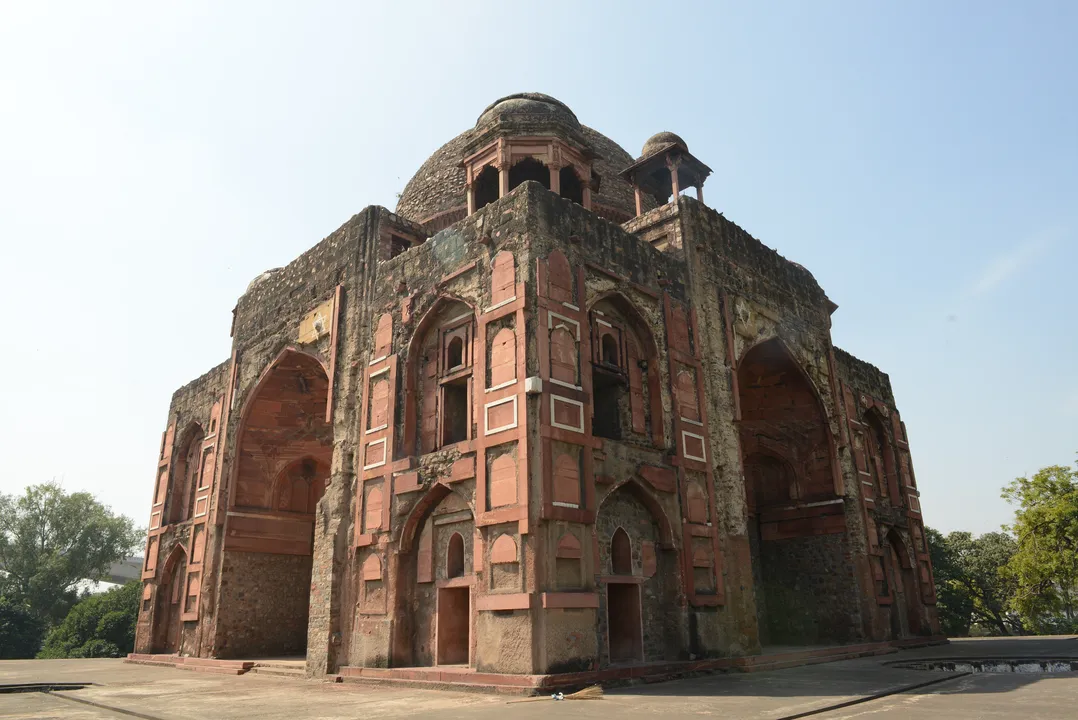
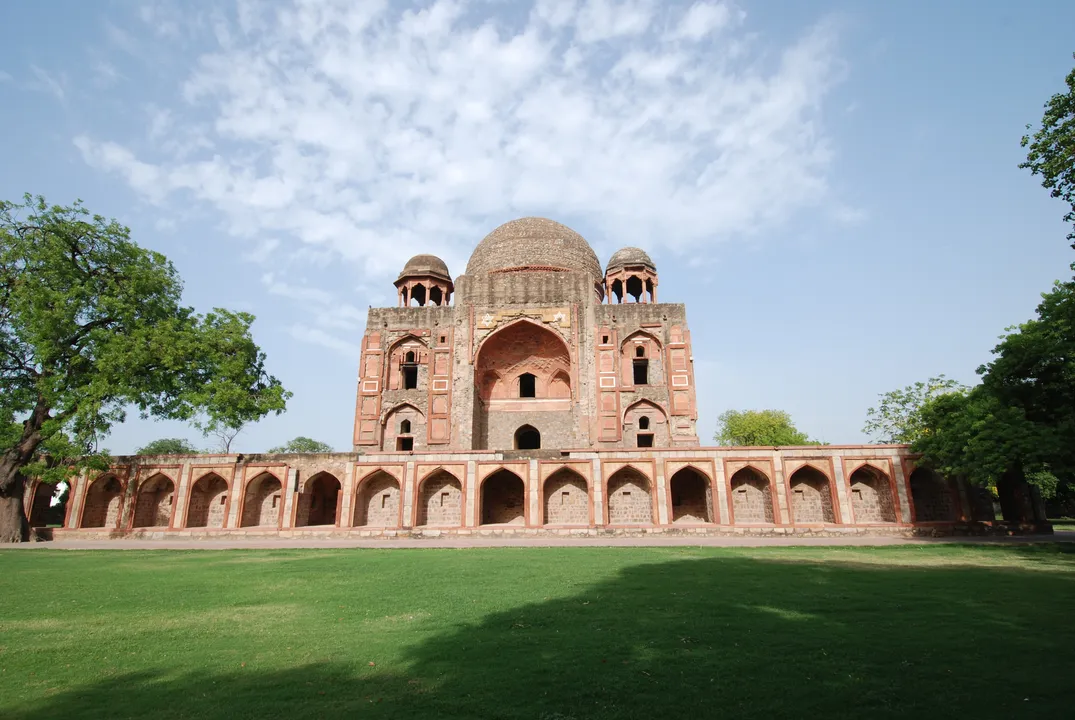
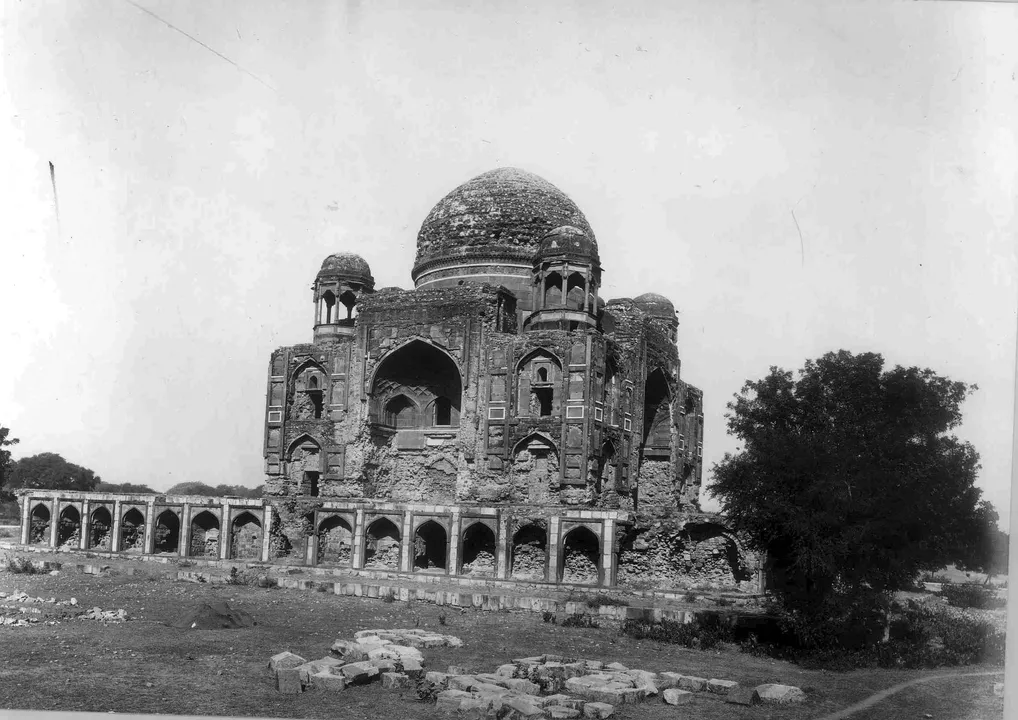
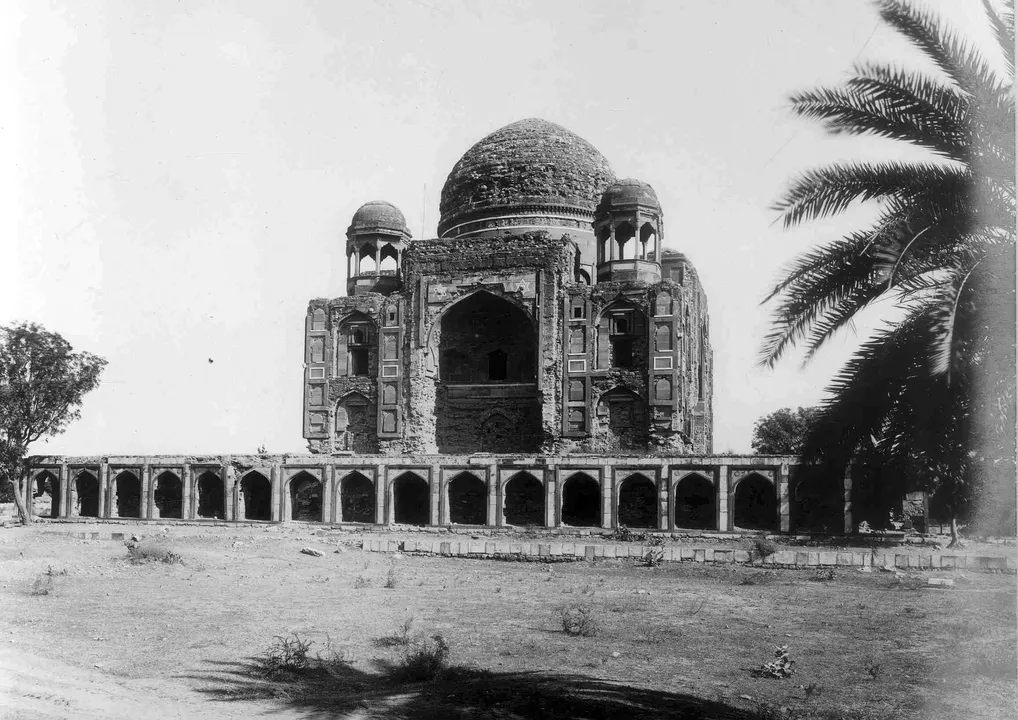
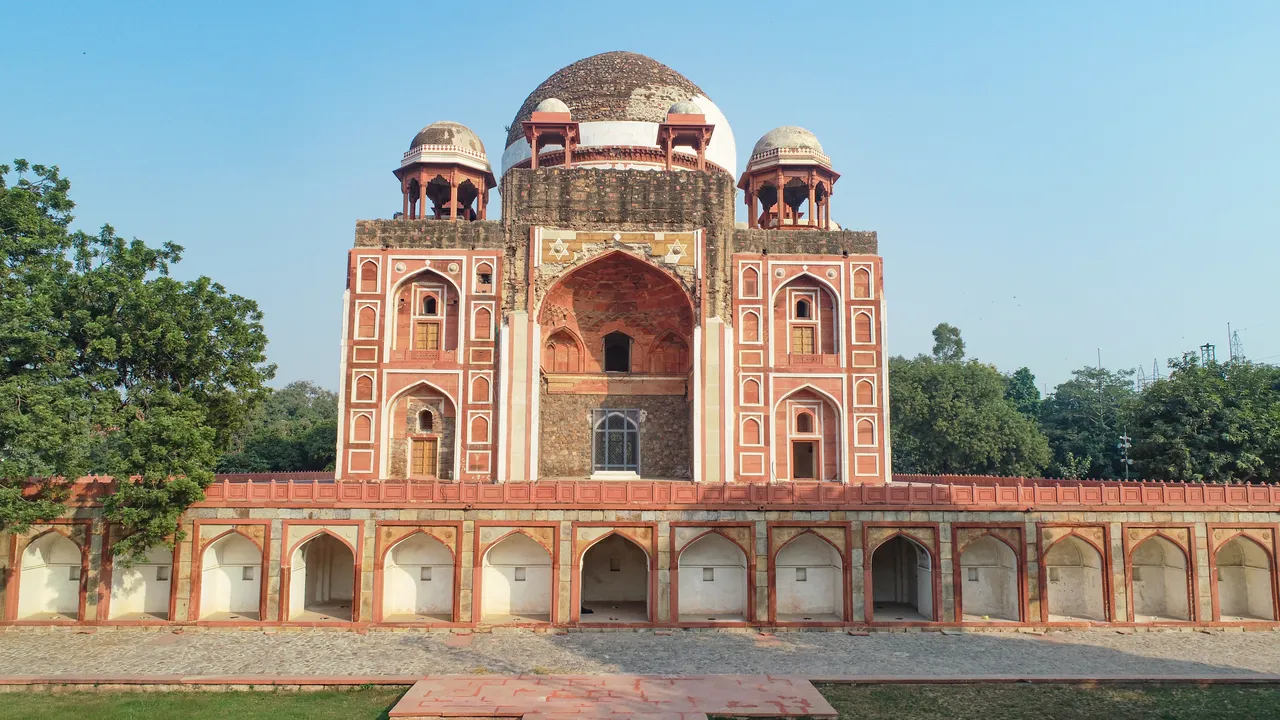
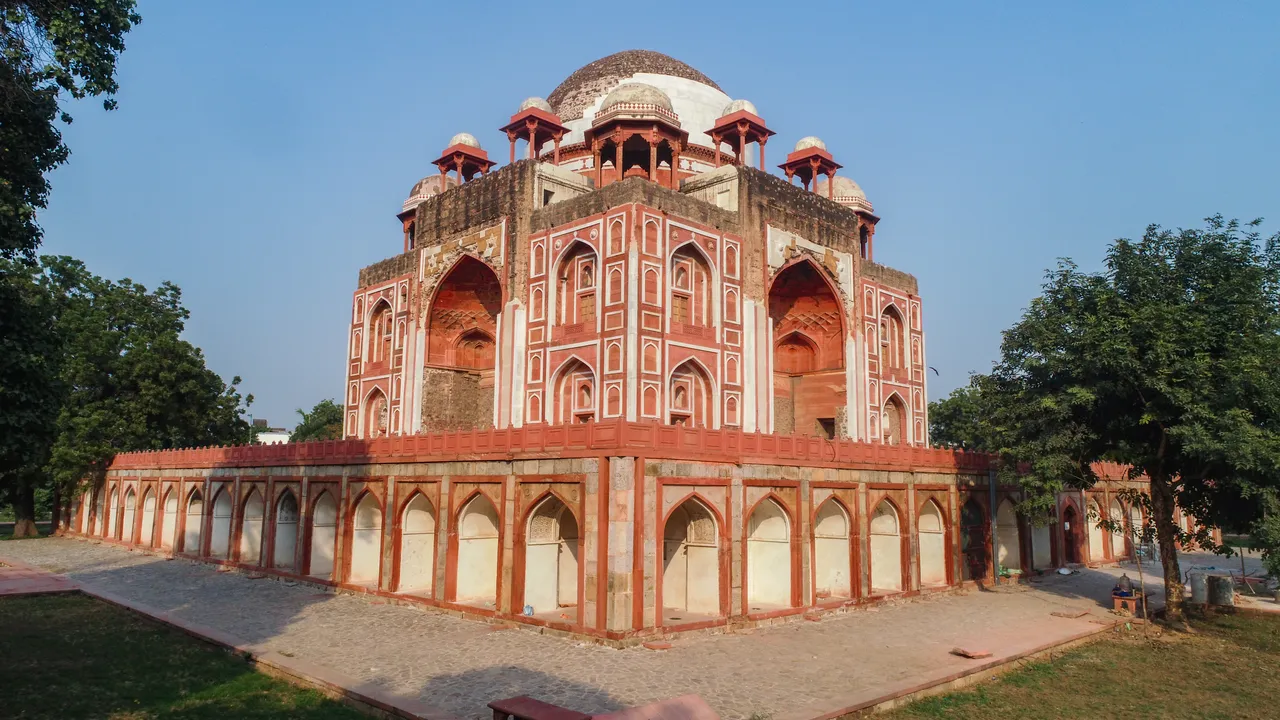
3. Main Façade
A combination of poor construction, neglect, and vandalism in the 20th century seems to have led to
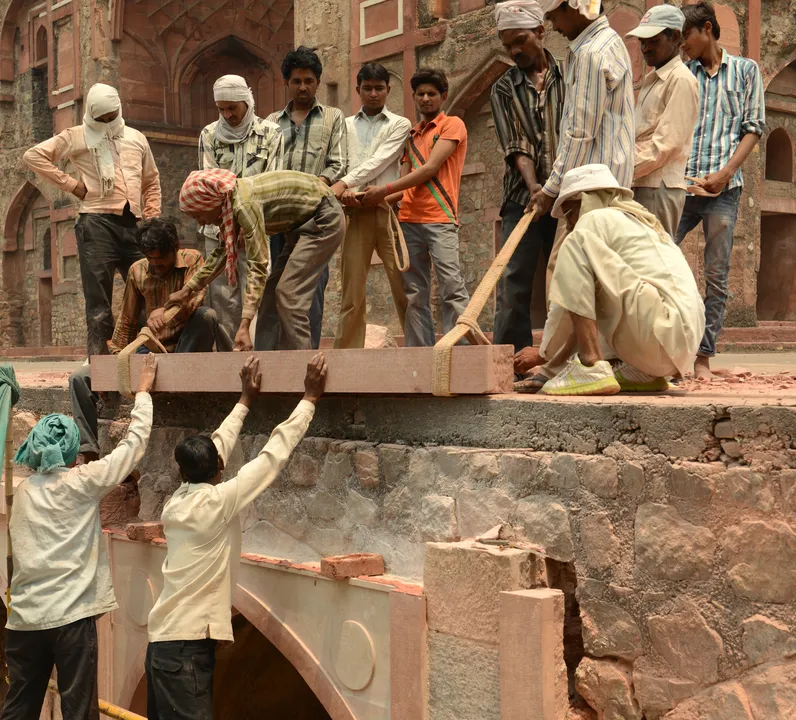
significant deterioration and the loss of large portions of stone from Rahim’s Tomb.
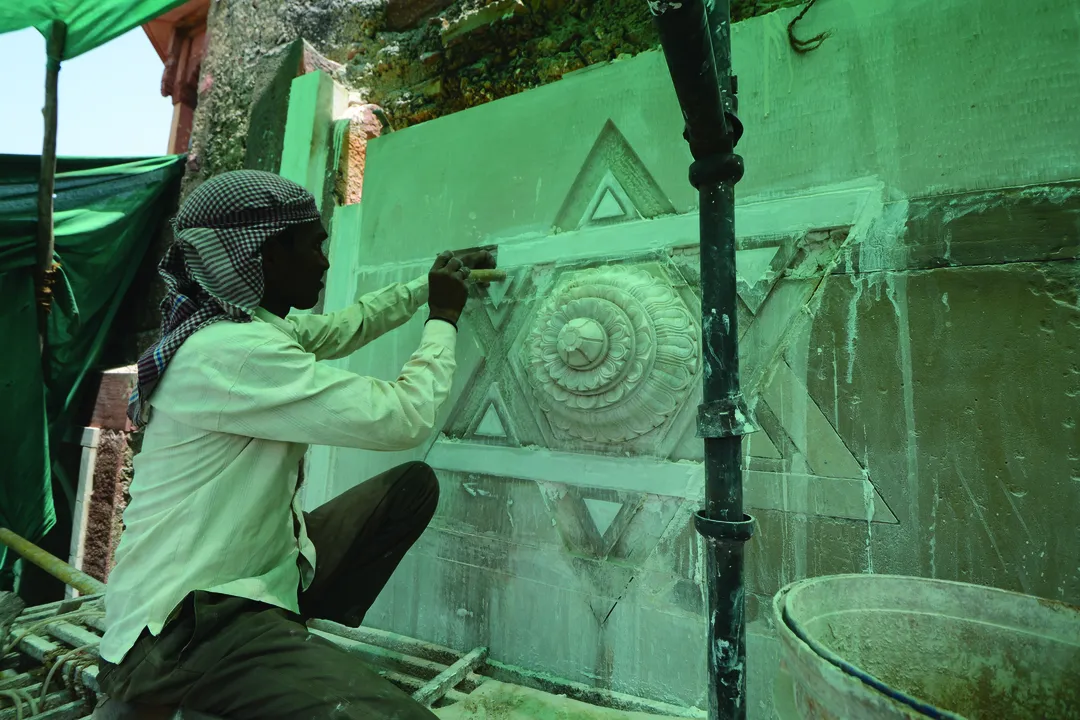
Conservation measures have combined traditional knowledge with scientific analysis to restore the
façade.
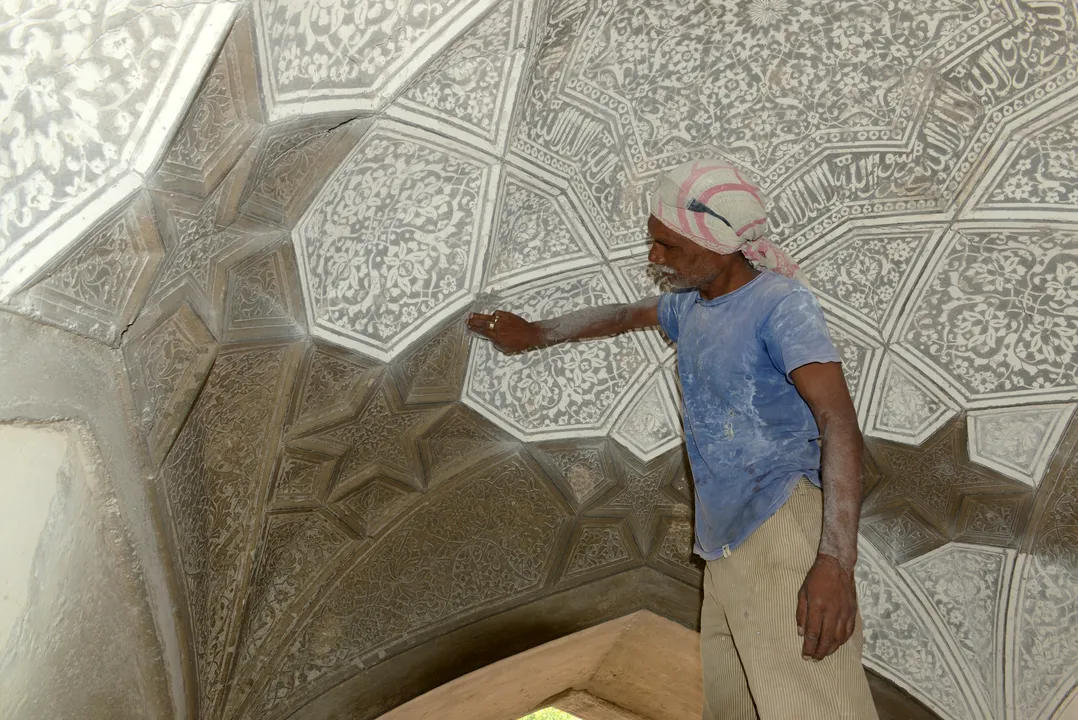
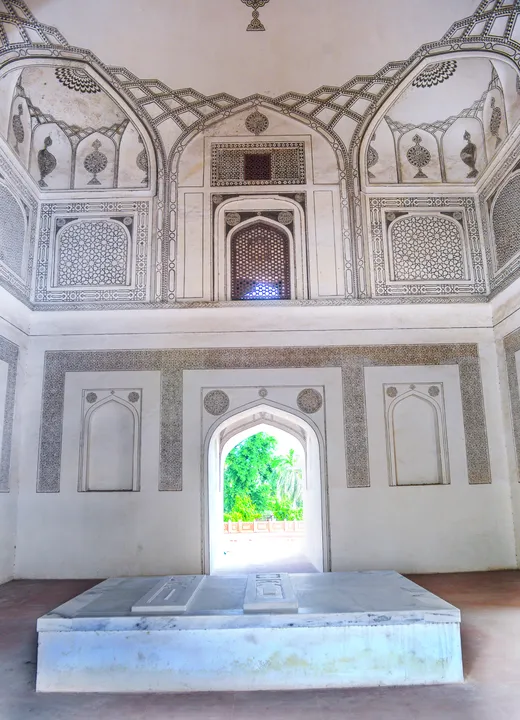
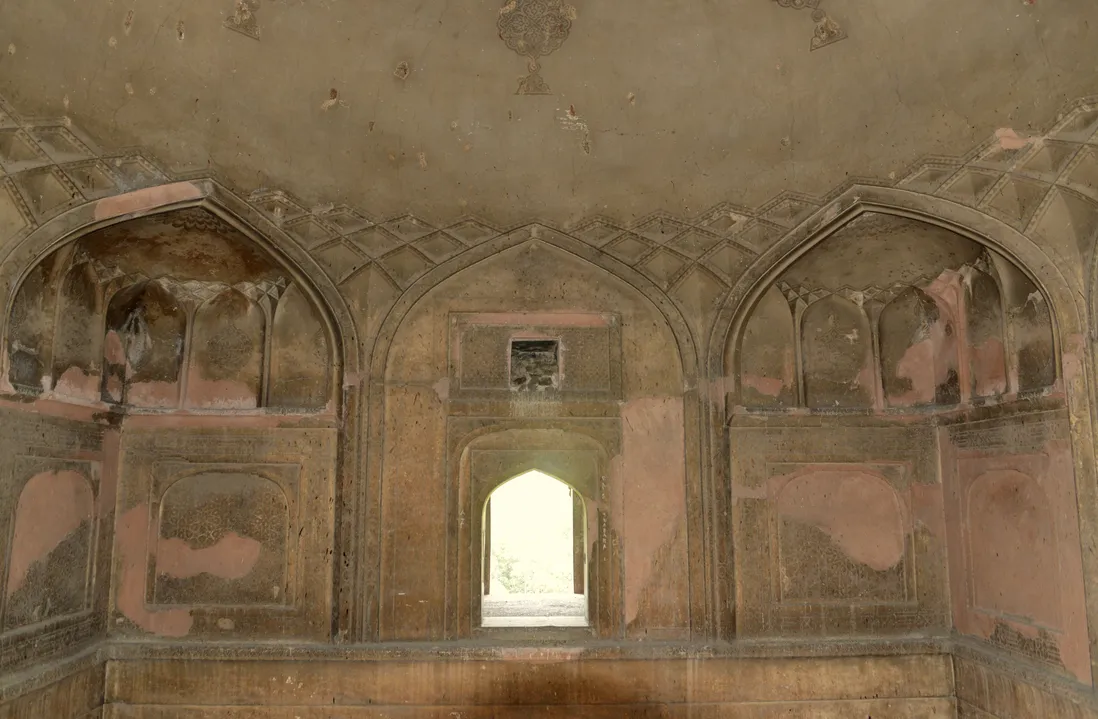
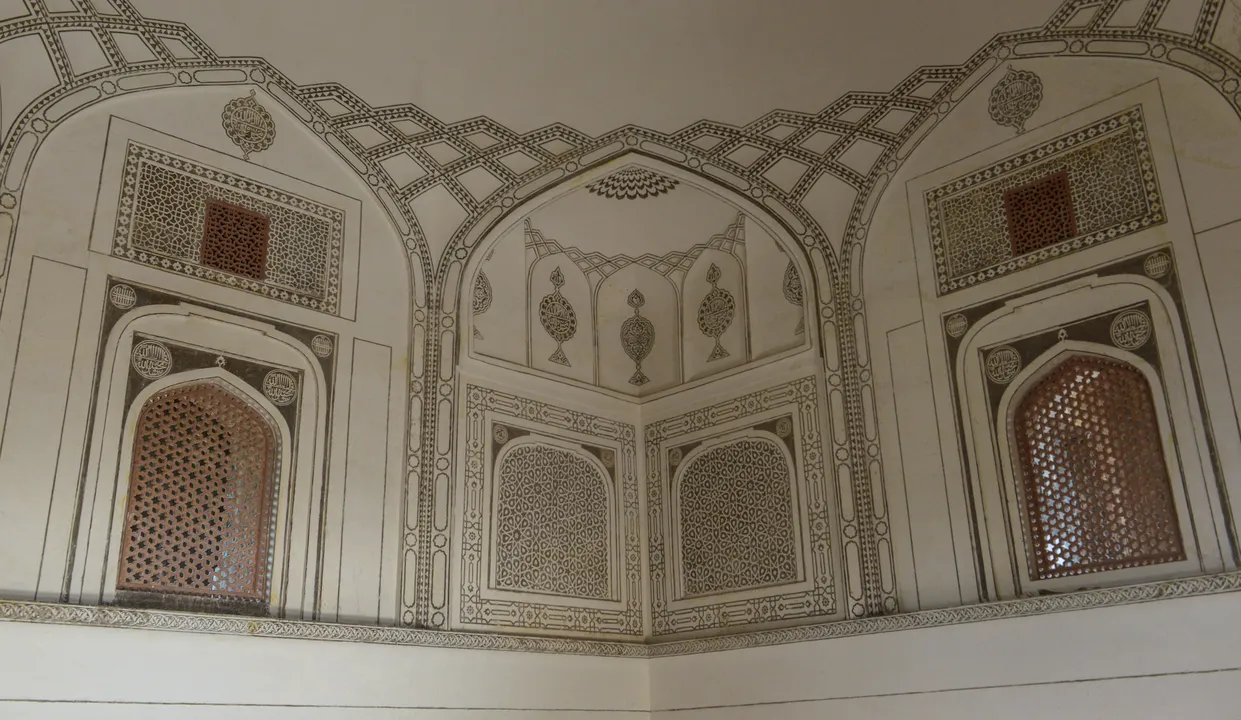
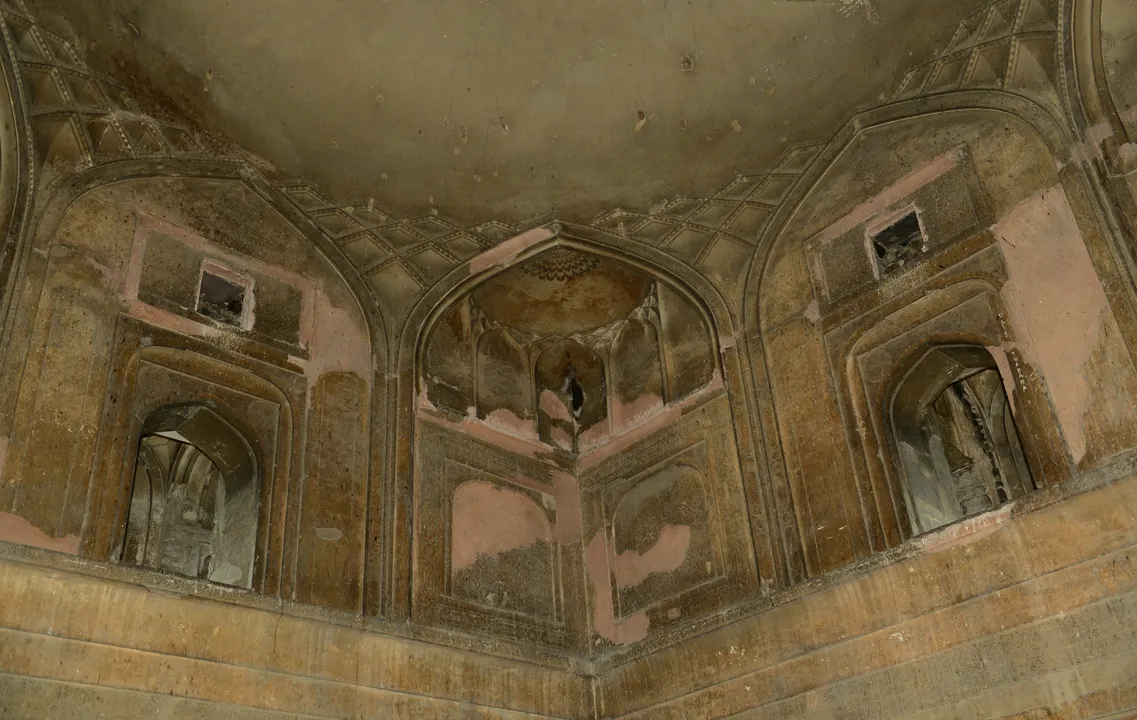
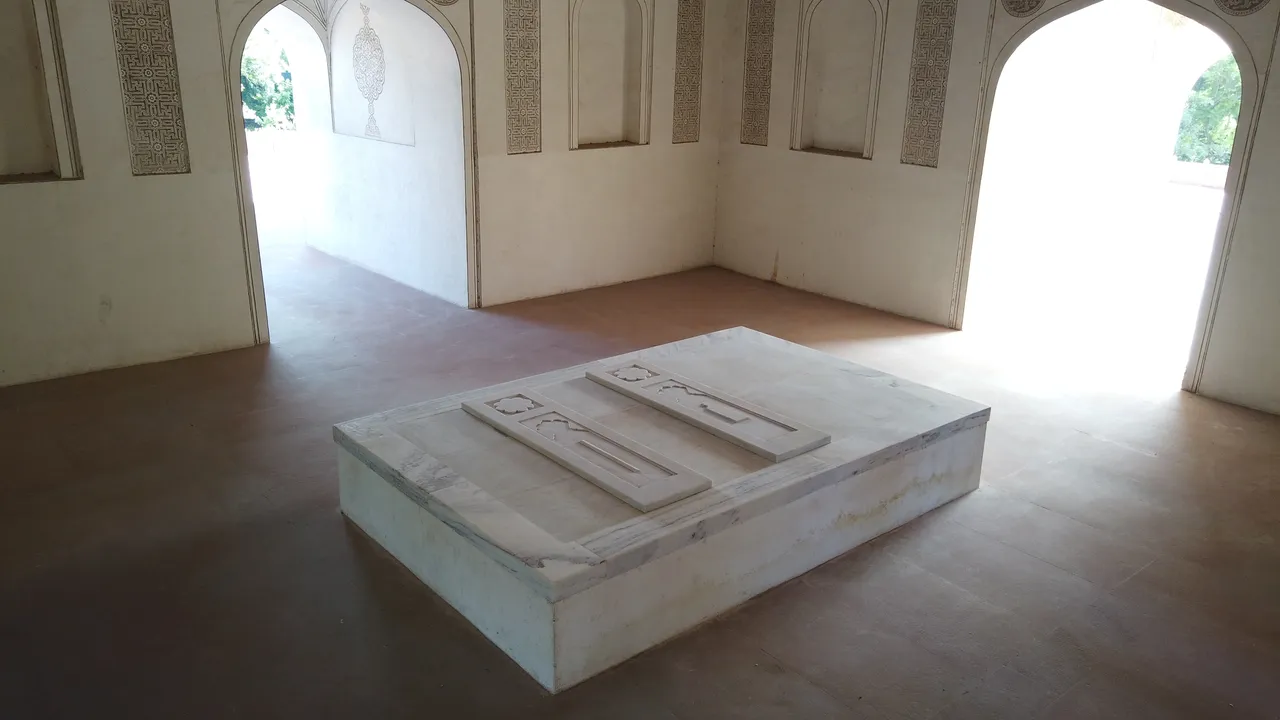
4. Principal Chamber of the Mausoleum
Built directly above the burial chamber on the ground floor, the principal hall would have had two
cenotaphs—
one for Rahim and another for his wife, for whom the mausoleum was constructed.
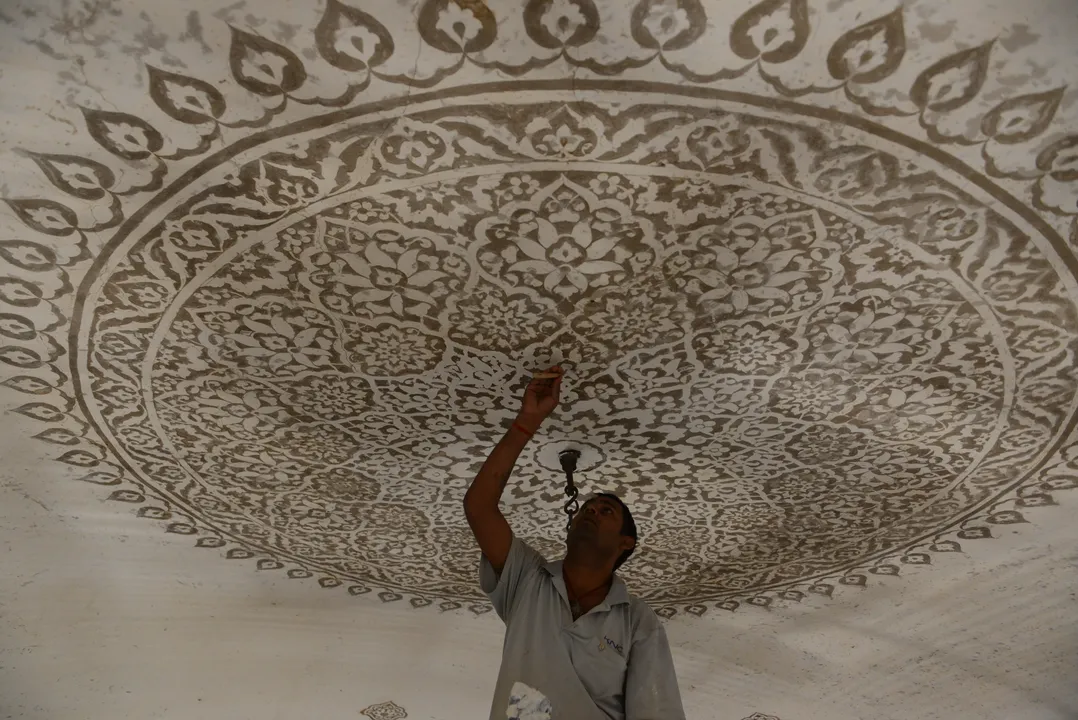
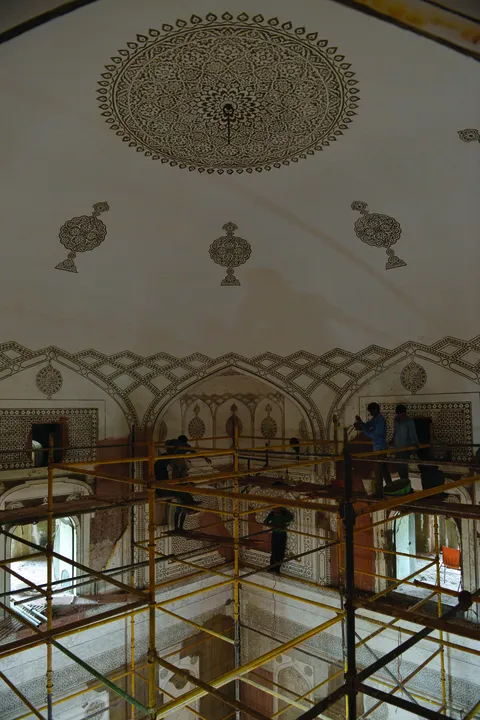
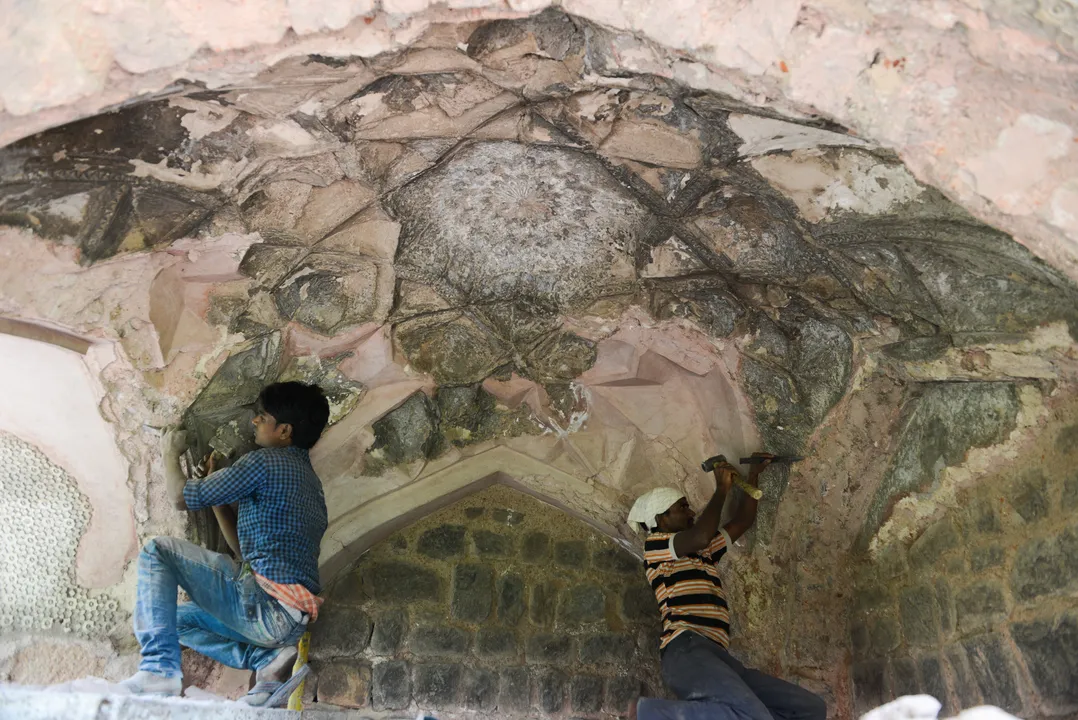
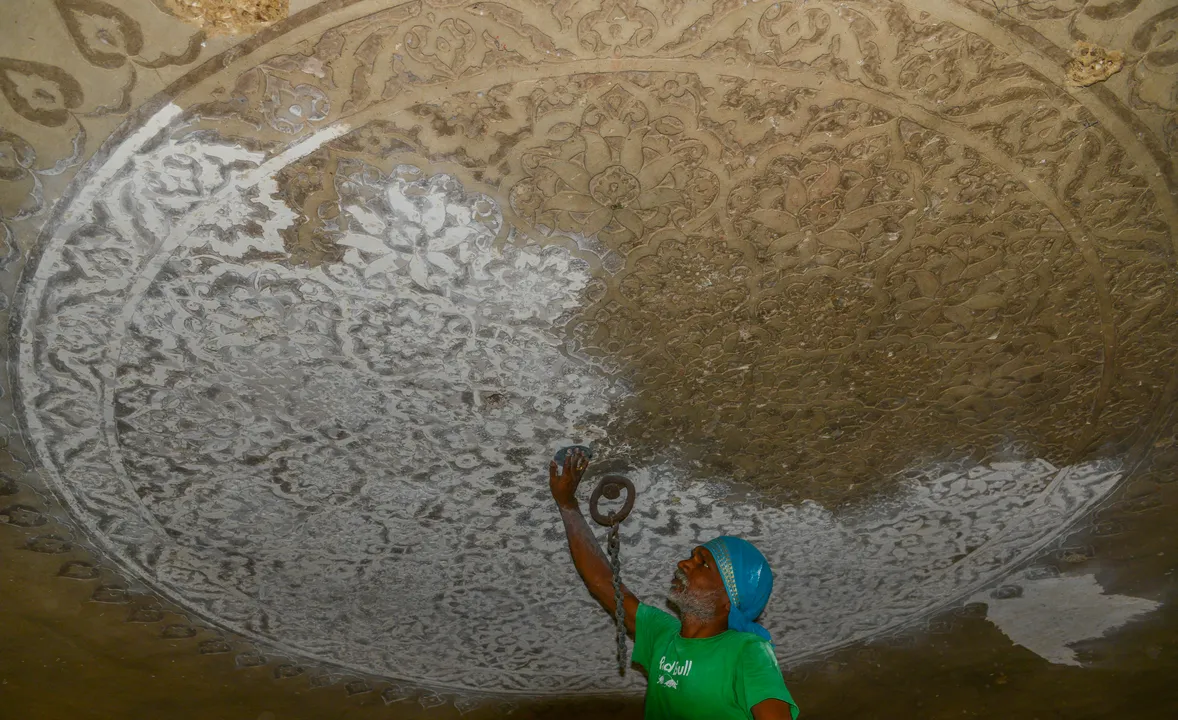
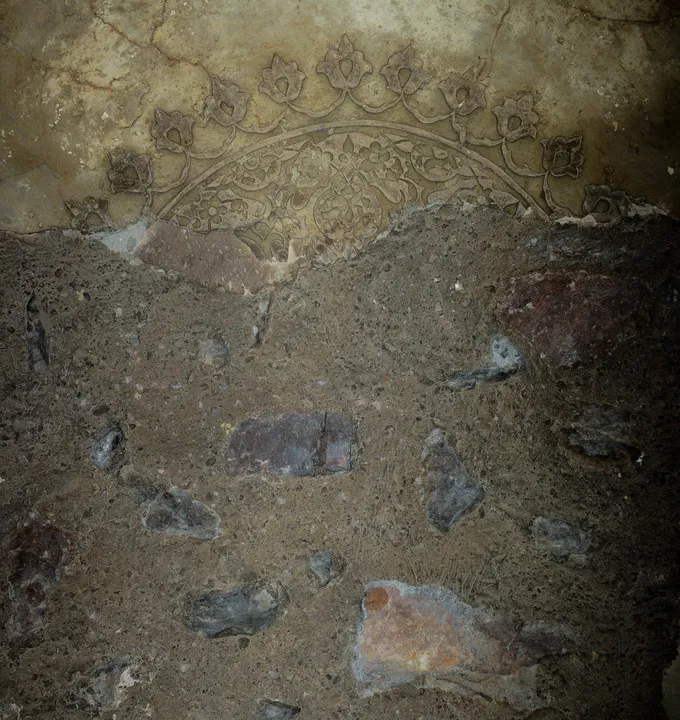
Careful cleaning of this chamber revealed intricate patterns. Where patterns were disfigured by
cement-surkhi
plaster, they have been carefully restored.
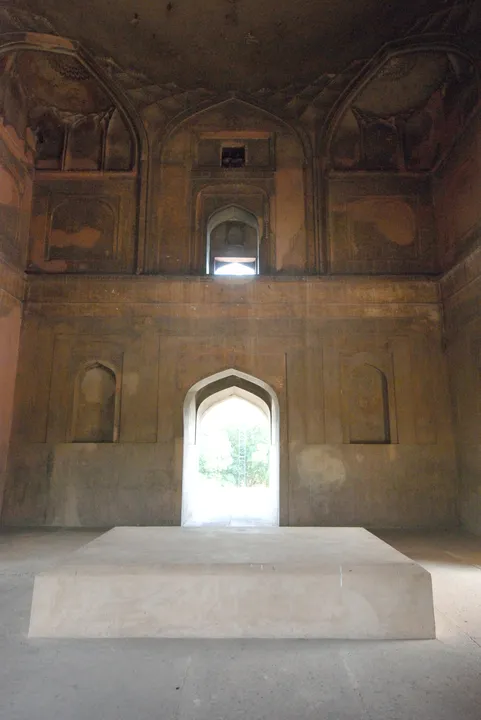
To render dignity to the burial space and the personage buried here, a simple cenotaph has been
constructed
in lieu of the missing original cenotaphs.
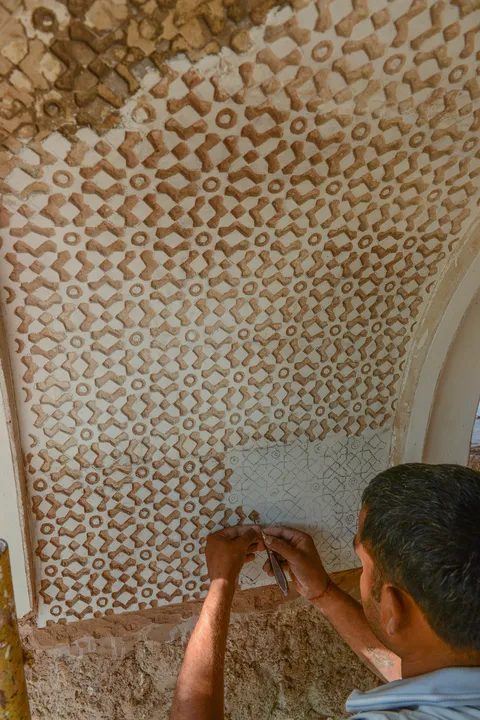
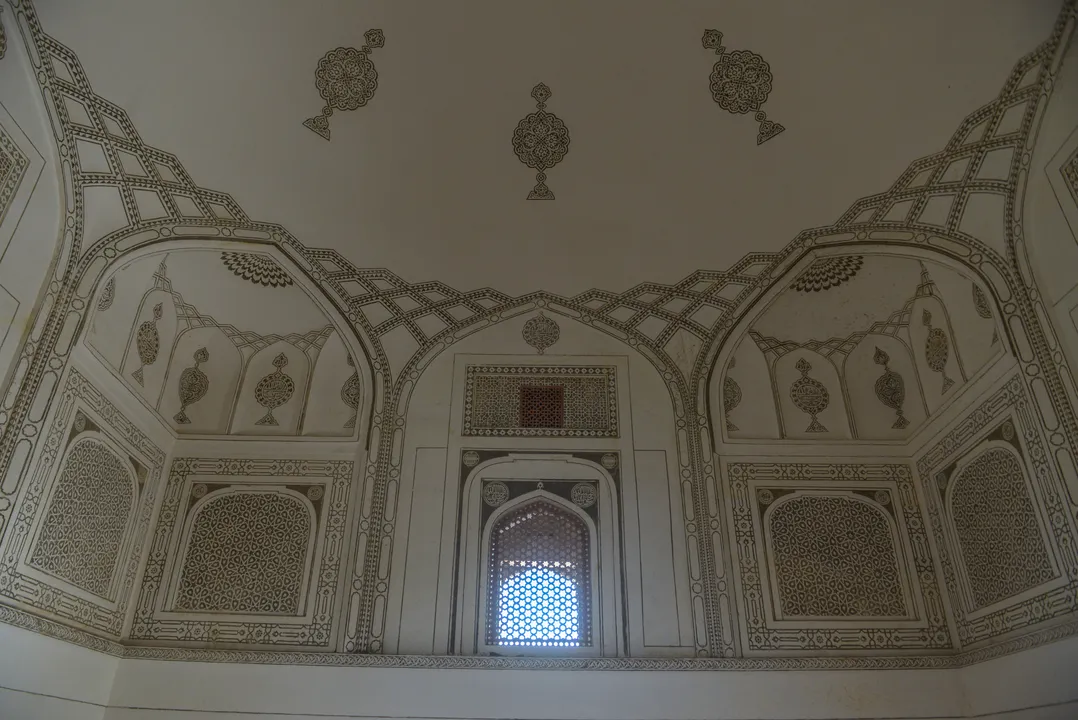
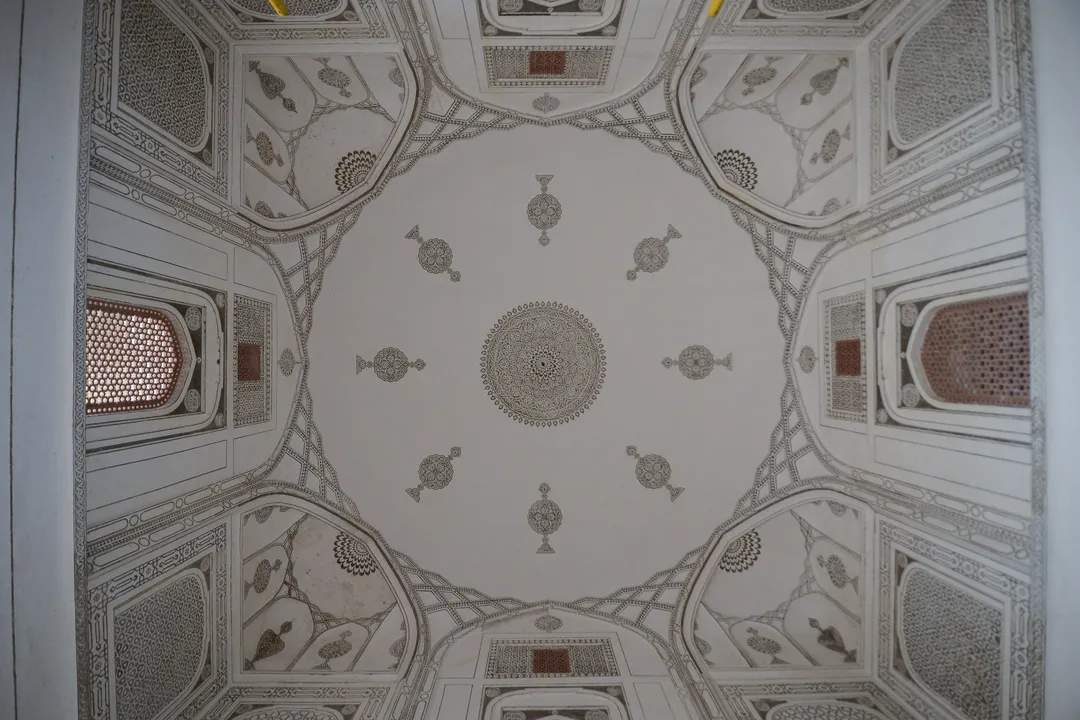
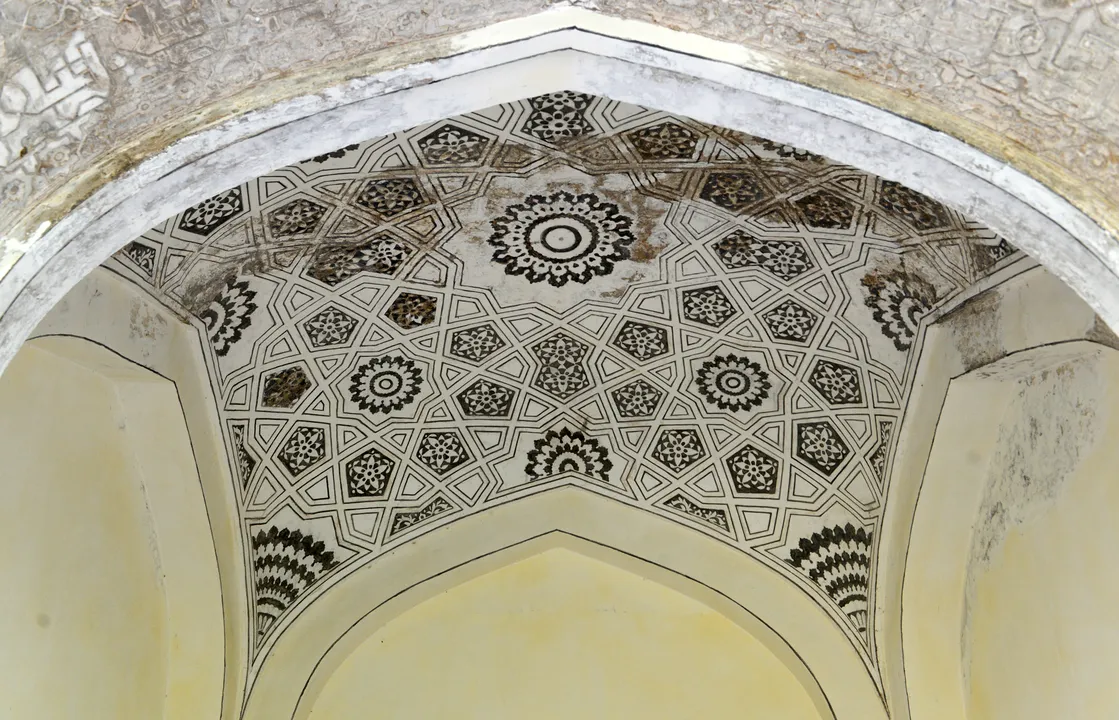
5. Ancillary Chambers
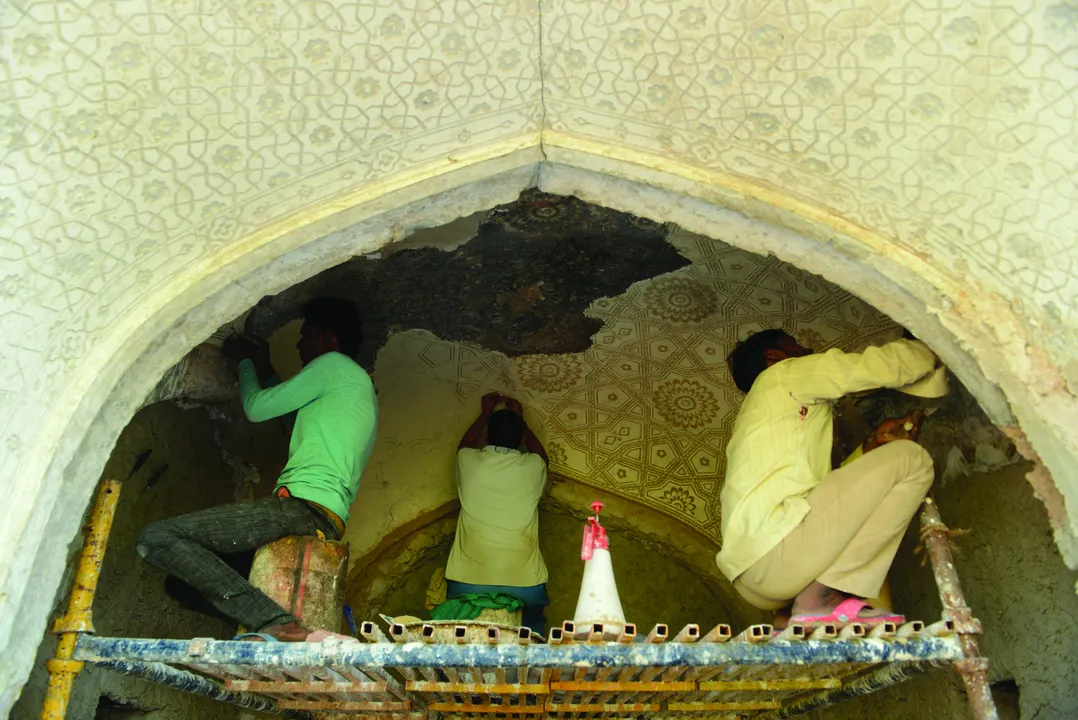
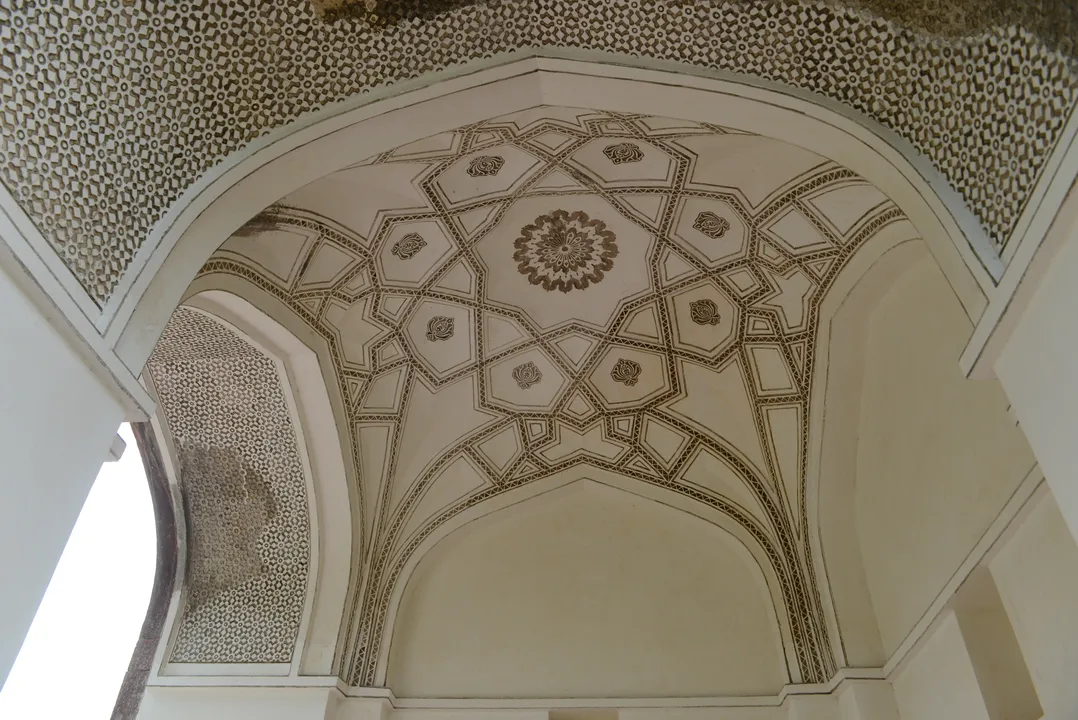
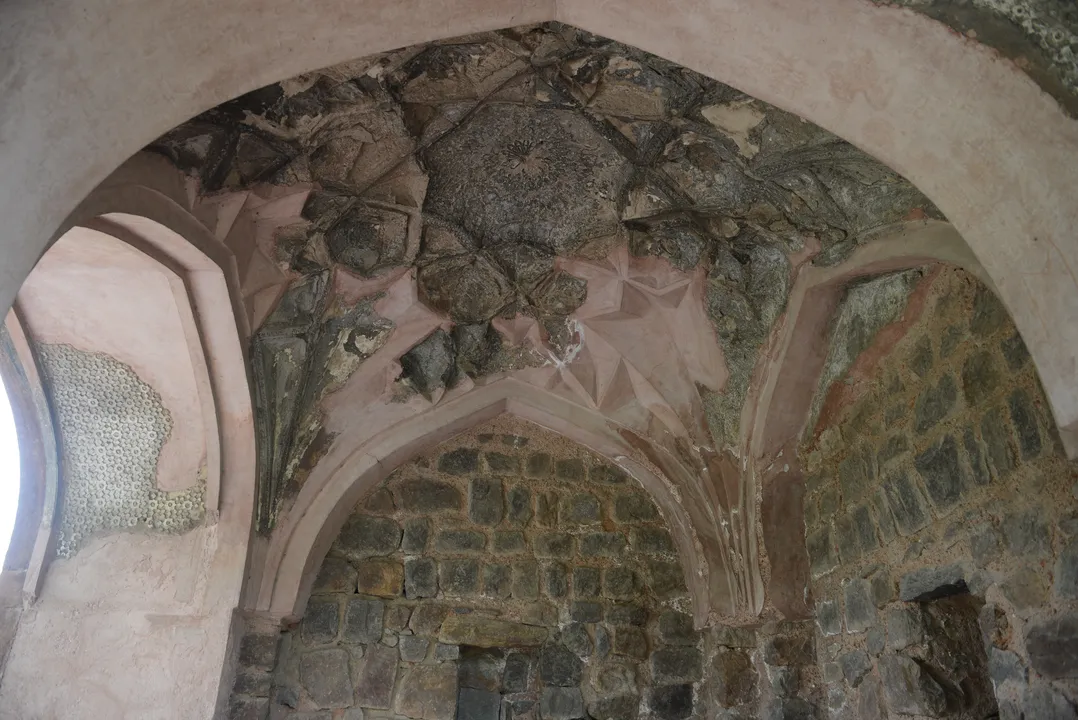
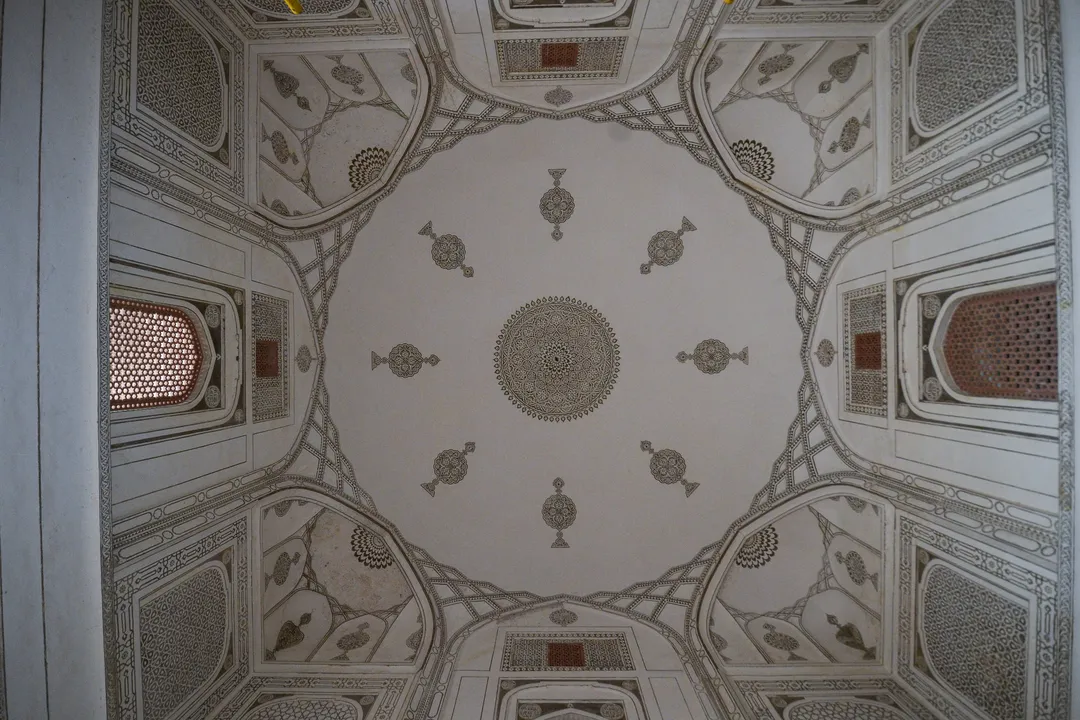
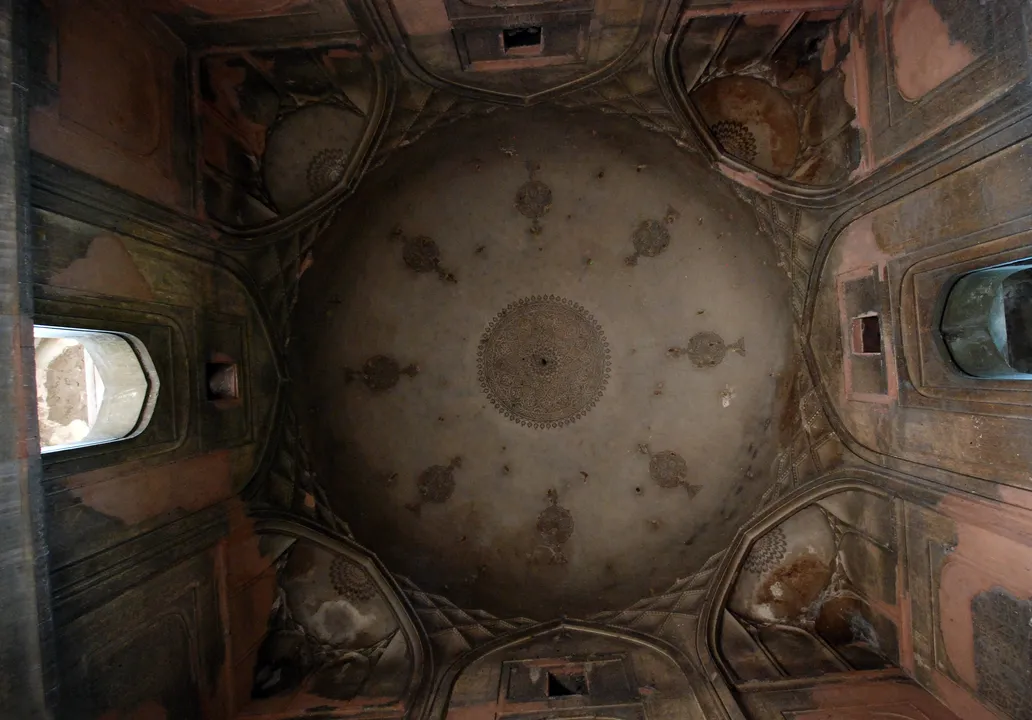
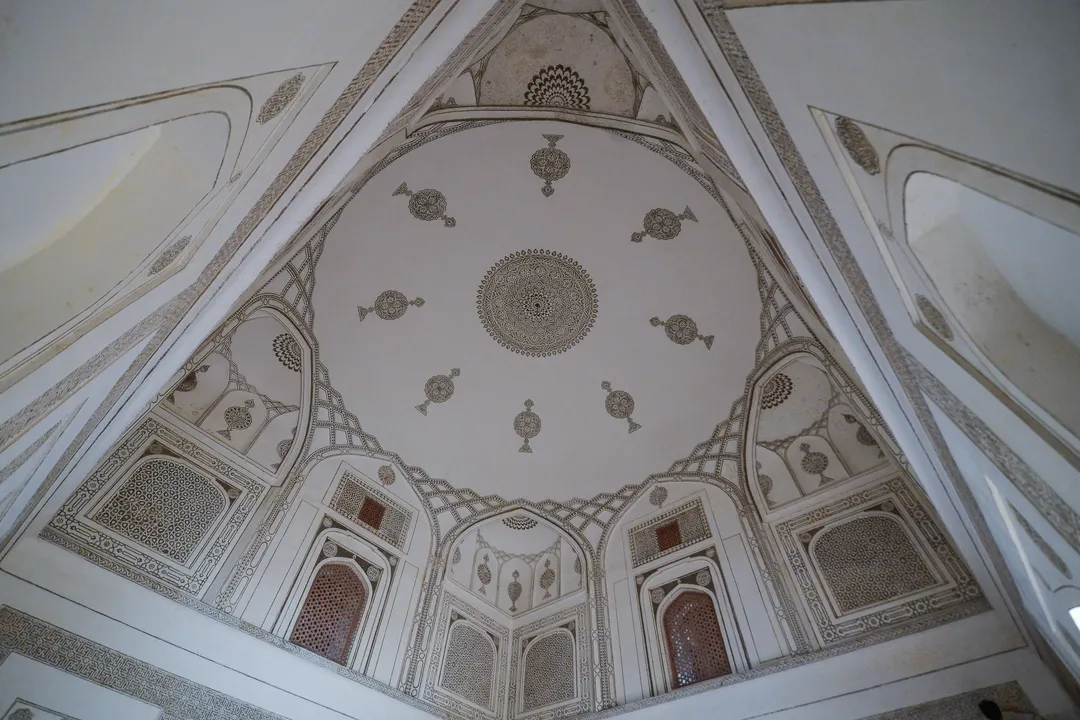
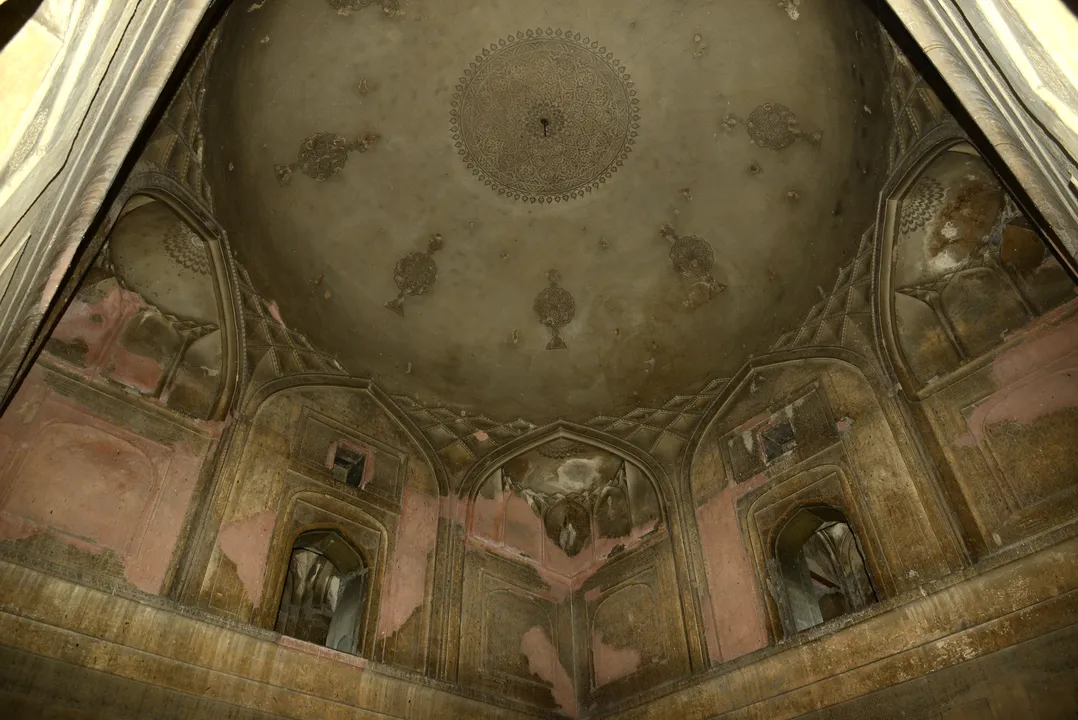
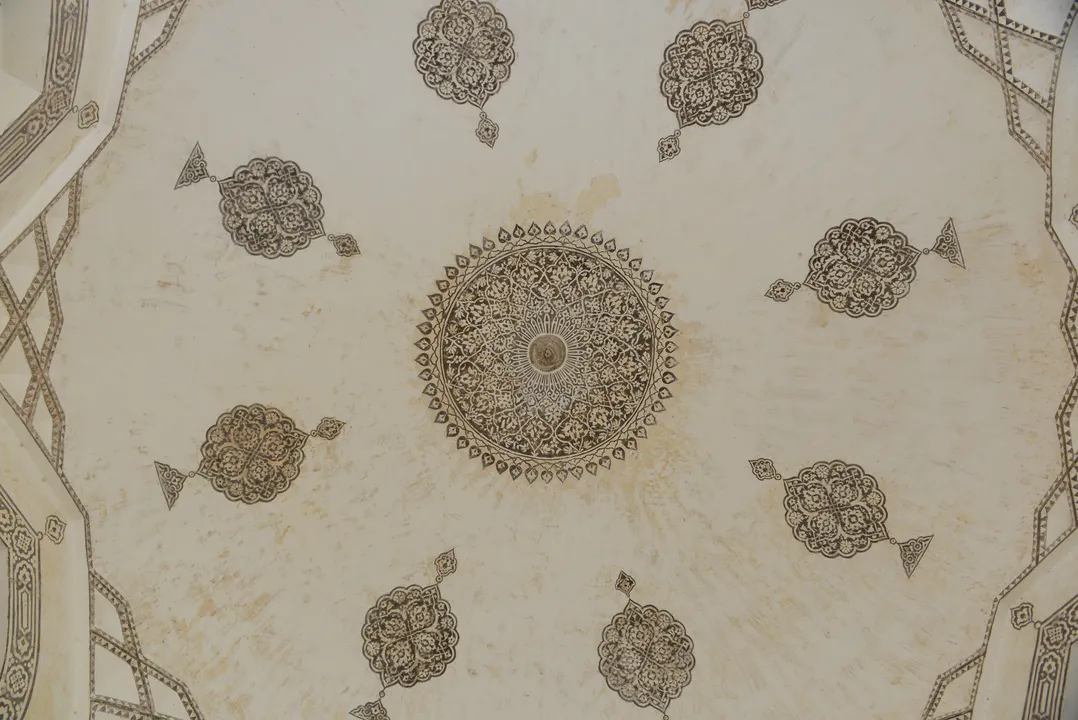
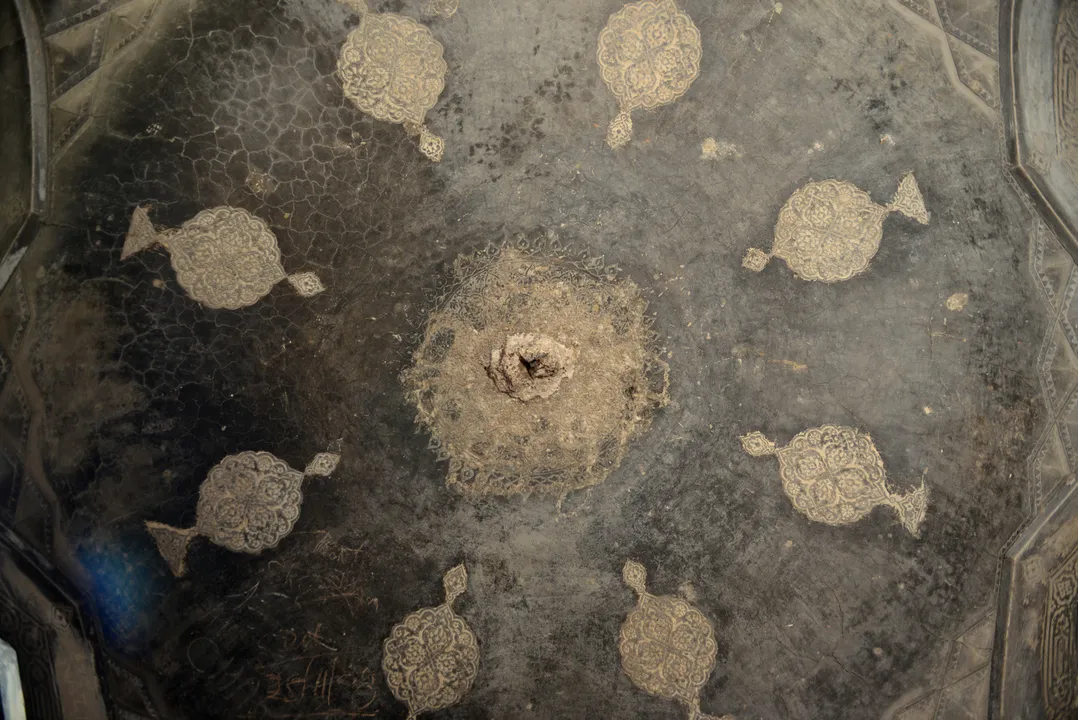
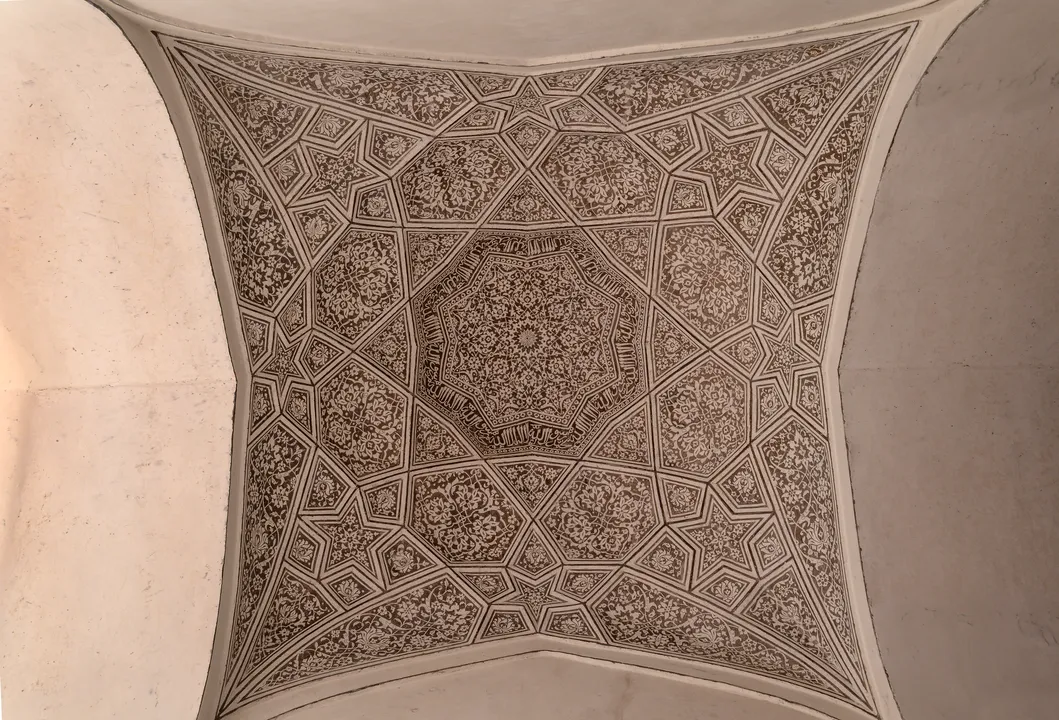
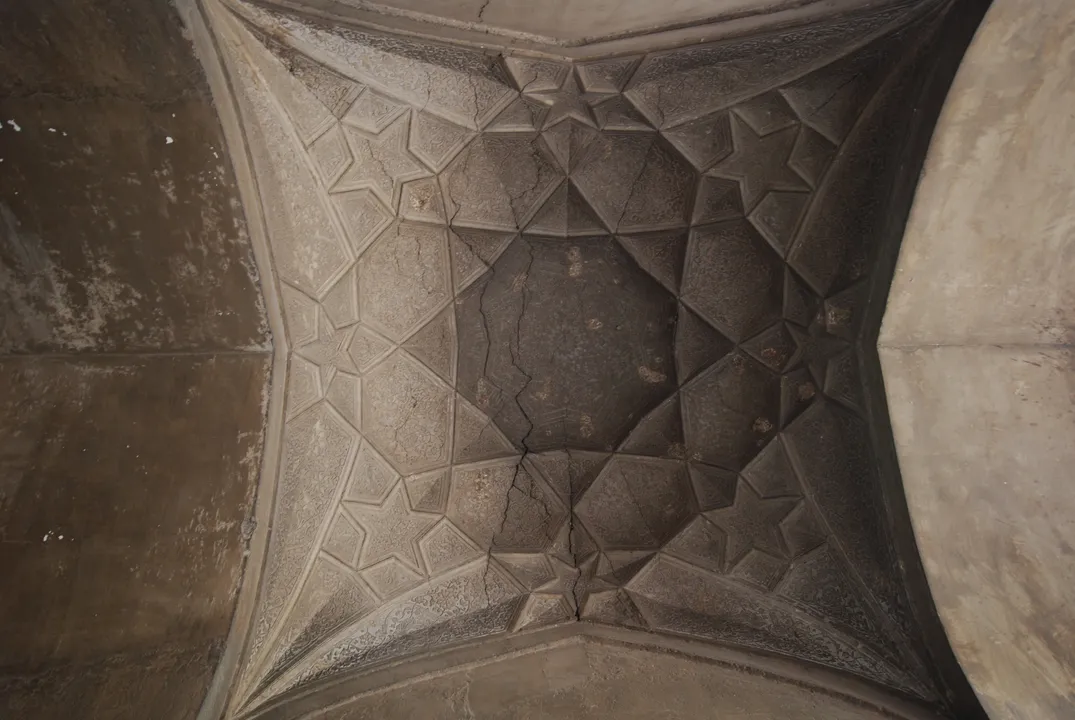
On the four corners of the principal tomb chamber stand the domed ancillary chambers, profusely
decorated
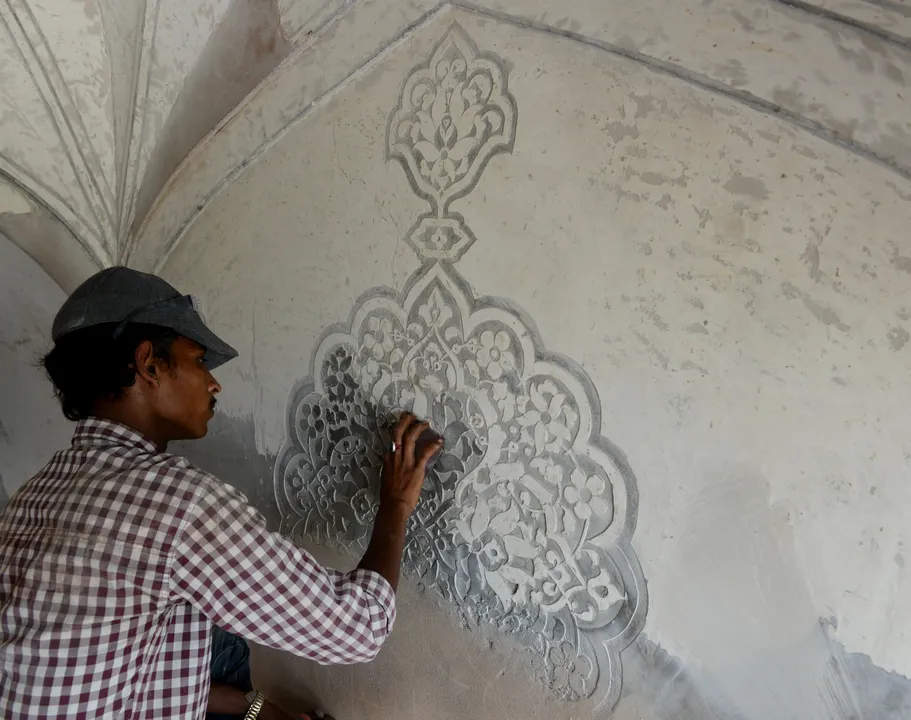
using incised plasterwork.
Cement-based repairs have been carefully replaced with traditional lime mortar, and wherever
original
decorative patterns could be deciphered, they have been restored.
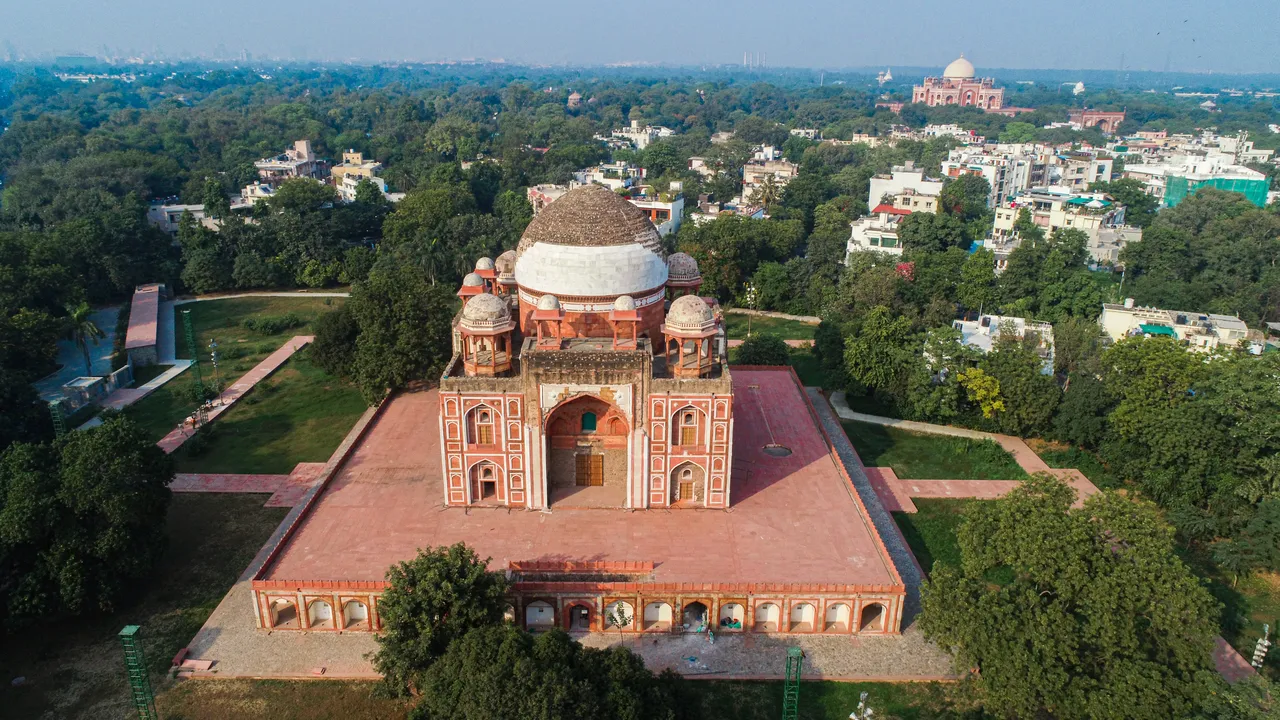
6. Upper Plinth
The vast terrace at this level would have originally overlooked the river on the south, with
fountains
and
water tanks overlooking the gardens. A large foliated tank in the north still exists, with smaller
rectangular and octagonal tanks on the other sides.
Red sandstone flooring has been restored to the terrace, and a sandstone parapet provided all around
as
an important safety measure.
7. Structural Stabilization
The center of the southern arcade leads to the domed grave chamber, supported on columns with a
circumambulatory passage around it.
Structural analysis was followed by emergency stabilization using traditional quartzite masonry
repairs
carried out in a systematic manner. The corners of the lower arcade were also strengthened using
Delhi
quartzite stone pillars as per original details.
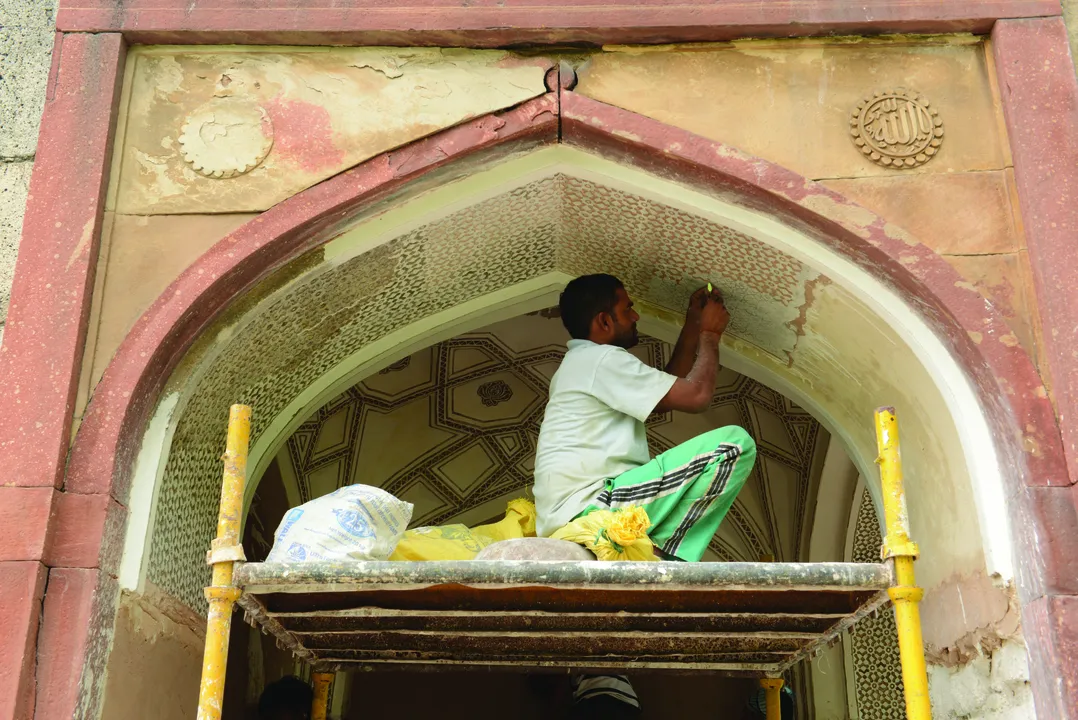
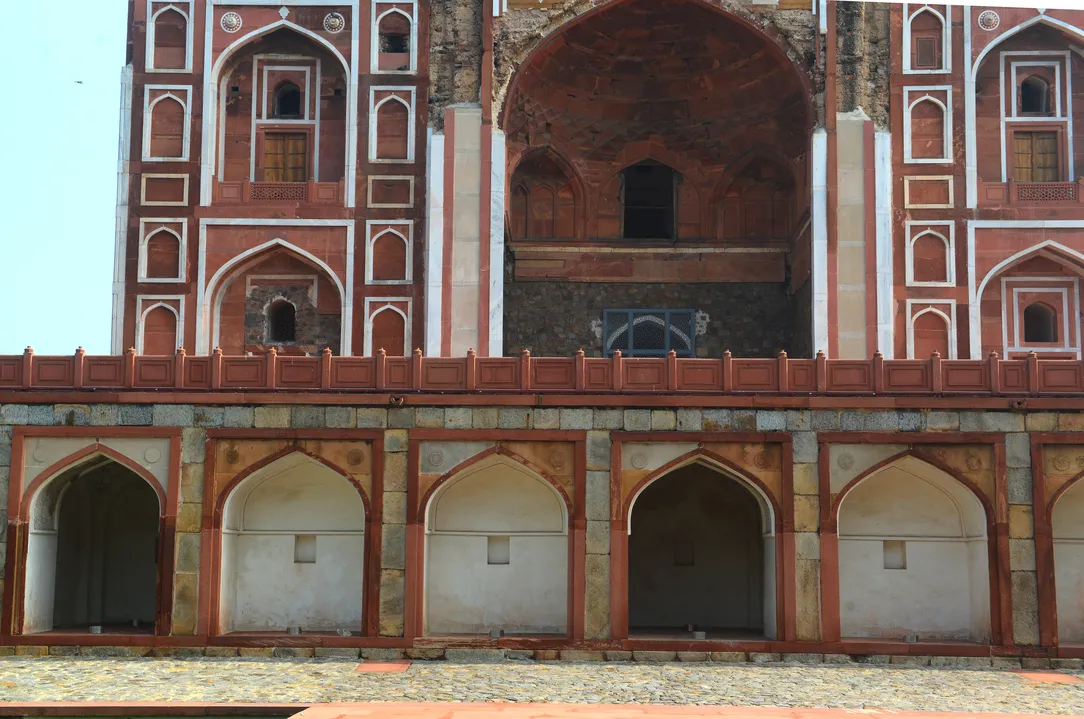
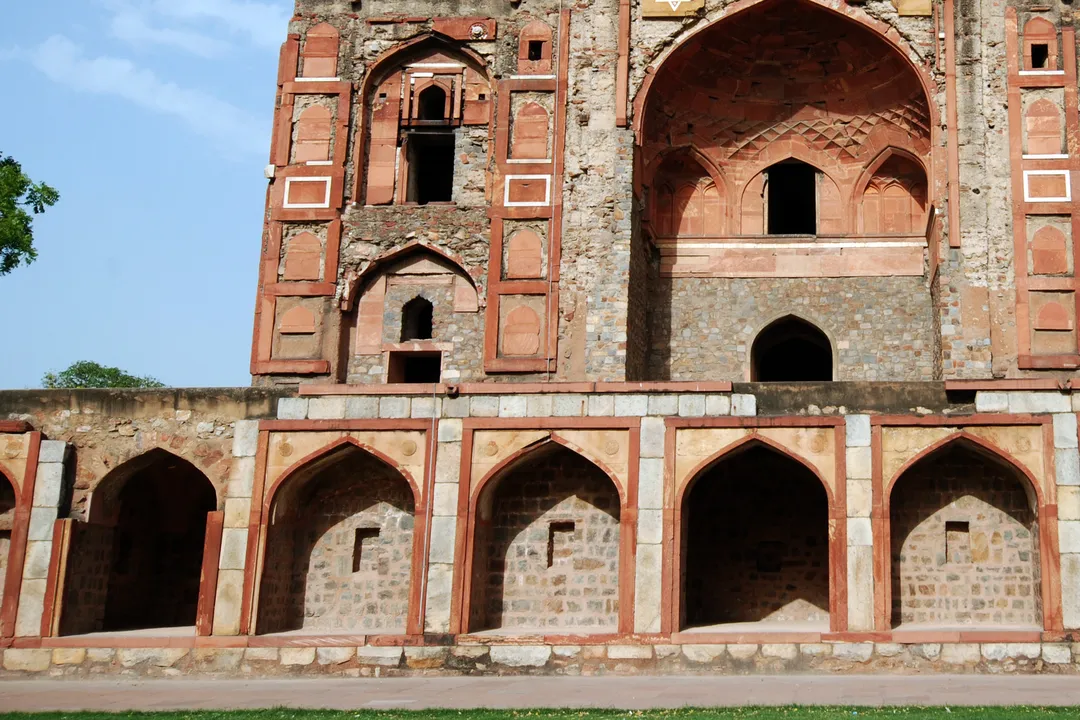
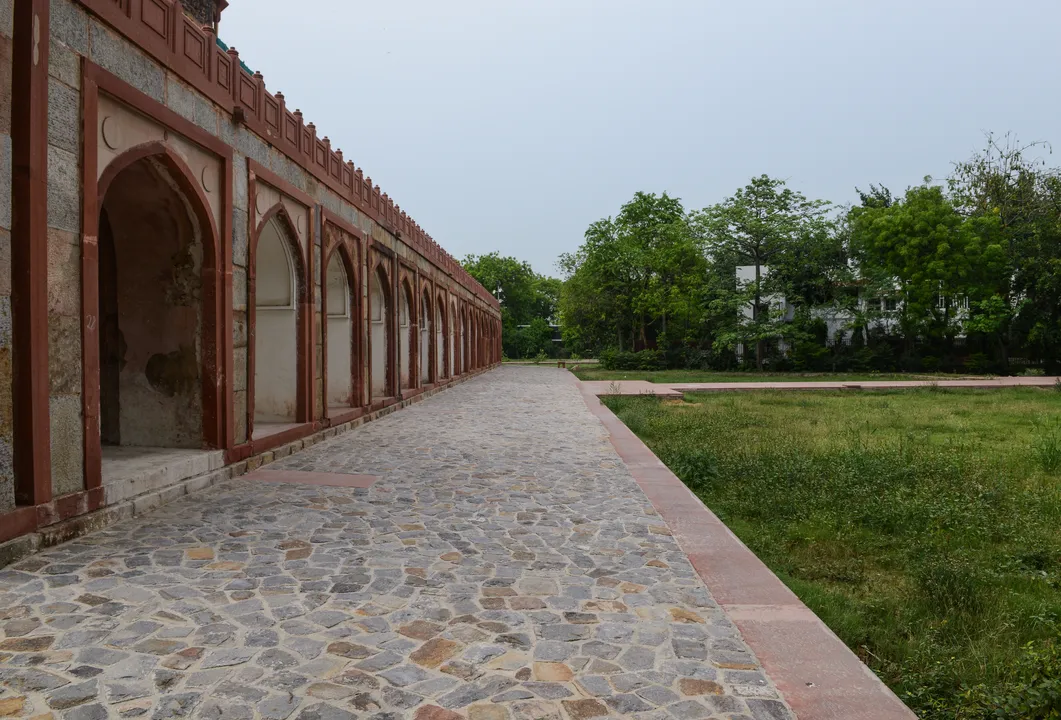
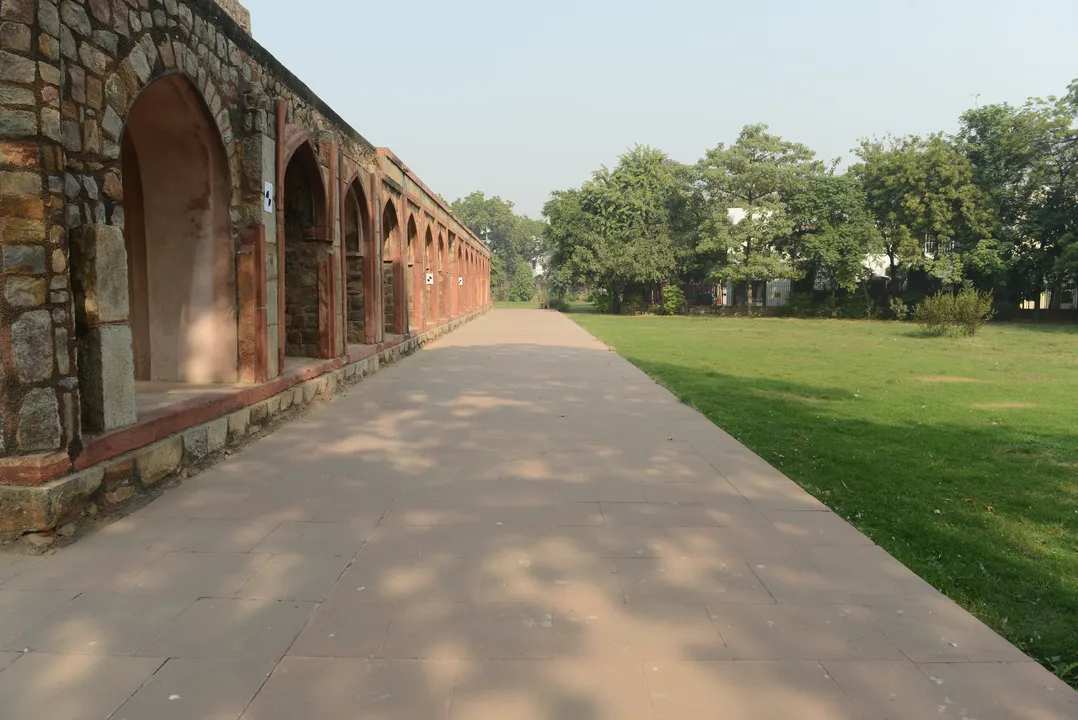
8. Lower Arcade
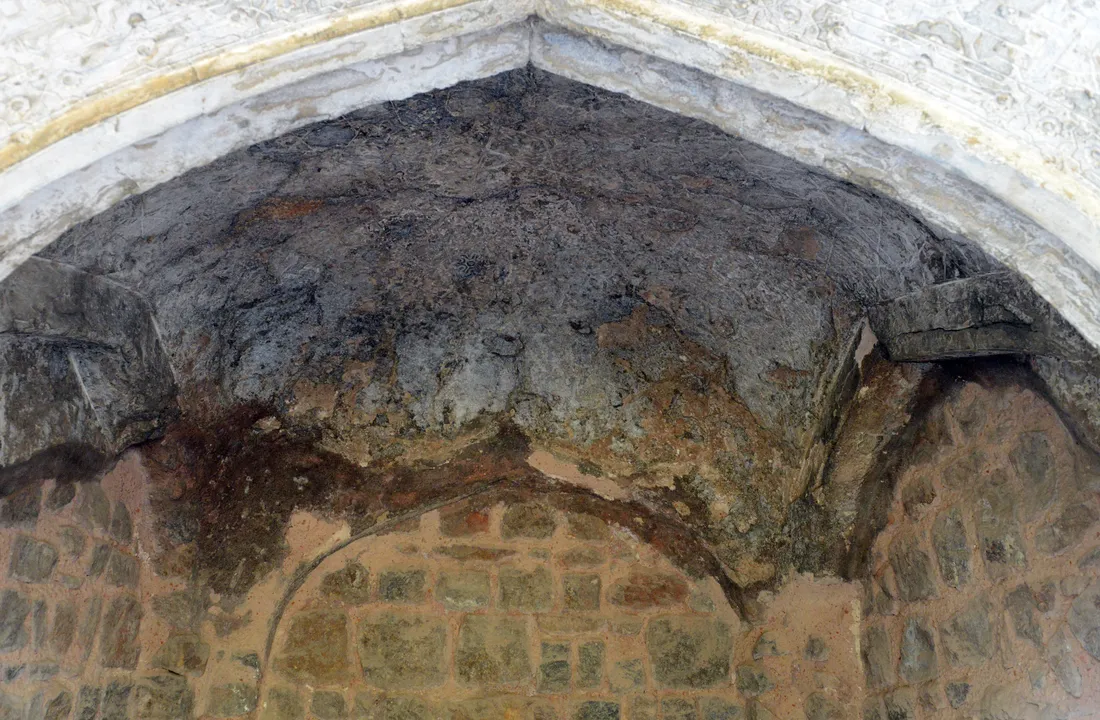
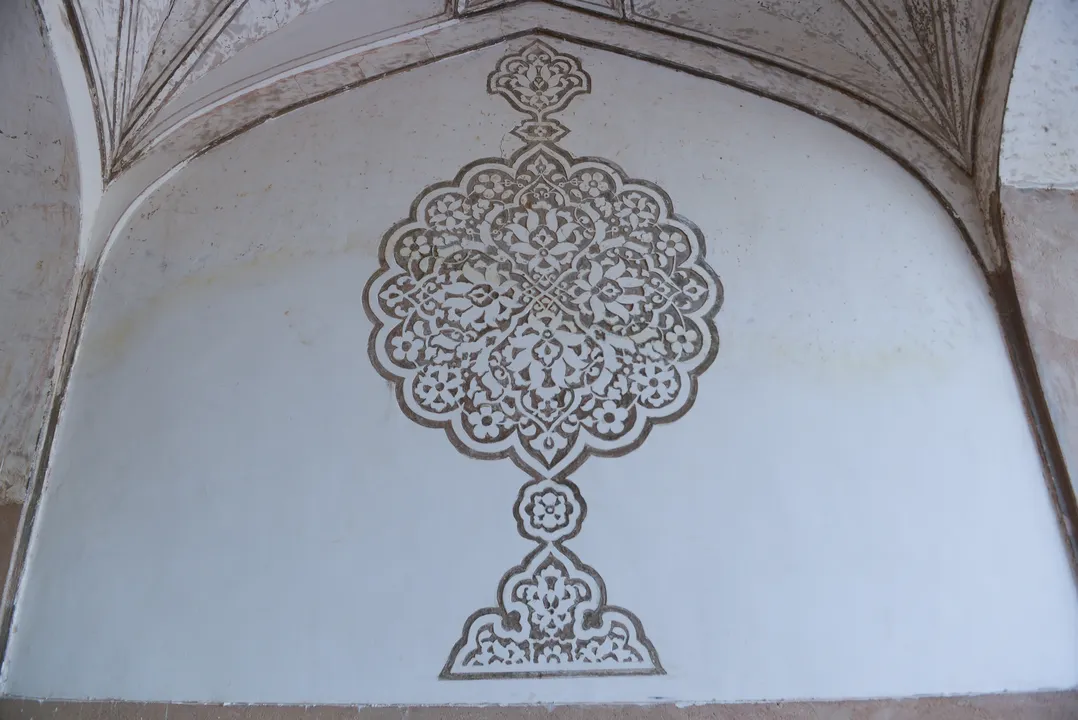
Three deep chambers corresponding to the location of the crypts and the corner chambers of the lower
arcade
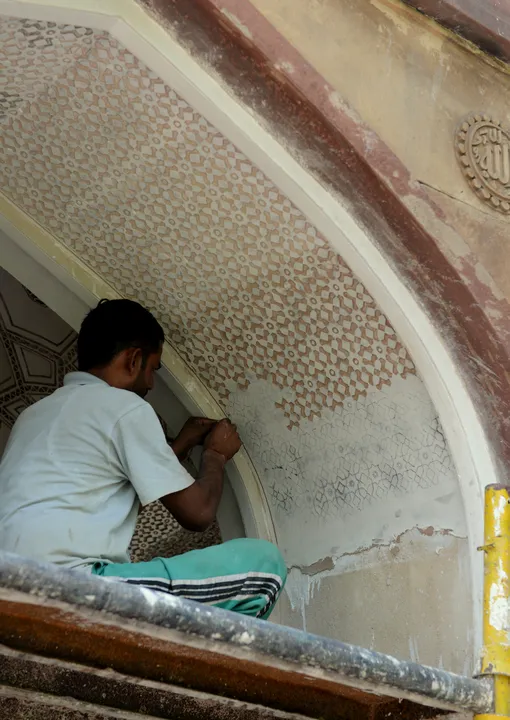
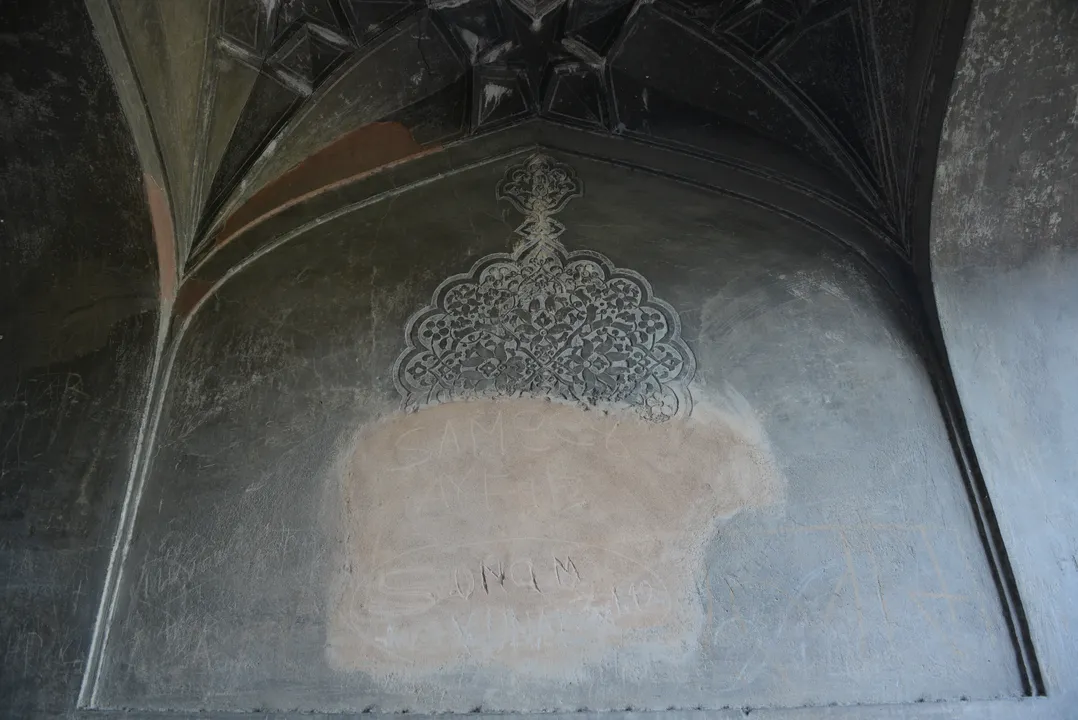
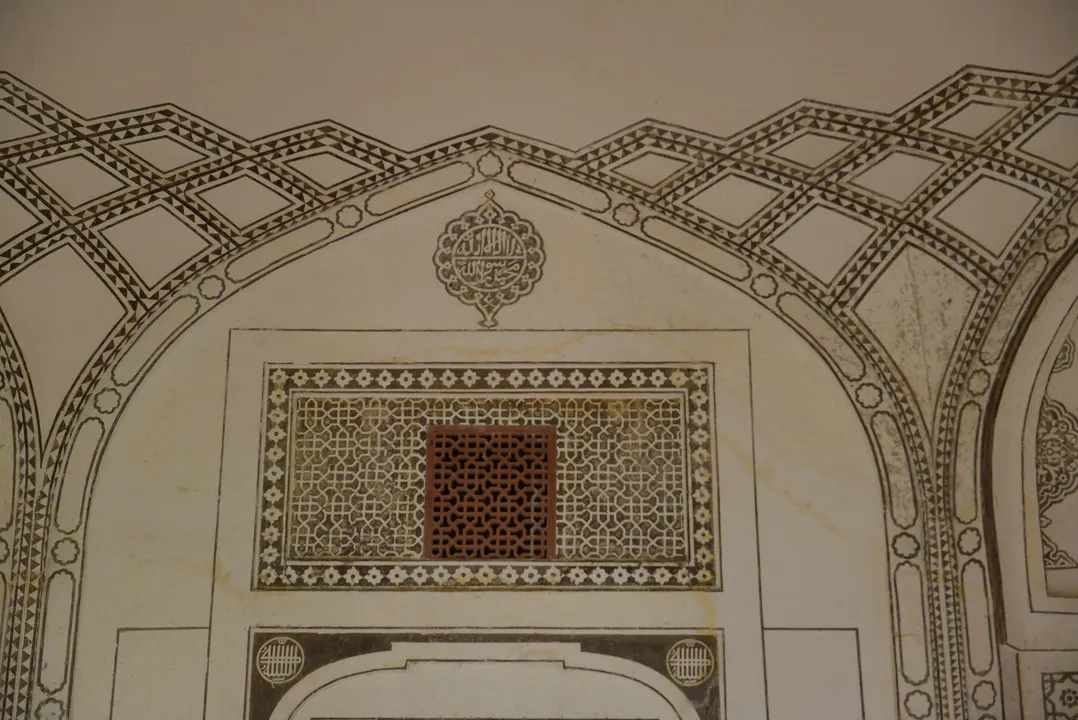
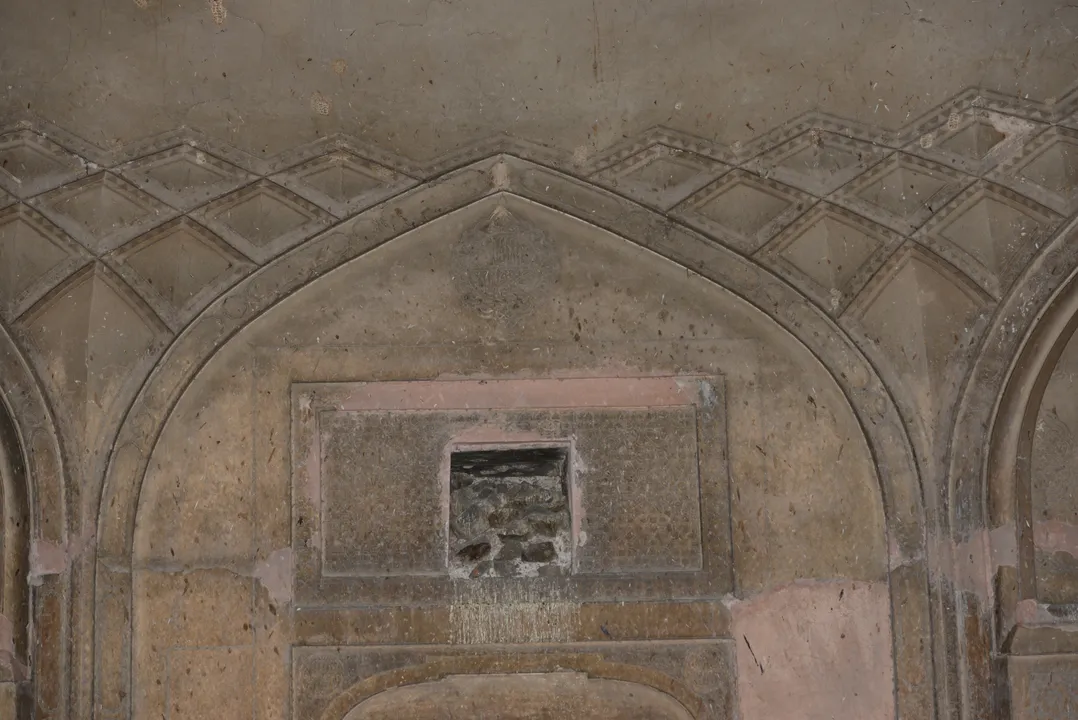
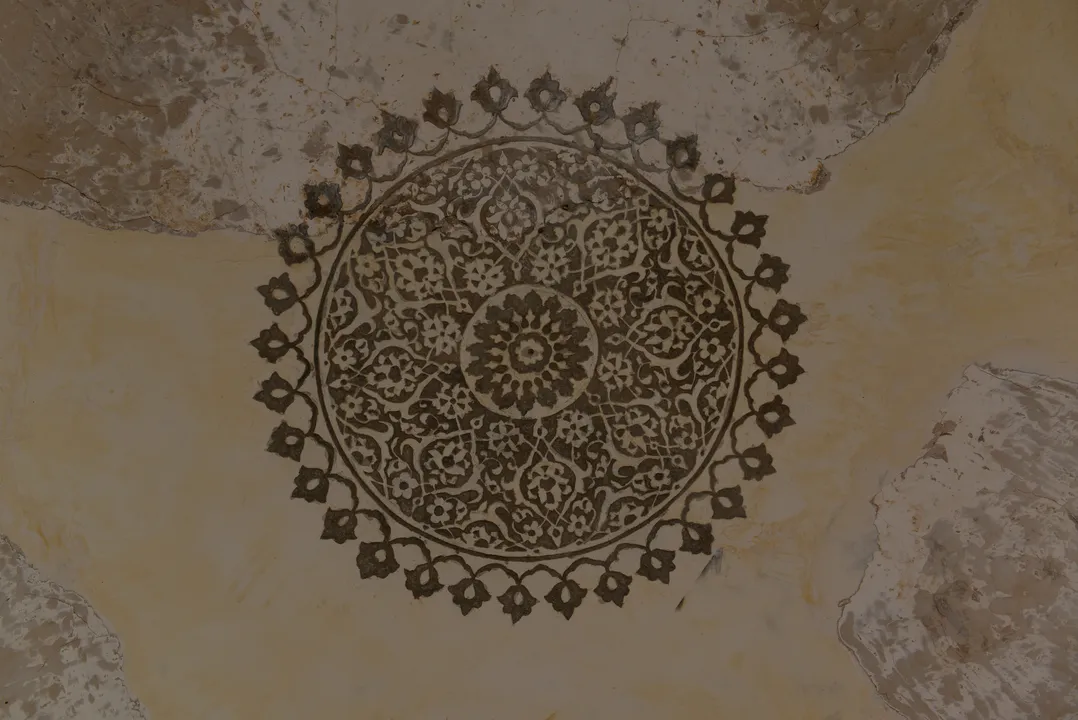
are decorated with incised plasterwork. All chambers feature unique decorative patterns.
The spandrels of the arches are adorned with circular medallions, each unique in design, including
inscriptions, geometric and floral patterns, and even peacocks.
Traditional lime-based repairs were carried out by master craftsmen, restoring decorative
plasterwork
where
evidence of original patterns was found.
.webp)
.webp.nu)